

Table of Contents
Quick summary
When med spa operations break down, practitioners lose visibility and control. Med spa software restores structure by unifying scheduling, records, and communication. Check out the 12 best med spa software for solo practitioners in 2026, including PatientNow that supports confident, controlled operations.
Independent MedSpa practices need more than booking software
Running a solo practice requires precision. When appointment scheduling, payments, and treatment workflows rely on disconnected or inefficient systems, attention shifts away from patient care and toward managing tools.
Effective solo practices need software designed for their real clinical and operational workflows. This article reviews the 12 best medspa software for solo practitioners in 2026, built to help independent practitioners streamline patient intake, protect care quality, and scale with confidence.
Why listen to us?
PatientNow has supported aesthetic practices for over 20 years with clinical-grade software built for real operational demands. Trusted by more than 5,000 locations worldwide, our unified platform brings EMR, CRM, marketing, and patient engagement into one connected system.
Recognized as a leading med spa solution for solo practitioners, it replaces multiple tools with automation, built-in marketing, and compliance-ready clinical features designed specifically for aesthetics. This experience and specialization give us deep insight into what solo providers need to grow efficiently, retain patients, and stay profitable.

What is MedSpa software?
MedSpa software is a system used by practitioners to manage both care and operations in one place. It brings together patient records, scheduling, payments, communication, and follow-ups, keeping day-to-day workflows consistent and easier to manage.
As a medspa grows, clinical work often stays the same while operational demands increase. Managing appointments, payments, reminders, and compliance begins to compete with patient care. For solo practitioners, this pressure is greater, and without the right systems, operations can quickly become overwhelming.
MedSpa software centralizes responsibilities, from booking to patient engagement and marketing, into a single platform. By reducing manual work and keeping information connected, these systems help solo practices maintain clinical standards, retain customers, and grow without losing control.
The 12 best MedSpa software for solo practitioners in 2026
Here are the 12 best MedSpa software for solo practitioners in 2026, each with features designed to drive revenue.
| # | Tool | Key features | Good Fit For |
| 1 | PatientNow | Seamless online booking, clinical-grade EMR, integrated practice management, marketing automation, KPI dashboards | Solo practitioners who need an all-in-one practice management system |
| 2 | Meevo | Client success manager, clinical documentation, basic CRM | Beauty and wellness clinics |
| 3 | Noterro | Digital SOAP notes, streamlined appointment management | Solo clinics with straightforward workflows |
| 4 | Medesk | Consultation form templates, strong reporting tools, billing | Independent specialists |
| 5 | SimplePractice | Secure telehealth access, customizable documentation, billing | Mental health and wellness professionals |
| 6 | PortraitCare | Integrated APIs, compliance management, basic CRM | Small aesthetic and wellness practices |
| 7 | Pabau | Prebuilt reporting templates, strong data protection, CRM scheduling | Aesthetic clinics and medspas |
| 8 | MindBody | Comprehensive scheduling system, branded mobile applications, payments | Wellness, fitness and beauty clinics |
| 9 | SetMore | Displayed reviews, self-booking page, basic calendar management | Solo medspa practitioners with simple scheduling needs |
| 10 | ClinicSense | Wellness check-ins, treatment packages, billing | Health and wellness clinics |
| 11 | OptiMantra | Electronic prescriptions, customized charting | Small Independent medical practices |
| 12 | Calendly | Customized locations, recorded meetings, basic bookings | Small businesses needing scheduling only |
1. PatientNow
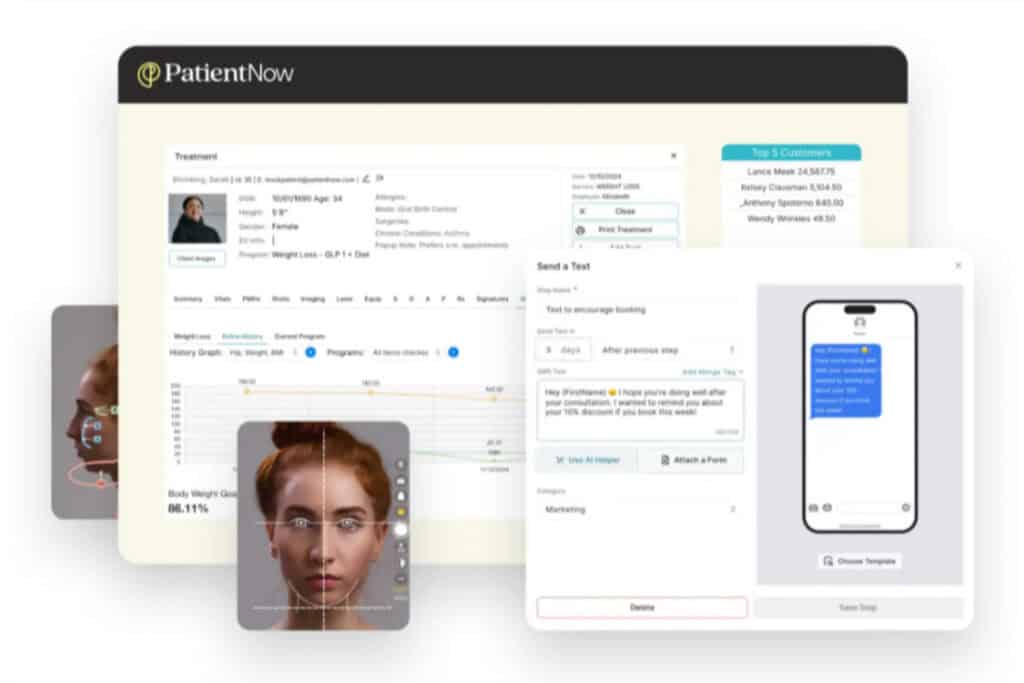
First is PatientNow, the best medspa software for solo practitioners in 2026. Built for aesthetics, wellness, and medical practices, PatientNow provides clear visibility across clinical care and daily operations by unifying EMR, scheduling, payments, marketing, and patient engagement in one system.
It supports the full operational scope of a growing practice. The platform is well-suited for solo practitioners who have outgrown basic booking tools and need an infrastructure that scales without disrupting the quality of care.
Key features
- Seamless Online Booking: Provides website-embedded booking and multi-service appointments.
- Clinical-Grade EMR: Charting meets HIPAA compliance standards and supports treatment notes, injection tracking, and weight-loss monitoring, with telehealth and lab integrations built in.
- Integrated Practice Management: Provides user permissions, employee goals/tracking, KPI dashboards, inventory management, and marketing tools.
- Patient Engagement: Uses two-way SMS, automated reminders, recall campaigns, memberships, and a patient mobile app to support consistent follow-through and patient retention.
Pros
- Comprehensive aesthetic tools.
- Flexible customization options.
- Strong 2-way integrated marketing.
- Improved practice management.
- Surgical and non-surgical workflow support.
- Advanced photo management.
Cons
- The breadth of features may require onboarding time for solo practitioners transitioning from simpler tools.
2. Meevo
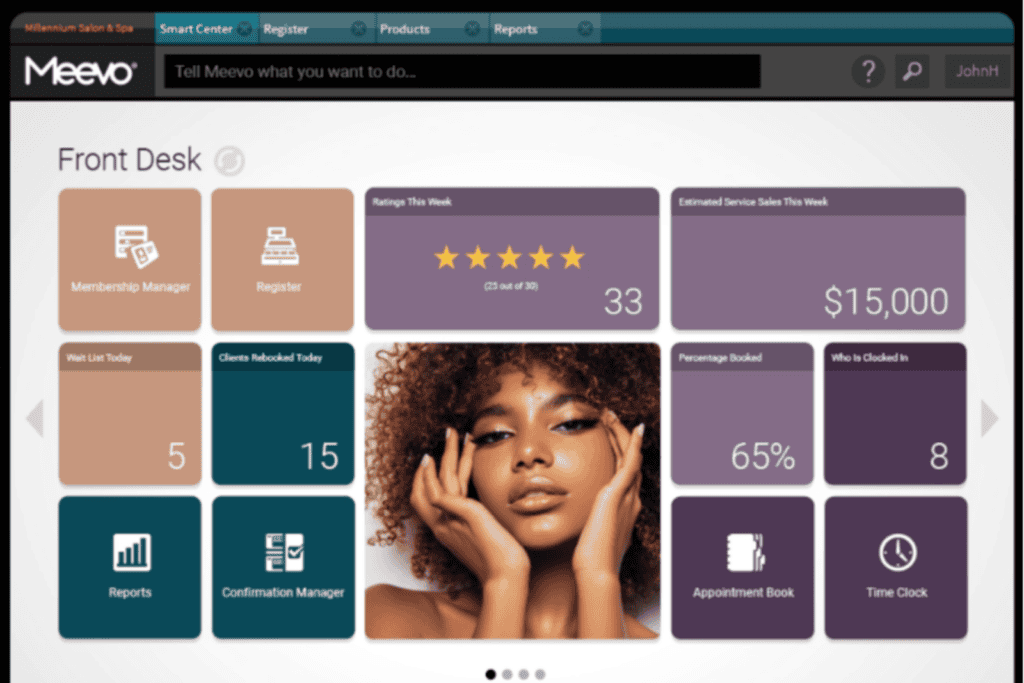
Meevo is a MedSpa practice management software that uses data and AI to support routine operations and client interactions. It combines charting, marketing, booking, and business management in one system for salons, spas, and med spas. While its clinical documentation templates and automated reminders make it a robust business management tool, its web-based setup can sometimes result in slower performance.
Key features
- Client Success Manager: Access to a medspa software expert to optimize client experience on the platform.
- Clinical documentation: Collects client data effortlessly with customizable templates for intake and consent forms.
- Operational Tools: Online booking, automated reminders, marketing campaigns, inventory tracking, and centralized data management for single- and multi-location businesses.
Pros
- Structured onboarding and support resources are available.
- Cloud access and automation tools for marketing and booking.
- Customizable forms and documentation features.
- Broad operational capabilities within one platform
Cons
- Frequent glitches.
- Limited reporting tools.
- Learning curve required.
- Greater customization and feature refinement in certain areas is required.
- Complicated setup process for solo practitioners.
- Integration inconsistencies with external tools or workflows.
3. Noterro
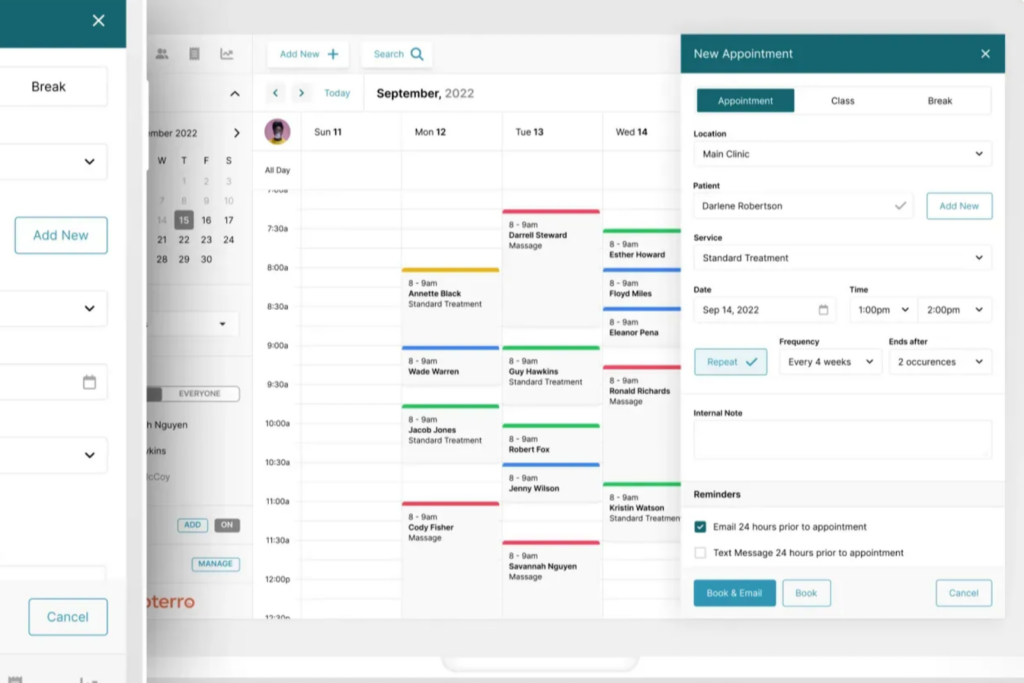
Noterro is a cloud-based practice management software with features to help solo practitioners automate their daily administrative tasks and improve profitability. While it supports core clinical tasks, Noterro is best suited for practices with straightforward workflows. The platform supports digital SOAP notes, appointment management, online booking, and billing features, and runs entirely through a browser without requiring local installation.
Key features
- Digital SOAP Notes: Provides users with digital SOAP notes containing diagrams and shortcut inputs.
- Streamlined Appointment Management: Streamlines tools to manage, track, and edit appointments.
Pros
- Efficient paperless workflows, and centralized scheduling/records.
- User-friendly interface.
- Affordable pricing for small businesses.
- Includes billing, charting, and booking tools in one platform.
Cons
- Limited customization and reporting tools.
- Customer support and response delays.
- Transaction management issues.
- Add-ons and additional practitioner seats can increase costs quickly.
- Integration options are relatively limited.
- Lacks depth for complex insurance workflows (particularly U.S. claim processing).
- Certain functionality gaps (e.g., invoicing limitations or missing base-tier features for solo workflows).
4. Medesk
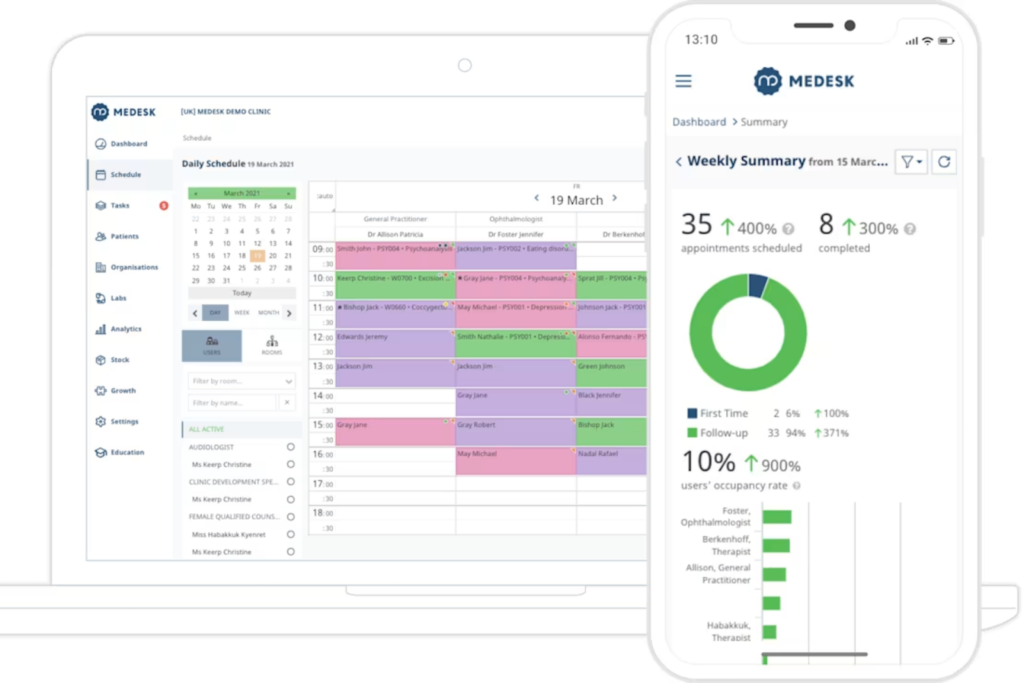
Medesk is a cloud-based platform that combines scheduling, patient records, billing, and communication in one system. It offers online booking, electronic health records, automated reminders, and reporting tools, with templates and integrations for daily practice management.
Key features
- Consultation Form Templates: Allows users to create customized outlines for forms and reports.
- Strong Reporting Tools: Includes an analytics module that also serves as a decision-making tool.
Pros
- Consolidates scheduling, records, billing, and messaging in one platform.
- Accessible pricing entry point for small or individual practices.
- Templates and reporting tools help structure workflows.
- Automated reminders and booking tools support appointment management.
Cons
- Interface usability lags behind competitors.
- Billing reports could be improved.
- Limited customization options.
- Glitches and functionality limitations.
- Slow customer response time.
- Unsuitable for highly specialized aesthetic or med spa requirements.
5. SimplePractice
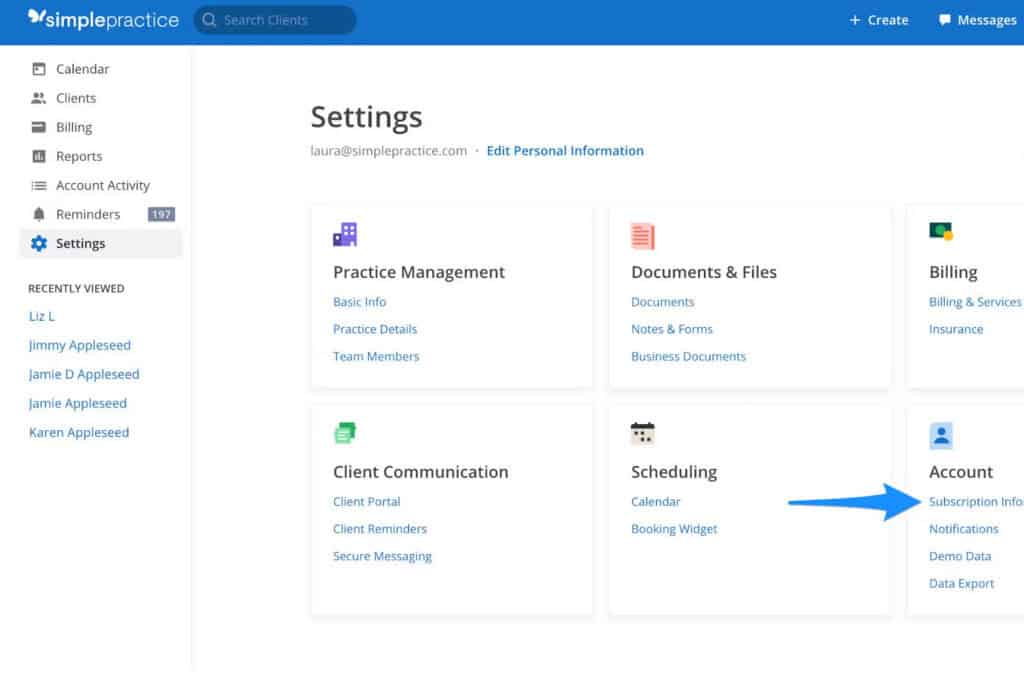
SimplePractice is a practice management platform that integrates scheduling, documentation, billing, and secure telehealth into a single workflow. It is widely used in health and wellness practices and supports HIPAA-compliant virtual consultations, making it suitable for telehealth visits in med spas.
Key features
- Secure Telehealth Access: Provides a secure, HIPAA-compliant telehealth platform that supports credible virtual consultations for med spas.
- Streamlined Documentation: Streamlines clinical documentation processes using customizable forms, treatment plans, and assessments.
- Billing & Invoicing: Supports insurance, self-pay, and automated invoicing.
Pros
- User-friendly interface across multiple devices.
- Multiple device and location integration.
- Integrated scheduling, documentation, and billing.
- Strong mobile access.
Cons
- Steep learning curve for new users.
- No data visualization in reports.
- No marketing or quality of service reports.
- Limited customization for aesthetic-specific workflows.
6. PortraitCare
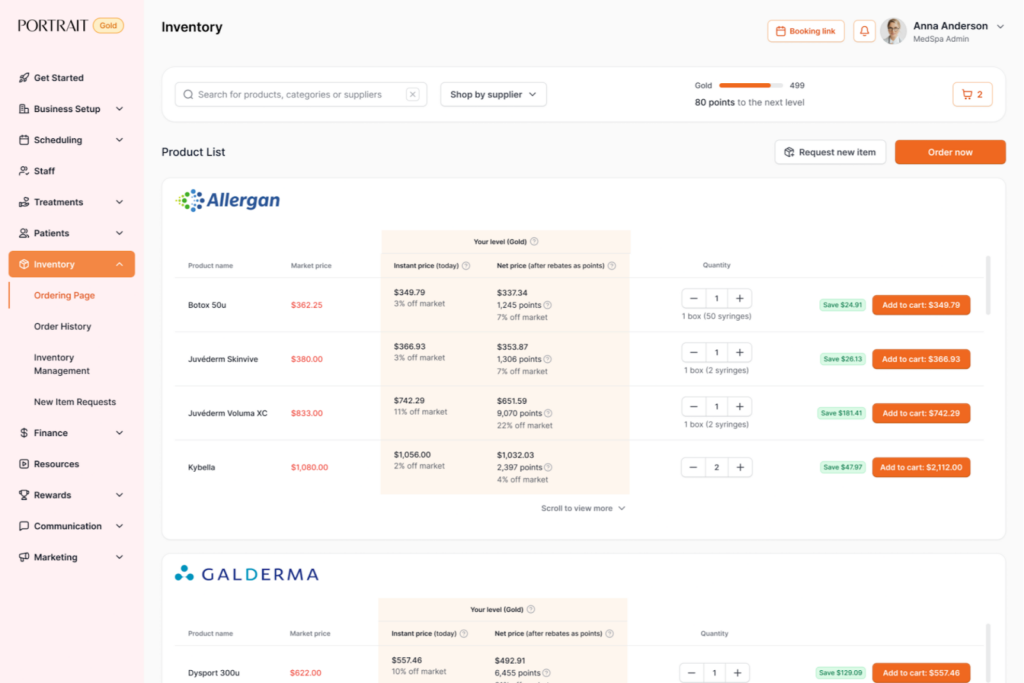
PortraitCare is a cloud-based platform for wellness clinics and med spas that combines scheduling, patient records, payments, CRM, and basic reporting. Although it also provides compliance support, marketing help, and supply discounts, it is strictly web-based and does not include physician-specific scheduling features.
Key features
- Integrated APIs: An interface that seamlessly integrates with other systems.
- Compliance Management: Tracks and manages policy adherence across any service or product.
Pros
- HIPAA-level security with cloud accessibility.
- Responsive onboarding support.
- Exclusive supplier discounts.
- Built‑in tools to reduce basic administrative burden.
- Cost-effective.
Cons
- Strictly web-based.
- Lacking NVIDIA AI foundations.
- No feature for physician scheduling.
- Marketing and reporting are more basic.
- Reported customer experience concerns.
7. Pabau
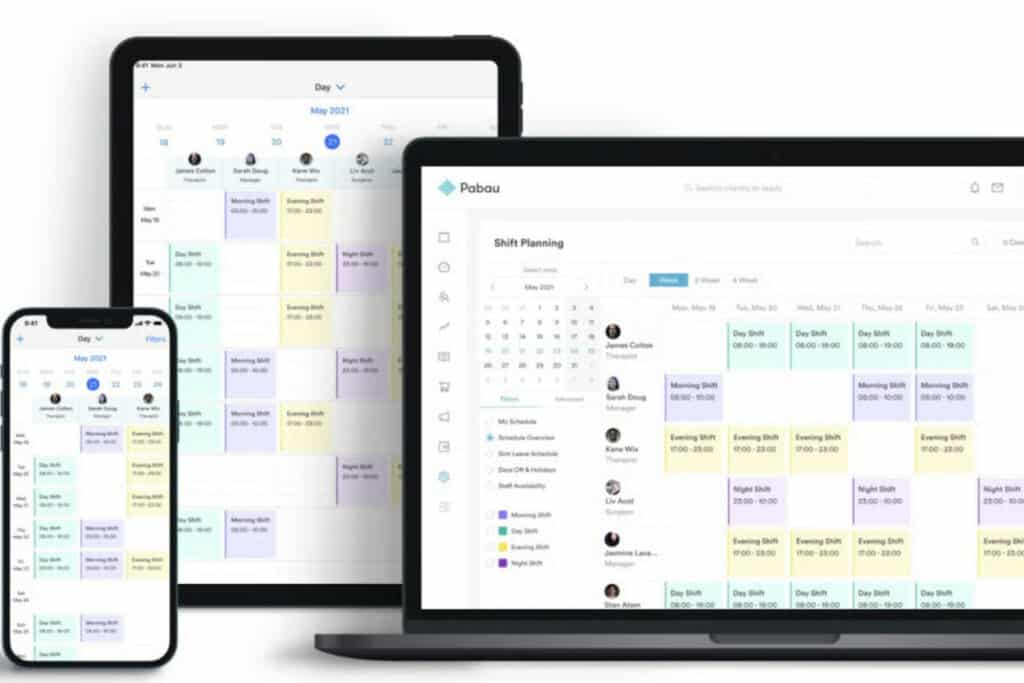
Pabau is a comprehensive practice management software that streamlines medspa operations. It combines appointment reminders, CRM marketing tools, and Electronic Medical Records (EMR) into a single platform and includes tools for patient communication, reporting, data security, and workflow automation.
Key features
- Prebuilt Reporting Templates: Includes real-time data dashboards and interactive reports for tracking performance metrics
- Strong Data Protection: Operates within HIPAA regulatory requirements to protect patient data and clinical records.
Pros
- User-friendly and modern interface.
- Easy CRM integrations.
- Customizable notes, forms, and workflows.
- Efficient scheduling.
Cons
- Difficult learning curve.
- Limited core clinical features.
- Complex setup and onboarding process.
- Feature gaps unless you pay for add‑ons.
- Pricing can rise quickly once you add users, SMS messaging credits, or premium modules.
8. MindBody
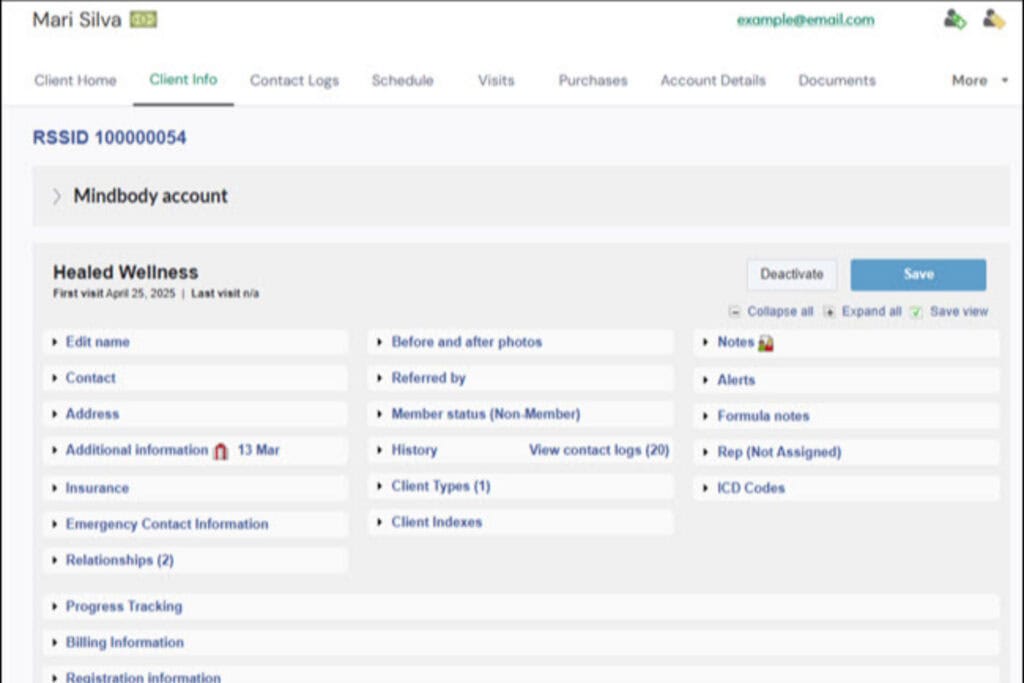
Mindbody is a cloud‑based platform that offers tools for appointment management, client engagement, and basic clinical documentation workflows. It’s widely used in the wellness, fitness, and spa industries.
Key features
- Comprehensive Scheduling System: Updates appointments, consultations, and events and syncs patient data across multiple devices.
- Branded Mobile Applications: Uses branded mobile apps to encourage clients to book, buy, and manage their memberships while on the go.
Pros
- Easy-to-use interface.
- 24/7 support resources and a large user community.
- Comprehensive suite of features that include general wellness and service‑based businesses.
Cons
- Expensive
- Missing necessary features for solo aesthetic practitioners.
- Frequent app glitches, and performance issues.
- Limited reporting depth for clinical/financial insights.
- Complex add‑on structure.
9. SetMore
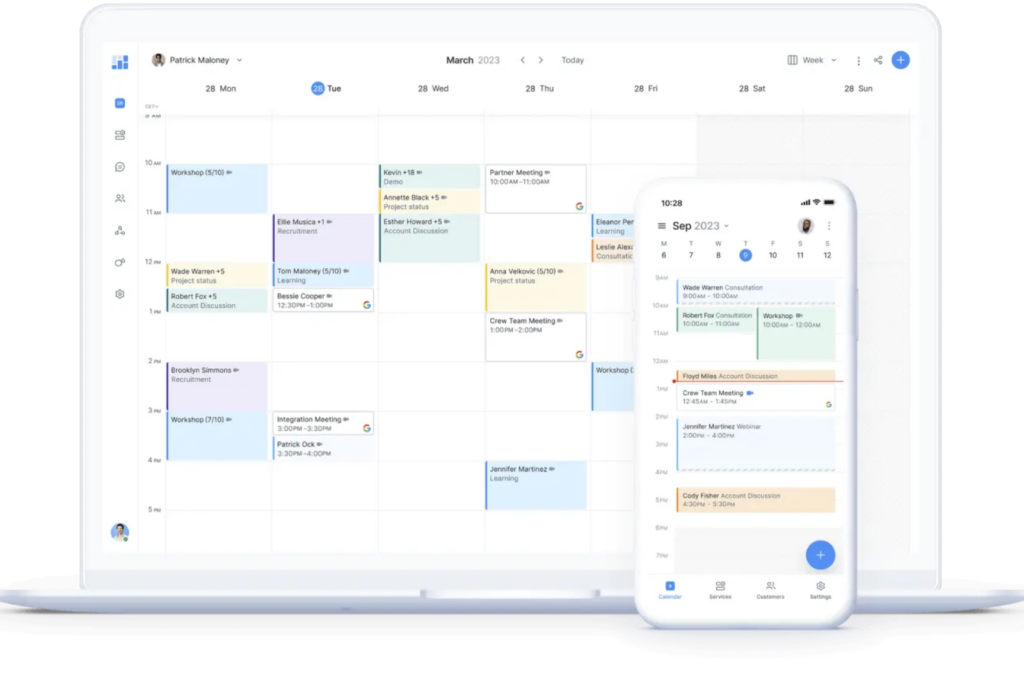
SetMore is a cloud-based appointment scheduling-first software. Its features make it suitable for solo practitioners who want a simple system with professional capabilities.
Key features
- Displayed Reviews: Displays shoutouts and feedback from happy customers to encourage new bookings.
- Self-Booking Page: Allows patients to self-book appointments 24/7.
Pros
- Reliable booking system with customer‑facing booking pages.
- User-friendly interface
- Integrations with calendars and basic tools..
Cons
- Cluttered scheduling.
- Lacks financial and operational reporting.
- Irregular calendar syncing.
- No clinical documentation, and minimal marketing tools.
- Limited patient engagement features.
- Not designed for compliance or medical workflows.
10. ClinicSense
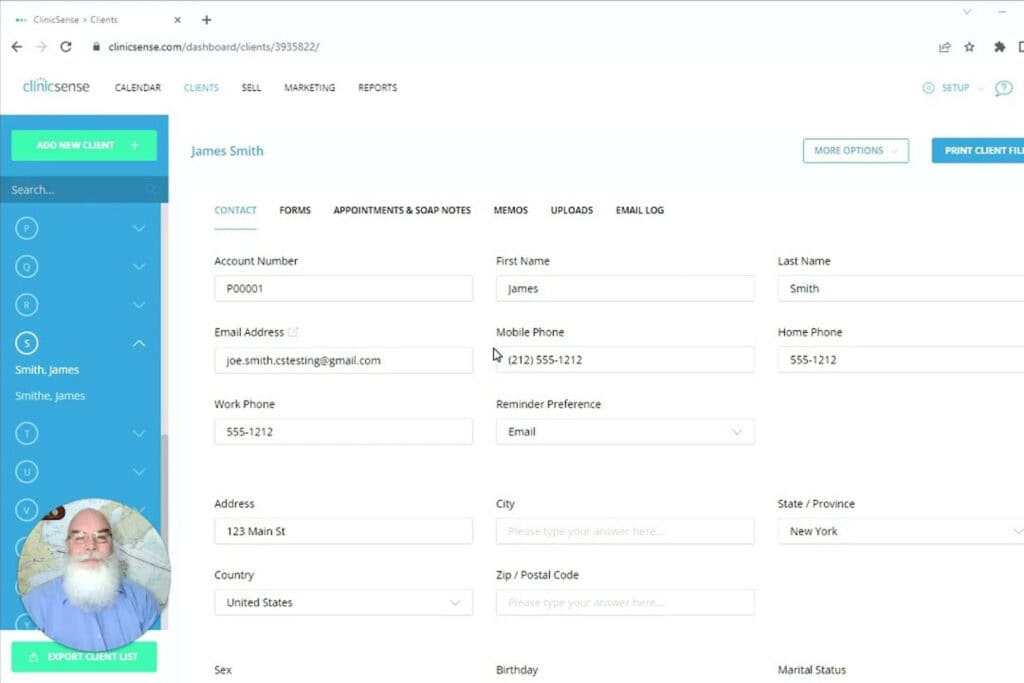
ClinicSense is practice management software aimed at reducing administrative burden for solo practitioners by handling scheduling, client communication, documentation, and billing in one place. It includes features like automated wellness check‑ins and treatment packages to support client retention and practice efficiency.
Key features
- Wellness Check-Ins: Helps keep clients on track with their treatment plans through automated wellness check-in emails.
- Treatment Packages: Offers treatment packages to improve business reputation and client experience.
Pros
- Streamlines appointment management.
- Effective client communication, and reminders.
- Good billing functionalities.
- Effective revenue tracking.
Cons
- Limited reporting, and analytics capabilities.
- Lack of Integration options.
- Scheduling gaps and constraints.
- Not focused on clinical documentation.
- Growth limitations without add‑ons.
- Feature inconsistencies across plans.
11. OptiMantra
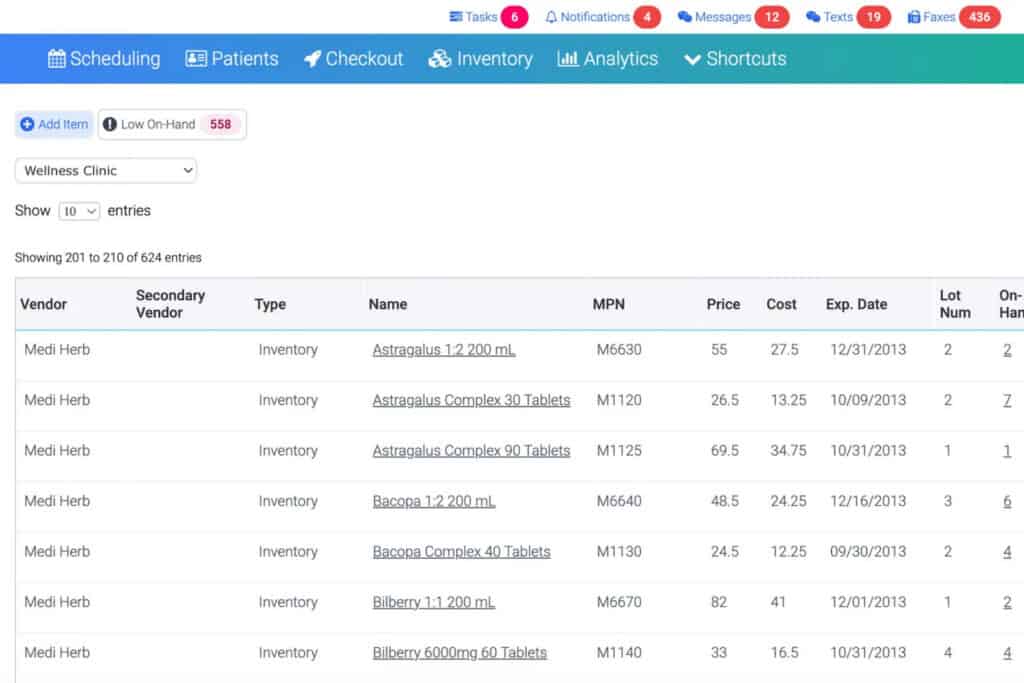
OptiMantra is a cloud‑based EMR/EHR and practice management platform designed to help practitioners manage patient records and daily administrative operations. It includes features for electronic prescribing, customizable charting, and integration with other healthcare systems.
Key features
- Electronic Prescriptions: This feature allows practitioners to connect with local and international pharmacies and submit online prescription orders and refill requests.
- Customized Charting: Provides flexibility to create customizable intake and charting forms.
Pros
- Integrates with other health care systems.
- Simple and transparent pricing.
- Helpful customer support.
- Support functional and general medical workflows.
Cons
- Add-on features cost extra.
- No free version.
- Complex setup, and onboarding process.
- Not tailored to aesthetic‑specific workflows.
- Limited marketing and patient engagement tools.
- Reporting and analytics are basic.
- Higher cost per practitioner.
12. Calendly
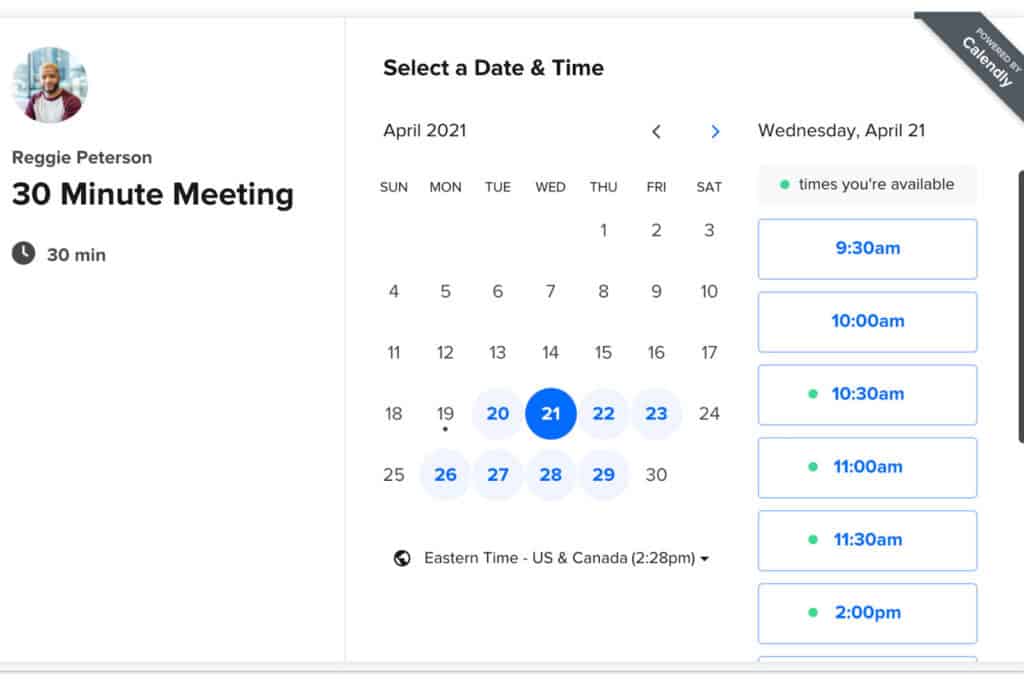
Calendly is an online appointment-scheduling software that simplifies bookings and reduces back-and-forth between patients and practitioners. It allows clients to self-schedule appointments with customized links and integrates with calendar systems.
Key features
- Customized Locations: Automatically add location details to new appointments
- Recorded Meetings: Captures and records meetings wherever clients prefer to meet.
Pros
- Supports website-embedded scheduling widgets.
- Easy-to-use features.
- Personalized scheduling link.
- PayPal and Stripe payment collection.
Cons
- Overwhelming setup process for practitioners new to appointment tools.
- Lack of software flexibility beyond basic scheduling.
- Minimal reporting and analytics functions.
- No clinical record‑keeping or patient engagement tools.
- Additional costs for advanced features.
How to choose the right MedSpa software as a solo practitioner
Choosing the right MedSpa software brings structure to growing operational responsibilities. These five considerations help solo practitioners pick a tool that supports long-term stability:
1. Choose a system that keeps care connected
Switching between tools for scheduling, payments, and records increases the risk of errors. So, use a platform that stores client records, treatment history, and financials in one place allows you to navigate each patient visit with focus and efficiency.
2. Select software that reduces the need for manual work
Look for software that reduces manual administrative tasks, such as appointment confirmations and reminders, so you can stay focused on patients.
3. Pick a software that can grow with your practice
Think of where your business is going, not where it is right now. The right software should support your business’s growth without disrupting your current workflow.
4. Use reporting to optimize practice performance
As a solo practitioner, you should select a software that offers data-driven analytics and insights into bookings, visits, and revenue trends. This will help you to easily optimize your practice performance.
What the right MedSpa software looks like for solo practitioners
As a solo MedSpa grows, operational demands expand alongside clinical responsibilities. The right software should reduce fragmentation, preserve care standards, and provide consistent visibility across daily operations, allowing practitioners to focus on patients without losing control of the business.
For clinicians transitioning to solo practice, choosing software designed specifically for medical aesthetics is essential. PatientNow provides an all-in-one platform that integrates scheduling, records, payments, and patient engagement into a single, connected system. Unlike general scheduling tools or lightweight EMRs, it replaces multiple vendors, and supports both surgical and non-surgical workflows. It also provides actionable KPIs and automation that actually fill the schedule and improve retention. Moreover, its purpose-built design, U.S.-based support, and scalability make it the most effective choice for solo practices looking to grow without compromise. To see how it supports solo practices in real-world use, book a demo on the PatientNow website.