Quick summary
AI tools can be of immense help to medical spas, helping reduce admin strain without overly changing how the care experience feels. Compare seven leading AI tools for medical spas, including PatientNow, to see how automation can reduce administrative work, improve patient follow-up, and support staff without disrupting the care experience.
How can medical spas use AI without losing the human touch?
The AI presence has made a significant boom in medical spa software, but not all of it feels helpful. Practice owners are given the impression that automation will “transform” their business. Yet many of these tools just add complications, change workflows, or create patient interactions that feel impersonal.
In reality, medical spas don’t need louder technology. They, instead, need quieter support. When properly utilized, AI reduces repetitive admin work, supports staff during busy days, and helps patients stay engaged without feeling robotic. This article looks at 7 medical spa AI tools that provide automations behind the scenes while preserving the human side of care.
Why listen to us?

At PatientNow, we exclusively work with medical aesthetic practices. For more than 20 years, we’ve seen how the choice of technology has affected staff morale, patient trust, and long-term growth. Our approach to AI is practical by design, with the sole aim of reducing administrative busywork, supporting teams, and simplifying workflow. We aim to protect the patient experience rather than replace it.
Comparing the 7 leading medical spa AI tools
Below are the 7 medical spa AI tools that support daily operations without replacing staff or ultimately changing the care flow.
| # | Tool | Good For |
|---|---|---|
| 1 | PatientNow | All-in-one med spa operations, including clinical workflows, scheduling, marketing, payments and patient engagement. |
| 2 | Podium | Managing patient messaging, calls and reviews. |
| 3 | Jasper | Quickly creating AI marketing content for emails, social media and promotions. |
| 4 | Mangomint | Front-desk scheduling and appointment management. |
| 5 | Abridge | Transcribing visits and generating structured clinical notes. |
| 6 | Lindy | Automating general administrative tasks and internal workflows. |
| 7 | Haut.AI | Personalized skin analysis and treatment suggestions for consultations. |
1. PatientNow
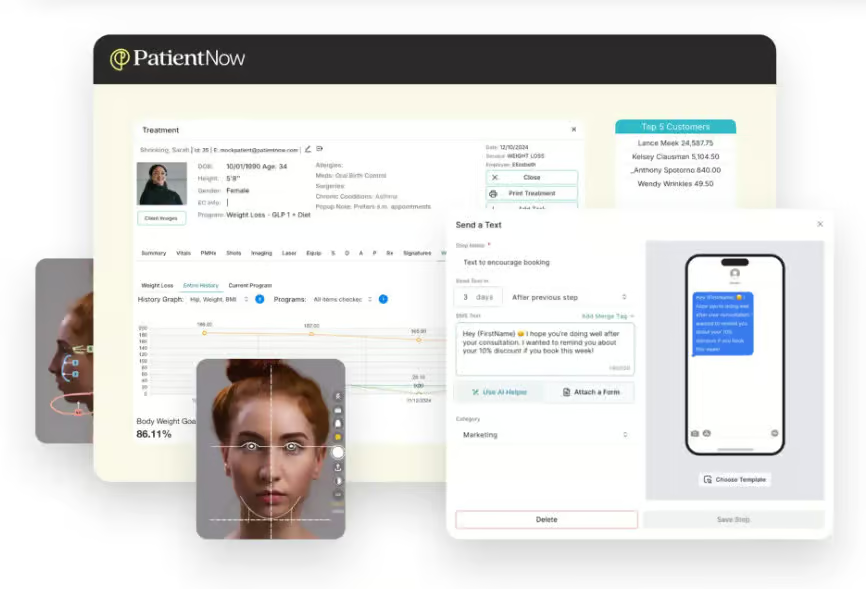
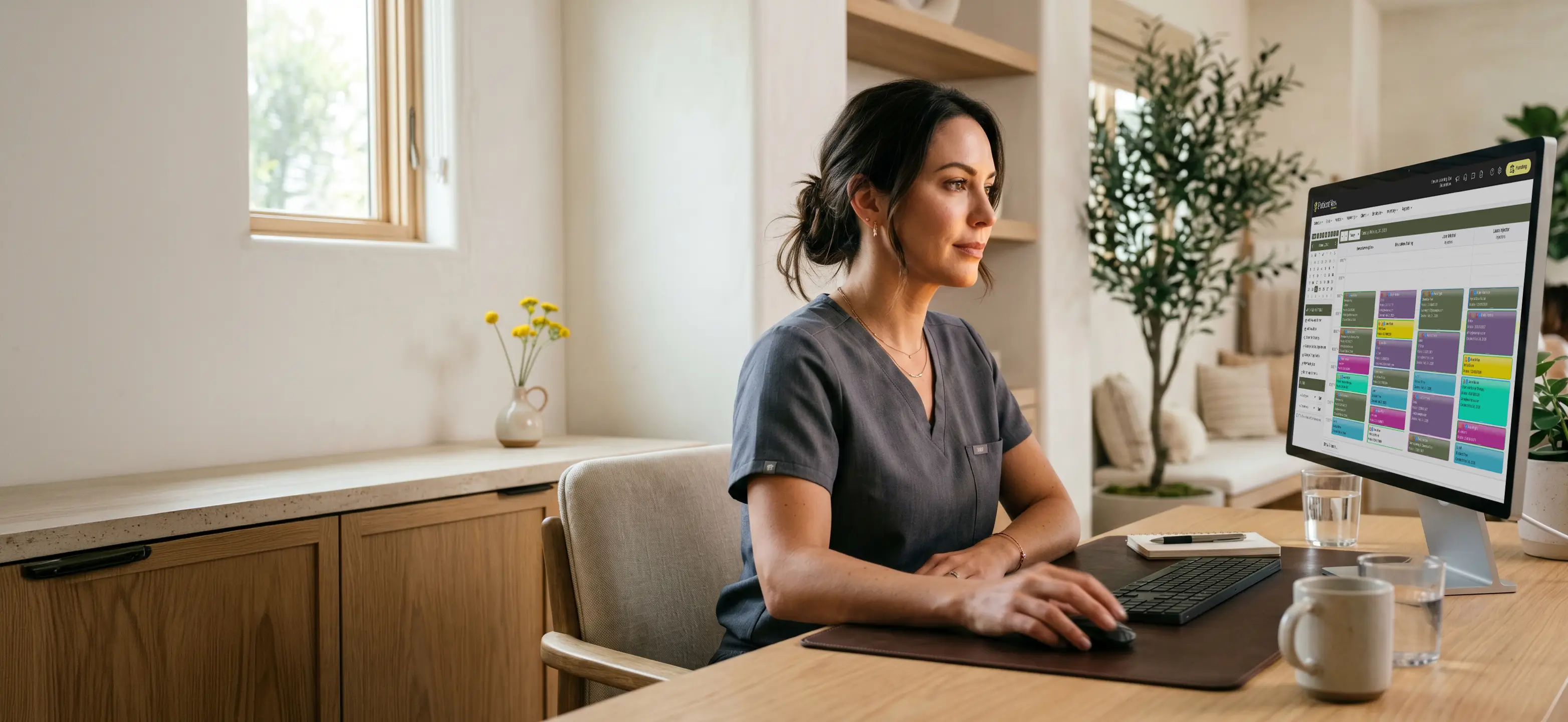
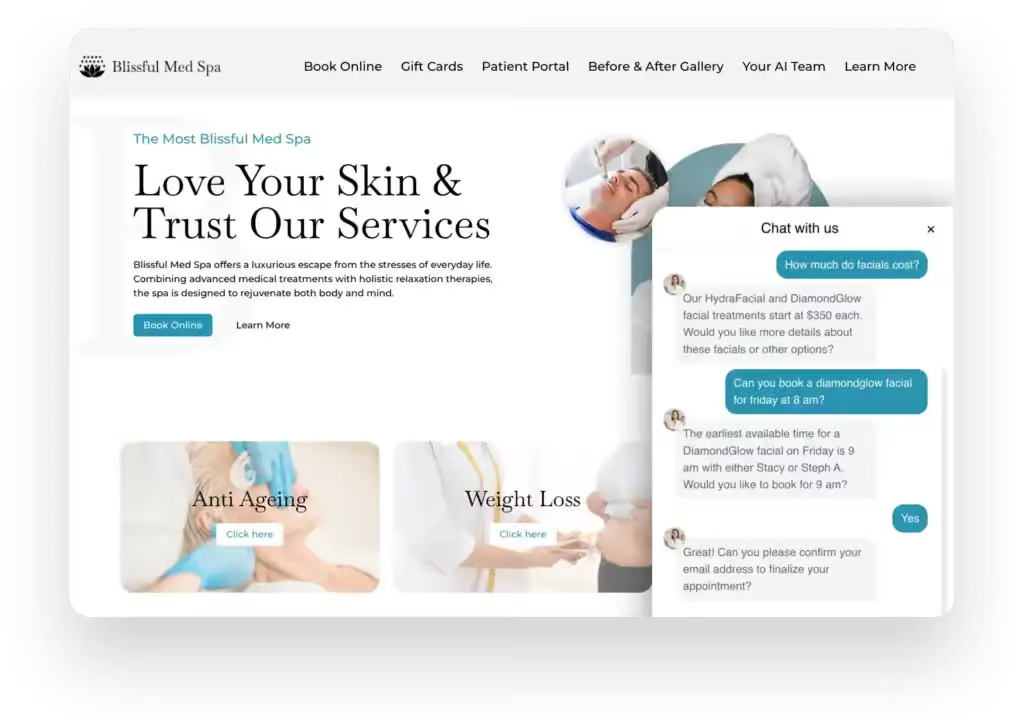
PatientNow embeds AI across the full patient journey, using automation to reduce routine admin work while still preserving personal care. It utilizes AI as a quiet infrastructure rather than a standalone feature, with one core principle: technology should support people, not compete with them. Through Recura AI, PatientNow manage sroutine interactions such as booking responses, reminders, cancellations, and follow-ups, keeping teams responsive without overwhelming them.
The aim is to create fewer interruptions for staff and ensure a more consistent experience for patients. Recura AI also connects EMR, CRM, marketing, scheduling, and payments.
Key features
- Recura-powered communication automation: Automates booking responses, reminders, cancellations, and follow-ups to reduce front-desk workload.
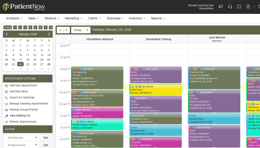
- AI-supported scheduling workflows: Keep schedules full and organized without staff needing to manually manage every change.
- Context-aware patient engagement: AI actions are informed by patient history, preferences, and activity inside the system.
- All-in-one platform integration: AI works across EMR, CRM, marketing, payments, and communication in one environment.
Pros
- It’s best for established med spas with multi-provider teams or higher patient volume.
- AI reduces admin work without disrupting workflows.
- Built specifically for medical aesthetics.
- Automation feels natural to patients.
- No need for multiple vendors.
- Supports profitability tracking and provides U.S.-based support.
Cons
- Designed for established practices rather than solo providers.
- Full feature adoption may require onboarding and training for larger teams.
2. Podium
Source: Capterra
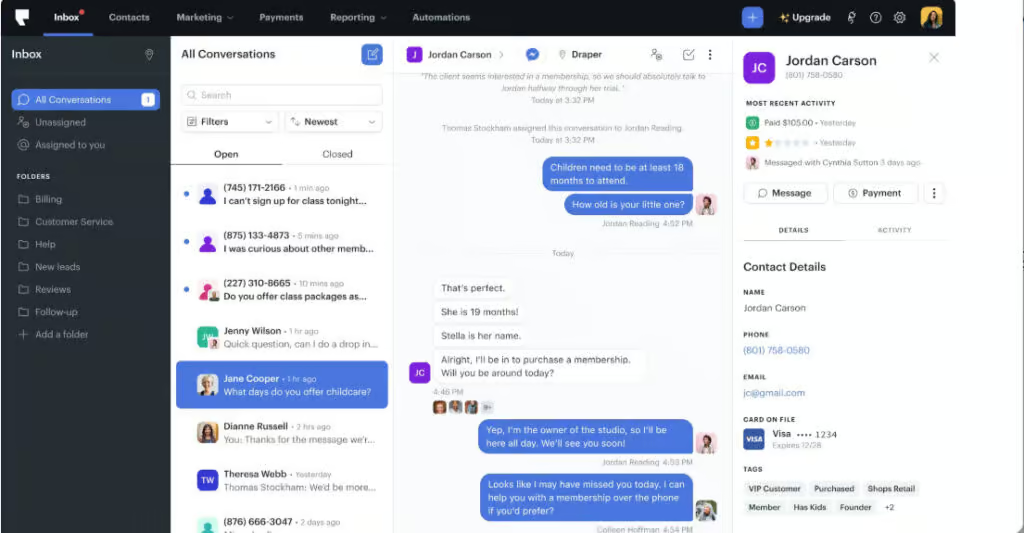
Podium uses AI to help practices manage patient communication at scale, focusing on messages, calls, and reviews. It brings texts, calls, webchat, social messages, and patient profiles into one inbox, with automated reminders, follow-ups, and review requests to improve responsiveness and reputation.
Key features
- AI-assisted SMS responses: Helps staff reply faster to common patient questions without constant manual typing.
- Missed-call follow-up automation: Captures inbound calls even when the front desk is busy.
- Review request automation: Encourages patients to leave reviews with minimal staff involvement.
Pros
- Reduces front-desk interruptions.
- Improves response speed.
- Good patient communication focus.
Cons
- Limited beyond messaging and reviews.
- Not built for clinical or practice management.
- Pricing and contracts can be high or complex.
3. Jasper
Source: Captrerra
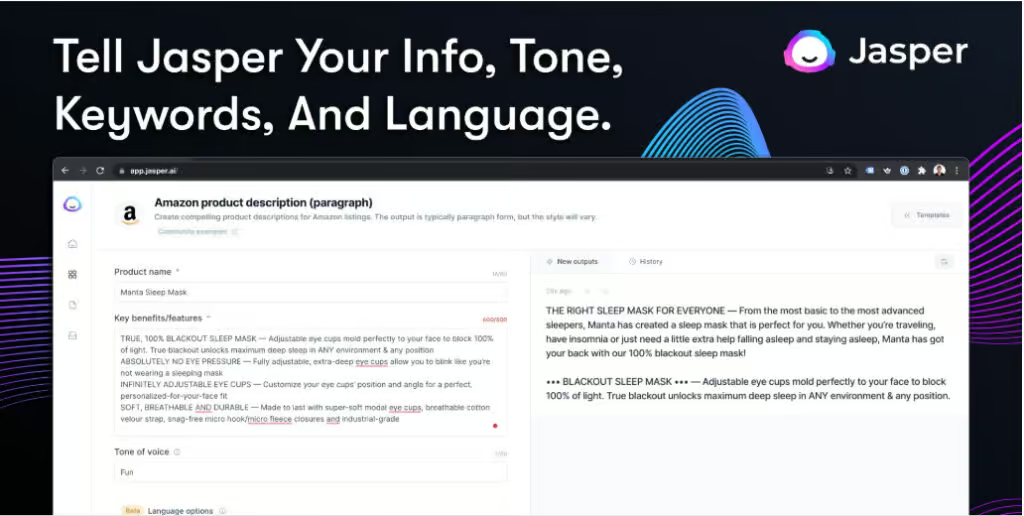
Jasper is an AI writing assistant that supports medical spas' marketing teams by accelerating content creation for emails, social posts, and promotions. This helps practices maintain consistent outreach without dedicating excessive time to writing.
Key features
- AI-generated marketing copy: Drafts promotional emails, announcements, social posts, and promotional content quickly for faster campaign execution.
- Brand voice customization: Allows teams to guide tone and messaging style, maintaining consistency.
- Campaign content support: Useful for promotions, announcements, and seasonal campaigns.
Pros
- Speeds up marketing workflows.
- Reduces content creation time.
- Flexible across channels.
- Useful for campaigns and promotions.
Cons
- Not built for healthcare workflows.
- Requires human editing for tone and compliance.
- Doesn’t integrate with core EMR tools or patient data.
4. Mangomint
Source: Capterra
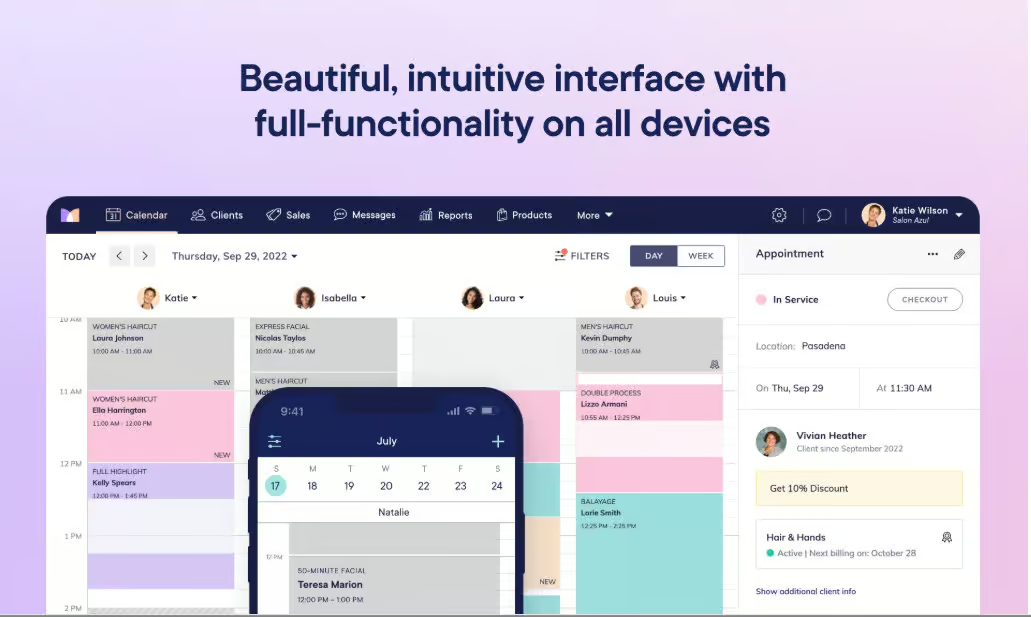
Mangomint applies light automation to scheduling and front-desk workflows, helping service-based practices stay organized during busy days. It uses AI to support appointment confirmations, reminders, and calendar flow, helping keep daily operations organized.
Key features
- Automated appointment reminders: Reduce no-shows and minimize the need for manual follow-ups by front-desk staff.
- Scheduling logic support: Supports scheduling logic that helps manage availability, appointment spacing, and daily flow.
- Client communication tools: Keep confirmations and updates consistent and easy to track.
Pros
- Simplifies scheduling workflows.
- Reduces missed appointments.
- Easy for staff to adopt.
- Clean, modern interface.
Cons
- Limited clinical depth.
- Narrow AI scope.
- Not built as an EMR or full practice management system.
5. Abridge
Source: Abridge
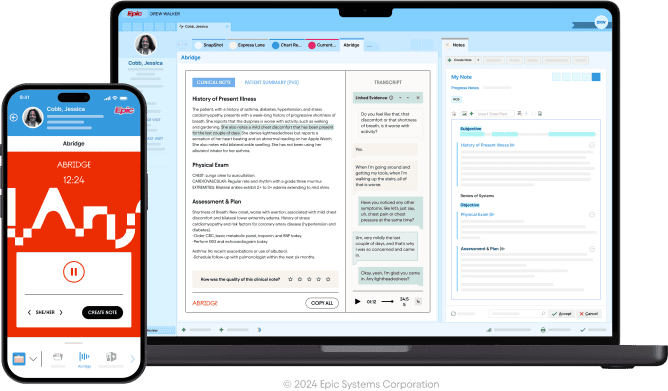
Abridge is an AI-assisted clinical documentation tool designed to reduce the documentation burden placed on clinicians during patient visits. It uses AI to transcribe conversations and generate structured visit summaries, reducing manual note-taking.
Key features
- Automated visit transcription: Records and transcribes patient-provider conversations in real time, reducing the need for manual note-taking during or after appointments.
- AI-generated clinical summaries: Converts transcribed conversations into structured visit notes, helping standardize documentation while saving provider time.
- Documentation consistency and auditability: Improves the uniformity of visit records, supporting clearer follow-up and internal review processes.
Pros
- Saves provider time.
- Improves documentation consistency.
- Supports focus on patient interaction rather than typing.
Cons
- Narrow use case.
- Not designed for holistic med spa operations.
6. Lindy

Source: Capterra
Lindy is a general-purpose AI assistant that helps med spa teams automate routine tasks and workflows across apps like email, calendar, and CRM. It can manage scheduling, inbox triage, reminders, task creation, and simple process automations.
Key features
- Task automation: Handles reminders and recurring tasks, minimizing the need for manual follow-ups.
- Workflow assistance: Supports simple process automation across apps, helping staff automate routine internal processes.
- Flexible setup: Allows teams to define how and where AI support is applied, making it adaptable to different operational needs.
Pros
- Flexible and adaptable.
- Reduces minor admin friction.
- Easy to experiment with.
Cons
- Not healthcare-specific.
- Requires setup and supervision.
- Not an EMR or unified practice management solution.
7. Haut.AI
Source: Capterra
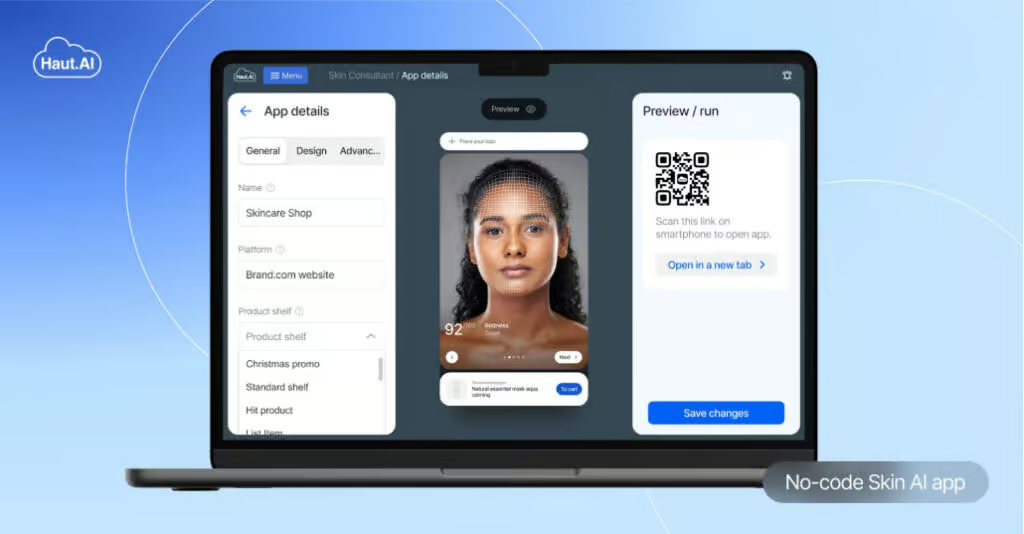
Haut.AI uses artificial intelligence to support skin analysis and treatment recommendations during aesthetic consultations. It processes visual skin data to help identify concerns and suggest possible treatment paths.
Key features
- AI-driven skin analysis: Analyzes visual skin data to identify concerns such as texture and tone irregularities, as well as visible conditions, supporting more objective assessments during consultations.
- Personalized treatment insights: Uses analysis results to suggest treatment paths and product recommendations, helping practitioners tailor plans while retaining full clinical judgment.
- Visual consultation support: Provides visual outputs that help patients understand their skin concerns and proposed treatments, improving clarity and alignment during consults.
Pros
- Enhances the consultation experience.
- Supports and enhances personalization.
- Visually engaging for patients.
Cons
- Limited operational impact on daily workflows.
- Requires integration into existing clinical workflows.
- Not a standalone EMR or practice management platform.
PatientNow opens a new world of automations with Recura
AI doesn’t need to be visible to be valuable, and for medical spas, the best tools are the ones patients barely notice, and the staff genuinely appreciate. Whether a practice needs lightweight automation or a fully integrated system, the right AI should reduce pressure, not add it.
But unlike standalone tools or AI add-ons, PatientNow combines clinical documentation, scheduling, marketing, communication, payments, and revenue tracking in one system. This gives practices full operational control and frees staff to focus on care rather than juggling multiple apps.
With the acquisition of Recura, automation is also woven into scheduling, follow-ups, and patient engagement in ways that support staff workflows instead of replacing them. For practices looking to simplify operations while protecting the quality of care, PatientNow’s Recura AI offers a balanced approach. It combines automation, clinical depth, and long-term practice support in one platform. So, book a personalized consultation today and find out how you can ease the stress on your staff and simplify the patient lifecycle with smart PatientNow AI automations.
Explore this post
Book a demo to see PatientNow in action