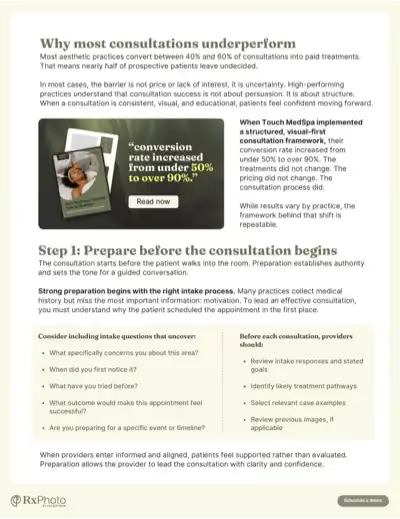

Quick Summary
Med spas struggle with fragmented marketing tools, manual follow-ups, and disconnected clinical systems that slow growth. But the right healthcare marketing automation platform unifies EMR, AI-driven outreach, scheduling, and payments in one system, helping aesthetic practices attract patients, increase retention, and scale efficiently.
Marketing That Works While You Treat Patients
Most med spa owners didn't open their practice to spend hours chasing leads, managing follow-up sequences, or deciphering disconnected dashboards. But in today's saturated aesthetics market, automated marketing isn't optional. It's how practices survive. The right healthcare marketing automation platform eliminates manual busywork, fills your schedule without extra effort, and keeps patients coming back. This guide cuts through the noise and ranks the 10 best healthcare marketing automation platforms for aesthetics practices so you can choose with confidence.
Why Listen to Us

PatientNow has served aesthetic practices exclusively since 2004. With over two decades of hands-on experience and 5,000+ clients worldwide, we understand what actually drives patient acquisition, retention, and revenue in medical aesthetics. Our real-world expertise in marketing automation for healthcare practices gives us practical insight into which platforms deliver results, and which ones fall short.
What Is a Healthcare Marketing Automation Platform?
A healthcare marketing automation platform automates patient acquisition, engagement, and retention tasks like lead follow-up, appointment reminders, review requests, and email or SMS campaigns. It does this without requiring manual effort from your team.
But for aesthetic practices specifically, the best platforms go beyond generic CRM features. They include HIPAA-compliant communication, clinical workflow integration, and tools to manage patient loyalty and lifetime value. The result is a practice that attracts more patients, retains them longer, and generates more revenue per visit without adding headcount.
Quick Comparison: 10 Best Healthcare Marketing Automation Platforms
Take a glance at the leading marketing automation systems for the health industry.
| # | Tool | Key Features | Good For |
|---|---|---|---|
| 1 | PatientNow | AI Concierge, marketing suite and inventory management. | Med spas and aesthetic practices. |
| 2 | Salesforce Health Cloud | CRM automation, Journey Builder and analytics. | Large hospitals and clinic networks. |
| 3 | Insider One | Cross-channel campaigns, AI segmentation and web personalization. | Mid-sized to large multichannel health brands. |
| 4 | HubSpot Marketing Hub | Email campaigns, lead scoring and CRM integration. | General healthcare marketing teams. |
| 5 | Prospyr | Lead tracking, automated follow-up and performance reporting. | Aesthetic practices focused on improving lead generation. |
| 6 | Birdeye | Review management, SMS campaigns and reputation monitoring. | Practices focused on reputation growth. |
| 7 | Klara | Patient messaging, intake automation and secure chat. | Clinics prioritizing patient communication. |
| 8 | Tebra | Online scheduling, billing automation and patient engagement. | Small independent medical practices. |
| 9 | Clarify Health | Predictive analytics, care pathway insights and attribution. | Large hospital systems and accountable care organizations. |
| 10 | Steer Health | AI care navigation, campaign automation and patient reactivation. | Health networks and multispecialty groups. |
Let’s now look at each tool in turn.
1. PatientNow

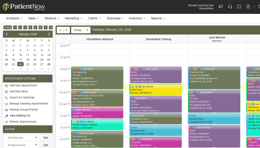
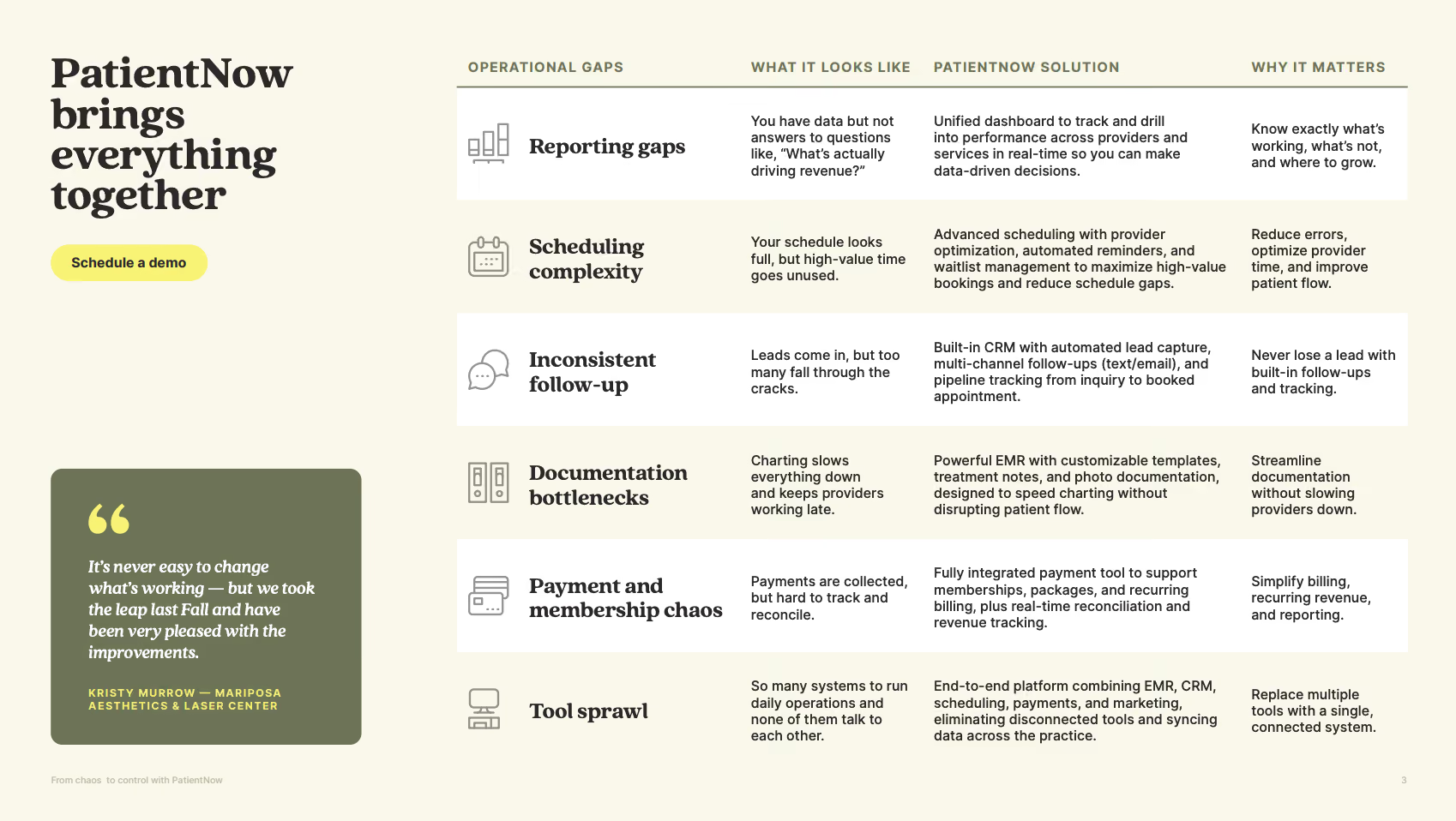
PatientNow is the only growth platform built exclusively for aesthetic and medical practices. It combines clinical-grade EMR, a full healthcare marketing automation suite, AI-powered patient engagement, advanced photo management, and revenue tools in one unified system.
With 20+ years focused solely on aesthetics, PatientNow replaces the fragmented stack of 4–6 separate tools most practices juggle, without sacrificing compliance, clinical depth, or reporting power. It’s designed to drive patient acquisition, improve retention, and increase revenue per visit while reducing administrative workload.
Key Features
- AI Concierge (Recura): Books appointments 24/7, converts web leads in under 30 seconds, and grows your practice while you focus on giving your patients the best care ever.
- Full Marketing Suite: Lead capture, automated email and SMS drip campaigns, recall systems, reputation management, social posting with Canva integration, and AI-assisted content creation.
- Clinical-Grade EMR: Injection tracking, weight-loss monitoring, e-prescribing, telehealth, labs, quoting, and HIPAA-compliant charting designed specifically for aesthetics.
- Inventory Management & Revenue Tools: Automated purchase reorders, memberships, loyalty programs, integrated payments with next-day funding, KPI dashboards, and employee goal tracking.
Integrations
PatientNow integrates with QuickBooks, Canva, 120+ lab vendors, CareCredit, Cherry, Tippy, and RxPhoto for synchronized photo management and billing.
Pros
- Purpose-built for aesthetics, not retrofitted.
- True all-in-one: EMR, marketing, payments, photos.
- AI Concierge (Recura) works 24/7 without staff effort.
- Strong reporting, KPIs, and business intelligence.
- Easy data visualizations and customizable reports.
- Deep AI-led patient engagement.
- Scalable from startup to enterprise.
Cons
- Higher starting price than entry-level competitors
Good For
Med spas, aesthetic clinics, weight-loss centers, and plastic surgery practices that want one platform to manage patient acquisition, clinical workflows, and retention. Ideal for teams looking to drive revenue growth without stitching together multiple vendors. Multi-location practices can segment audiences by location and run campaigns for each clinic.
2. Salesforce Health Cloud
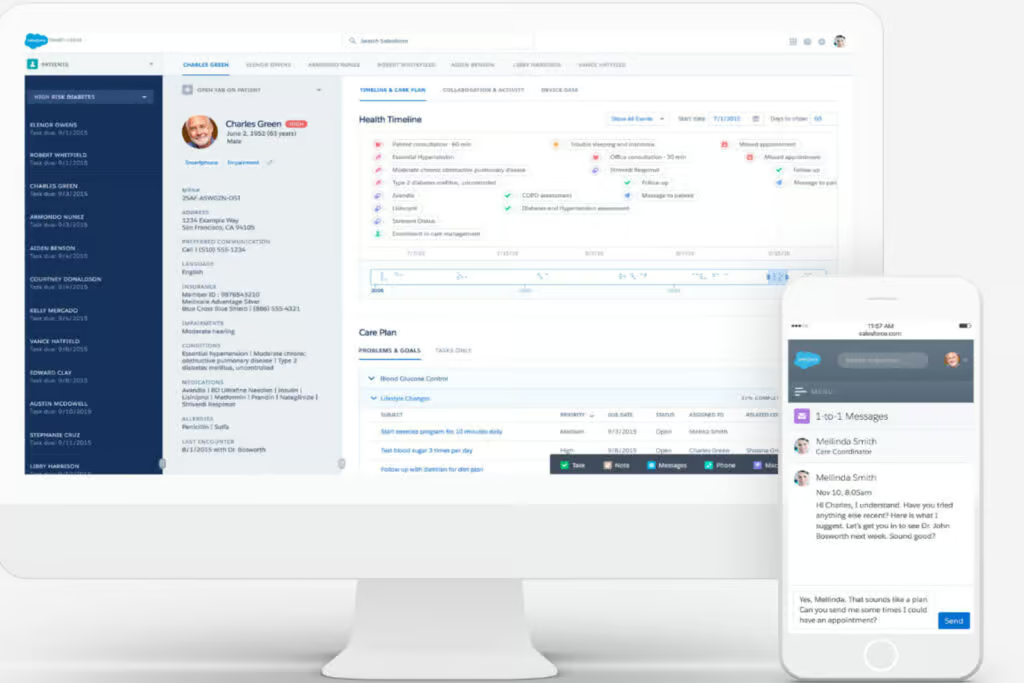
Salesforce Health Cloud extends the world's most recognizable CRM into healthcare, giving large health systems a powerful engine for patient journey management, care coordination, and marketing automation. It’s good for enterprise environments where data integration across complex systems is the primary challenge.
Key Features
- CRM automation: Tracks every patient interaction for personalized follow-up at scale.
- Journey builder: Designs multi-step patient outreach sequences across channels.
- Analytics: Real-time dashboards surface actionable revenue and engagement insights.
Integrations
Salesforce integrates broadly with EHR platforms, billing systems, and hundreds of third-party tools through its AppExchange marketplace.
Pros
- Industry-leading CRM infrastructure.
- Highly customizable for enterprise workflows.
- Rich analytics and reporting.
- Broad integration ecosystem.
Cons
- Expensive for small/mid-size practices.
- Requires significant setup and technical resources.
- Not built for aesthetic-specific workflows.
Good For
Large hospitals and clinic networks needing an enterprise solution.
3. Insider One
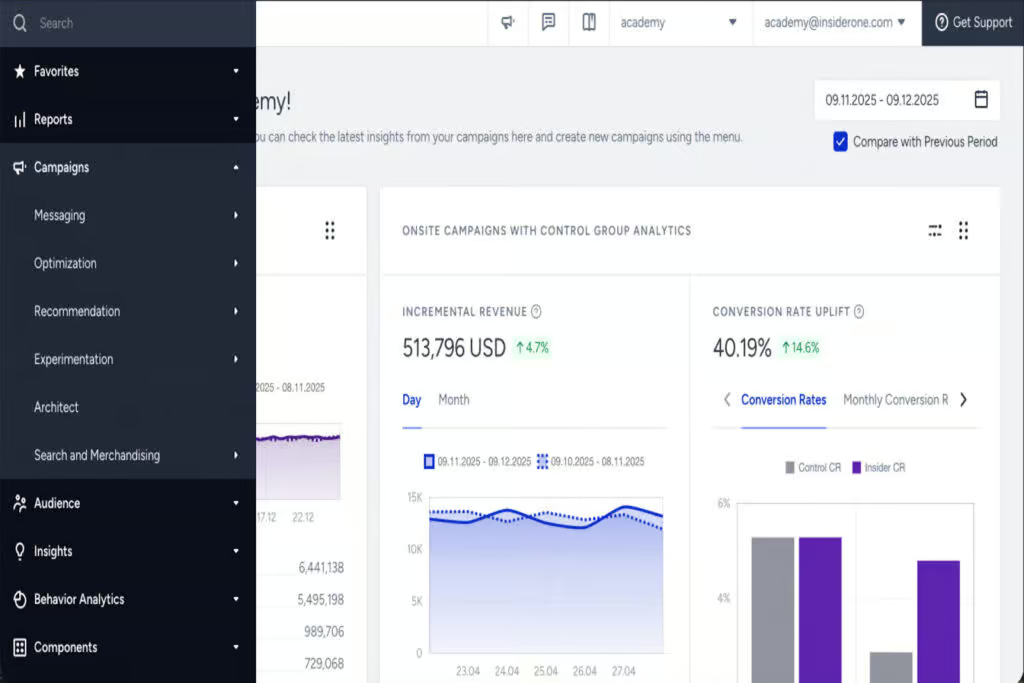
Insider One is an AI-native cross-channel marketing platform that helps healthcare brands deliver personalized experiences across email, SMS, web, app push, and more. Its strength lies in behavioral segmentation and real-time personalization, making it a strong fit for health brands with large patient databases and multi-channel marketing needs.
Key Features
- Cross-channel campaigns: Coordinates messaging across email, SMS, web, and app simultaneously.
- AI segmentation: Identifies high-value patient segments for targeted outreach automatically.
- Web personalization: Customizes website content in real time based on patient behavior.
Integrations
Insider connects with major CRMs, CDPs, analytics tools, and ad platforms, including Salesforce, HubSpot, Google, and Meta, through native connectors and APIs.
Pros
- Powerful AI-driven segmentation.
- True omnichannel campaign execution.
- Good web personalization capabilities.
- Intuitive visual journey builder.
Cons
- No clinical EMR capability.
- Pricing is not transparent.
- Overkill for single-location practices.
Good For
Mid-to-large healthcare brands and health systems needing cross-channel automation.
4. HubSpot Marketing Hub
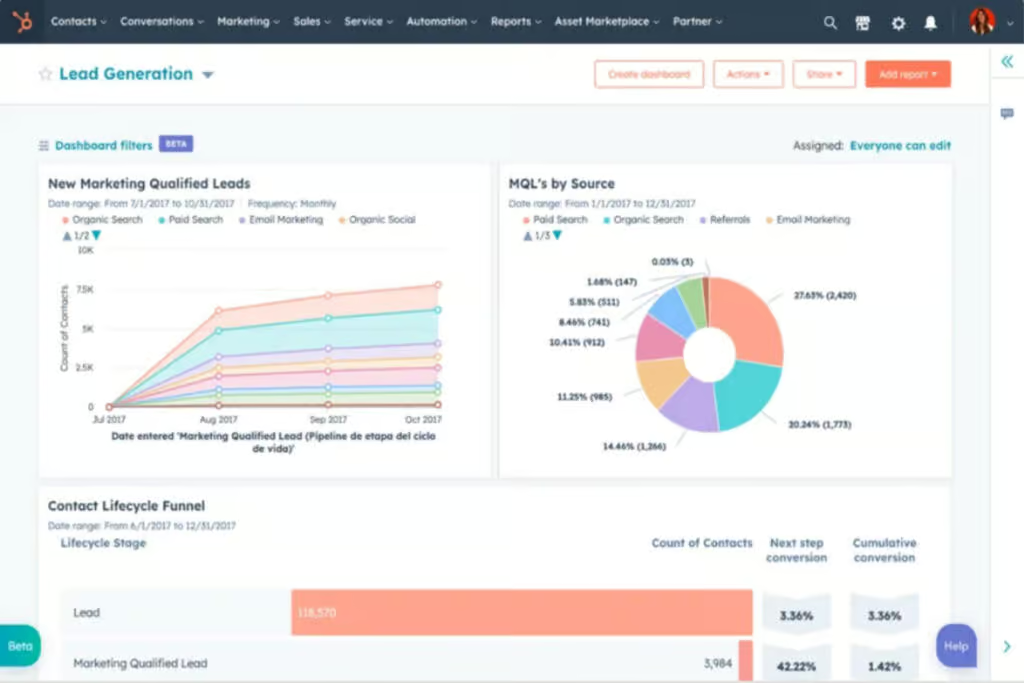
HubSpot Marketing Hub is a widely adopted marketing automation platform with a broad feature set for email campaigns, lead management, and CRM integration. It's a popular choice for healthcare marketing teams already in the HubSpot ecosystem.
Key Features
- Email campaigns: Designs and automates patient outreach sequences at scale.
- Lead scoring: Prioritizes follow-up based on engagement and patient behavior signals.
- CRM integration: Syncs marketing activity directly into the HubSpot CRM for unified tracking.
Integrations
HubSpot integrates with hundreds of tools, including Salesforce, Zoom, Calendly, Google Workspace, and healthcare-adjacent platforms, through its app marketplace.
Pros
- Polished interface.
- Solid email and workflow automation.
- Well-integrated CRM and reporting.
- Large integration ecosystem.
Cons
- Not HIPAA-compliant out of the box.
- No clinical EMR functionality.
- Cost escalates quickly with contact volume.
Good For
General healthcare marketing teams that already use HubSpot's CRM.
5. Prospyr
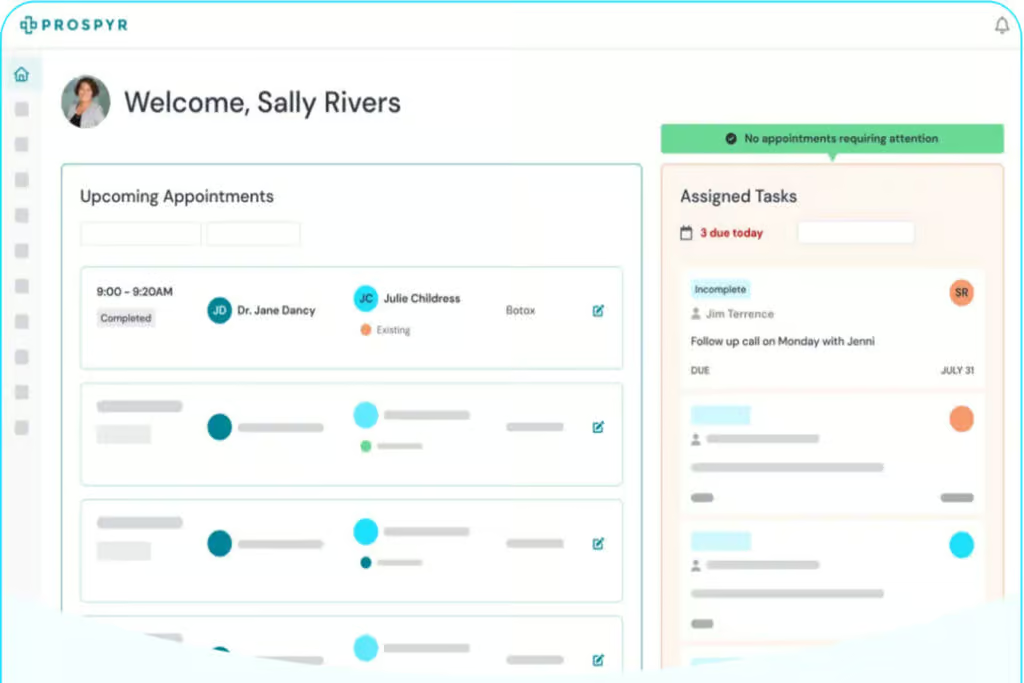
Prospyr is a purpose-built CRM and lead management platform designed for aesthetic practices. It focuses on helping practices track, nurture, and convert leads from consultation to booking, with reporting tools that surface which marketing sources are driving real revenue.
Key Features
- Lead tracking: Monitors every prospect from first touch through booked appointment.
- Automated follow-up: Triggers personalized outreach sequences without manual effort.
- Performance reporting: Connects marketing spend to consultation and revenue outcomes.
Integrations
Prospyr integrates with leading aesthetic practice management systems and ad platforms to close the loop between marketing spend and patient acquisition.
Pros
- Aesthetic-focused lead management.
- Clear marketing attribution reporting.
- Streamlined consultation-to-booking workflow.
- Straightforward onboarding for small teams.
Cons
- Limited clinical functionality.
- Narrower feature set.
- Requires a separate practice management tool.
Good For
Aesthetic practices that want to generate more leads efficiently.
6. BirdEye
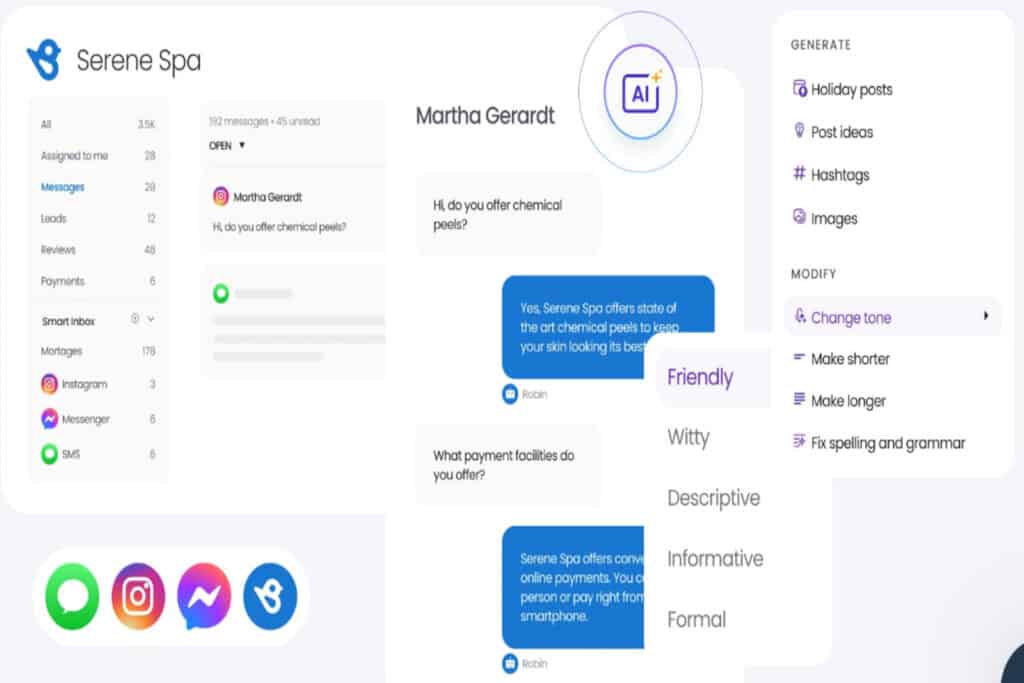
BirdEye is a reputation management and patient experience platform that helps healthcare practices collect reviews, manage their online presence, and communicate with patients via SMS and messaging. It's well-suited for practices where online reputation is a primary growth lever.
Key Features
- Review management: Automates review requests and monitors responses across platforms.
- SMS campaigns: Sends targeted messages to patient lists to drive engagement and bookings.
- Reputation monitoring: Tracks ratings and feedback across Google, Yelp, and healthcare directories.
Integrations
BirdEye integrates with major EHRs, practice management systems, and CRMs, including Salesforce, HubSpot, and various healthcare platforms through its partner network.
Pros
- Excellent reputation/review automation.
- Easy-to-use messaging interface.
- Solid multi-location management.
- Good brand visibility across directories.
Cons
- Limited EMR integration.
- Not built for aesthetic-specific workflows.
- No acquisition tools.
Good For
Healthcare practices that want to improve their online reputation.
7. Klara
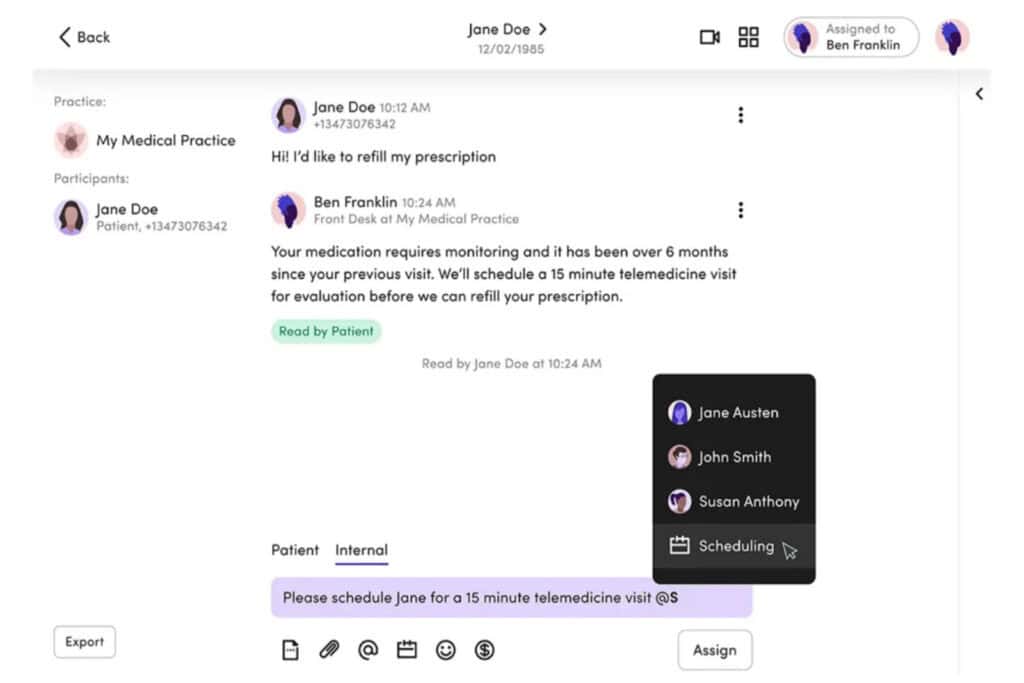
Klara is a patient communication platform that centralizes secure messaging, intake forms, and appointment coordination into one interface. It streamlines front-desk workflows and reduces phone volume by enabling two-way patient conversations through text-based channels.
Key Features
- Patient messaging: Centralizes all patient communication into one secure, HIPAA-compliant inbox.
- Intake automation: Sends forms digitally before appointments, reducing front-desk work.
- Secure chat: Enables real-time messaging without exposing protected health information.
Integrations
Klara integrates with leading EHR systems, including ModMed, Nextech, and athenahealth, enabling message data to sync directly into the patient record.
Pros
- Intuitive messaging interface.
- Strong HIPAA compliance.
- Reduces inbound phone volume.
- Good EHR integration options.
Cons
- Communication-focused.
- No lead capture or acquisition tools.
- Limited drip sequences.
Good For
Clinics focusing on improving patient communication efficiency.
8. Tebra
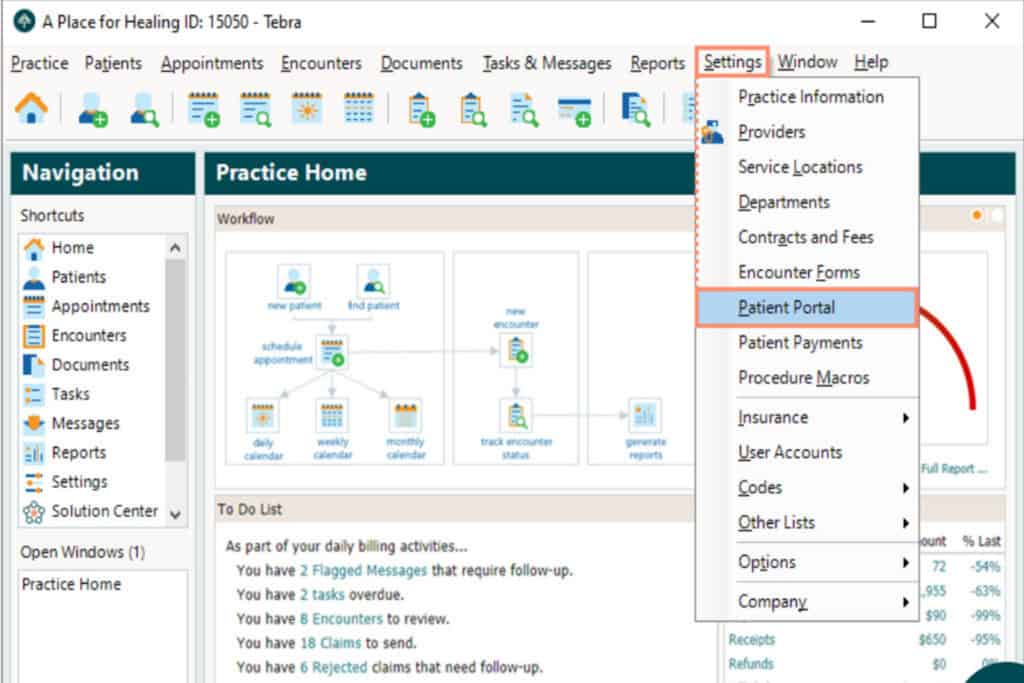
Tebra was formed from the merger of Kareo (medical billing and EHR) and PatientPop (digital marketing for practices). The combined platform gives independent practices a path from practice management to patient acquisition, though the integration between the two legacy systems can feel uneven.
Key Features
- Online Scheduling: Enables patients to book directly from search and the practice website.
- Billing Automation: Streamlines insurance claims and patient billing in one system.
- Patient Engagement: Sends automated reminders, recalls, and satisfaction surveys.
Integrations
Tebra integrates with labs, pharmacies, clearinghouses, and select third-party marketing tools through its platform ecosystem.
Pros
- Combines billing and marketing.
- Good fit for insurance-based small practices.
- Solid online scheduling tools.
- Recognizable brand.
Cons
- Integration between Kareo and PatientPop can feel disjointed.
- Limited depth for aesthetic workflows.
- Inconsistent support experiences.
Good For
Small independent medical practices that need billing automation and basic digital marketing.
9. Clarify Health
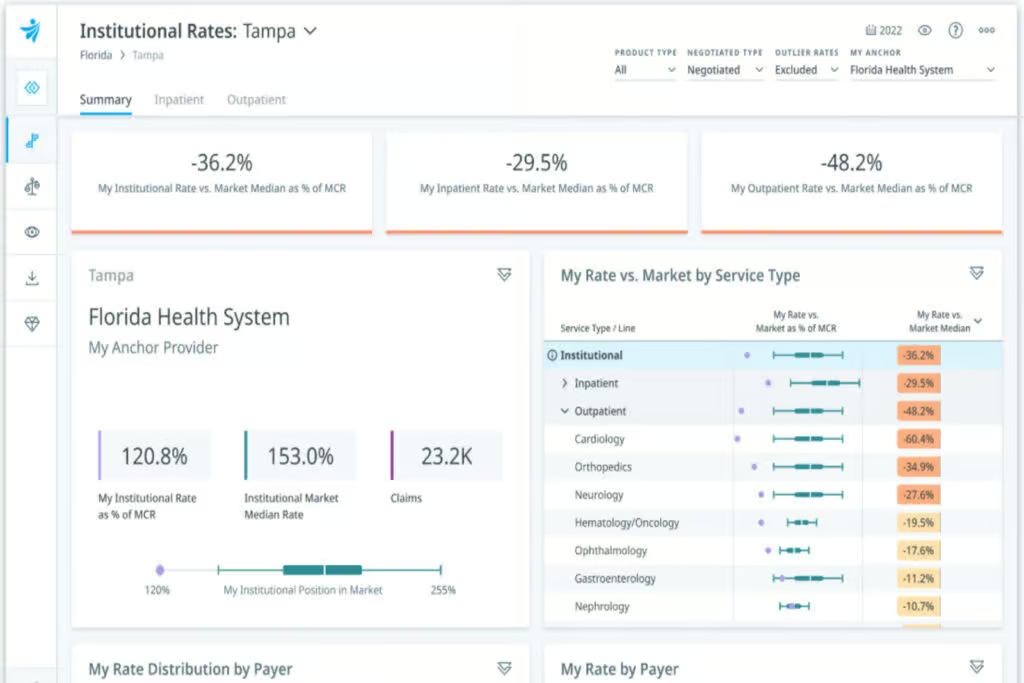
Clarify Health is an analytics-first platform for health systems and value-based care organizations, using AI to surface care pathway insights, predict patient risk, and attribute outcomes to specific interventions. It operates more as a population health intelligence tool than a traditional marketing automation platform.
Key Features
- Predictive analytics: Identifies high-risk patient populations before they disengage from care
- Care pathway insights: Surfaces which healthcare journeys drive the best clinical and financial outcomes.
- Attribution: Connects specific outreach and interventions to measurable patient outcomes.
Integrations
Clarify Health connects with major EHR platforms and claims data sources, typically through enterprise data agreements with health systems.
Pros
- Deep predictive analytics for population health.
- Sophisticated care attribution capabilities.
- Good fit for value-based care contracts.
- Actionable insights from claims and clinical data.
Cons
- No direct patient outreach tools.
- Enterprise only.
- Unsuitable for aesthetic workflows.
Good For
Large hospital systems and ACOs operating under value-based care models.
10. Steer Health
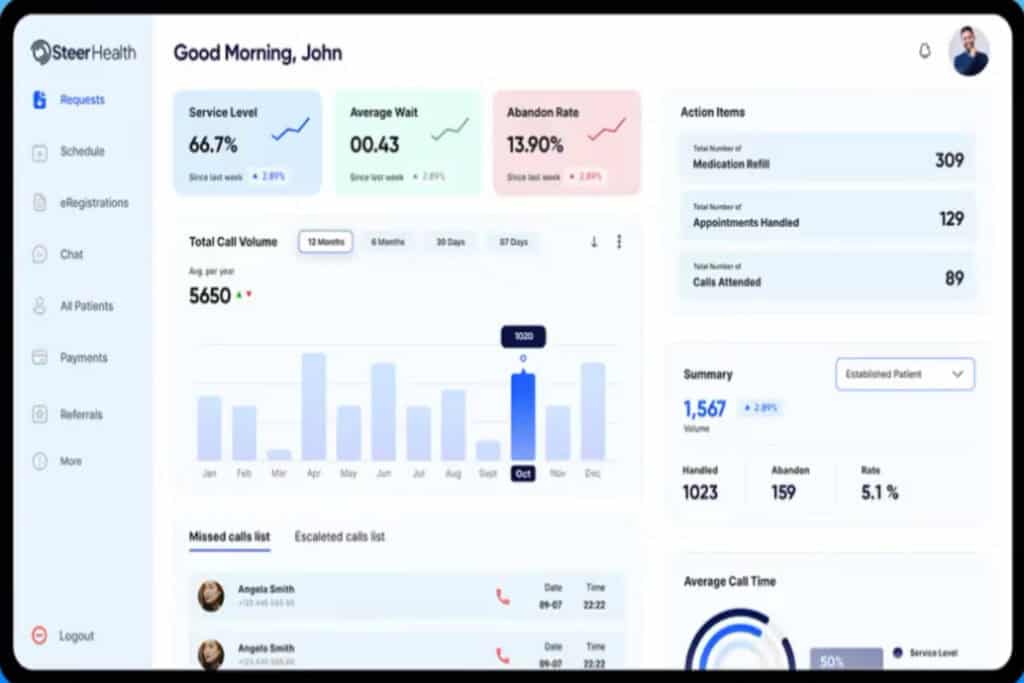
Steer Health is an AI-based patient engagement platform built for hospital systems and multi-specialty groups. It focuses on care navigation, patient reactivation, and automated campaign execution, helping larger healthcare organizations reduce leakage and improve care utilization across service lines.
Key Features
- AI Care Navigation: Guides patients to the right care pathway using intelligent automation.
- Campaign Automation: Runs targeted outreach to specific patient cohorts across multiple channels.
- Patient Reactivation: Re-engages lapsed patients before they seek care elsewhere.
Integrations
Steer Health integrates with major EHR platforms, including Epic, Cerner, and Athena, through its enterprise integration layer.
Pros
- Strong AI-driven care navigation.
- Good fit for large multi-specialty systems.
- Effective patient reactivation tools.
- Integrates with major EHR platforms.
Cons
- Too complex.
- Not designed for cash-pay workflows.
- Requires substantial IT resources to implement.
Good For
Health networks and multi-specialty groups that need enterprise-grade patient engagement.
How do you choose the best healthcare marketing automation platform?
Here’s what to look for when choosing an ideal marketing automation solution for your practice.
1. Match the platform to your practice type. General platforms and salon-first platforms lack the clinical depth that aesthetic, and wellness practices need. So, look for tools built specifically for your specialty.
2. Prioritize true all-in-one functionality. Managing 4–6 separate tools is costly and inefficient. A unified platform for EMR, marketing, scheduling, and payments can reduce friction and total cost of ownership.
3. Evaluate automation depth, not just feature lists. Look for platforms where AI handles lead follow-up, booking, and patient nurturing without requiring manual intervention from your team.
4. Confirm HIPAA compliance across all modules. Not every platform covers all features under HIPAA. So, verify that messaging, forms, and patient data handling all meet compliance requirements in your chosen platform.
5. Check for U.S.-based support and onboarding. Offshore or delayed support creates costly downtime. So, prioritize vendors with accessible, industry-knowledgeable support teams available in your time zone.
Stop Managing Software and Start Growing Your Practice
The right healthcare marketing automation platform does more than send emails. It fills your schedule, nurtures leads instantly, improves retention, and gives you clear visibility into revenue and performance. For med spas, plastic surgery centers, and aesthetic practices, PatientNow stands apart as a purpose-built solution. It unifies clinical-grade EMR, AI automation, and a full marketing suite in one platform with transparent pricing. No fragmented tools. No hidden add-ons. Just measurable growth backed by 20+ years of aesthetics-only expertise. Ready to see PatientNow in action? Schedule a demo with us today.
Frequently Asked Questions
Got questions? Here are answers to the questions aesthetic practice owners ask most.
1. What is the best healthcare marketing automation platform for med spas?
PatientNow stands out because it’s built exclusively for aesthetic practices. It combines AI automation, a clinical-grade EMR, inventory management, and a full marketing suite in one system. You don’t have to pay extra for costly add-ons, common with competitors.
2. What can be automated with a healthcare marketing automation platform?
Top platforms automate lead capture, follow-ups, online booking, SMS/email drip campaigns, review requests, recalls, reactivation, loyalty programs, and inventory reorders. PatientNow’s AI Concierge (Recura) also answers calls and web leads in under 30 seconds and books appointments automatically.
3. How does a healthcare marketing automation platform differ from general marketing software?
General marketing tools like HubSpot are industry-agnostic and require customization for healthcare compliance. Whereas a healthcare-specific marketing automation platform like PatientNow is HIPAA-compliant by default and integrates directly with charting, scheduling, injection tracking, e-prescribing, and patient records.
4. Do healthcare marketing automation platforms need to be HIPAA-compliant?
Yes. Any tool handling patient names, appointments, or health data must be HIPAA-compliant. Compliance applies to every feature, not just the core product.
5. Can marketing automation replace a marketing agency for a med spa?
Often, yes. PatientNow delivers agency-level tools like lead generation, campaigns, reputation management, social posting, and AI content without a retainer. Some practices report retention increasing from 45% to 80%+ and revenue doubling over time.
Explore this post
Book a demo to see PatientNow in action