

Table of Contents
Quick summary
Marketing automation brings balance to the modern wellness practice. It streamlines routine tasks, keeps schedules steady, and supports patient engagement without adding staff. But platforms like PatientNow, Vagaro, and Boulevard show how automation can create more room for care, efficiency, and sustainable growth.
Why does automation still feel so manual in most wellness practices?
Running a wellness practice calls for balancing care, communication, and growth. Yet too many systems and too little time can disrupt that balance. Manual follow-ups slip, and hours spent confirming appointments turn marketing into a reaction.
Not every marketing automation tool fits a clinical environment. Some sacrifice patient experience for efficiency. Others ask teams to juggle disconnected systems, fracturing the patient journey.
This guide explores tools that foster calm control, reduce manual work, and elevate every patient experience.
Why listen to us
At PatientNow, we’ve partnered with wellness and aesthetic practices for over two decades. We’ve seen teams outgrow spreadsheets, stitch together disconnected tools, and strive for consistency as they grow. But as PatientNow connects marketing, scheduling, intake, charting, payments, and communication in one clinical-grade platform, we understand how these pieces must function together day to day. This perspective shapes how we evaluate automation tools, focusing on what truly works inside a busy wellness practice.
The 28 Best Marketing Automation Tools for Wellness Practices
| # | Tool | Core automation strengths | Good fit for |
| 1 | PatientNow | Scheduling-aware automation across CRM, EMR, payments, and marketing | End-to-end wellness practices |
| 2 | Boulevard | Client messaging, memberships, reminders | Brand-driven med spas |
| 3 | Vagaro | Basic reminders and promotions | Budget-conscious practices |
| 4 | Zenoti | Centralized enterprise workflows | Large multi-location brands |
| 5 | AestheticsPro | Charting, compliance, reminders | Medical-first practices |
| 6 | Jane App | Scheduling and reminders | Small clinics |
| 7 | Phorest | Loyalty programs and campaigns | Salon and wellness hybrids |
| 8 | HubSpot | Highly customizable workflows | Dedicated marketing teams |
| 9 | Mailchimp | Newsletter and campaign automation | Email-only use cases |
| 10 | ActiveCampaign | Segmentation and email automation | Email-centric marketing |
| 11 | Klaviyo | Email and SMS automation | Promotional messaging |
| 12 | Salesforce Marketing Cloud | Advanced multi-channel campaigns | Enterprise marketing orgs |
| 13 | Drip | Trigger-based email automation | Behavioral email workflows |
| 14 | Keap | CRM-led email and SMS workflows | Small businesses with sales focus |
| 15 | Podium | Messaging and review requests | SMS-first communication |
| 16 | SimplePractice | Scheduling and reminders | Mental health and wellness |
| 17 | Mindbody | Class reminders and memberships | Fitness and class-based models |
| 18 | Spruce Health | HIPAA-compliant communication | Secure patient messaging |
| 19 | Brevo | Basic multi-channel automation | Cost-sensitive email/SMS |
| 20 | GoHighLevel | Funnels and SMS automation | Agency-led marketing |
| 21 | SharpSpring | Email automation and lead tracking | Structured marketing teams |
| 22 | Thryv | Scheduling plus basic campaigns | Small service businesses |
| 23 | Tebra (formerly Kareo) | Operational and billing workflows | Healthcare billing-focused practices |
| 24 | NexHealth | Reminders and digital intake | Access and intake optimization |
| 25 | Solutionreach | Recalls and reminders | Patient retention |
| 26 | Weave | Calls, texting, reminders | Front-desk communication |
| 27 | Demandforce | Retention and reviews | Recall-driven practices |
| 28 | Zoho Marketing Automation | Email workflows and lead scoring | Budget automation stacks |
1. PatientNow
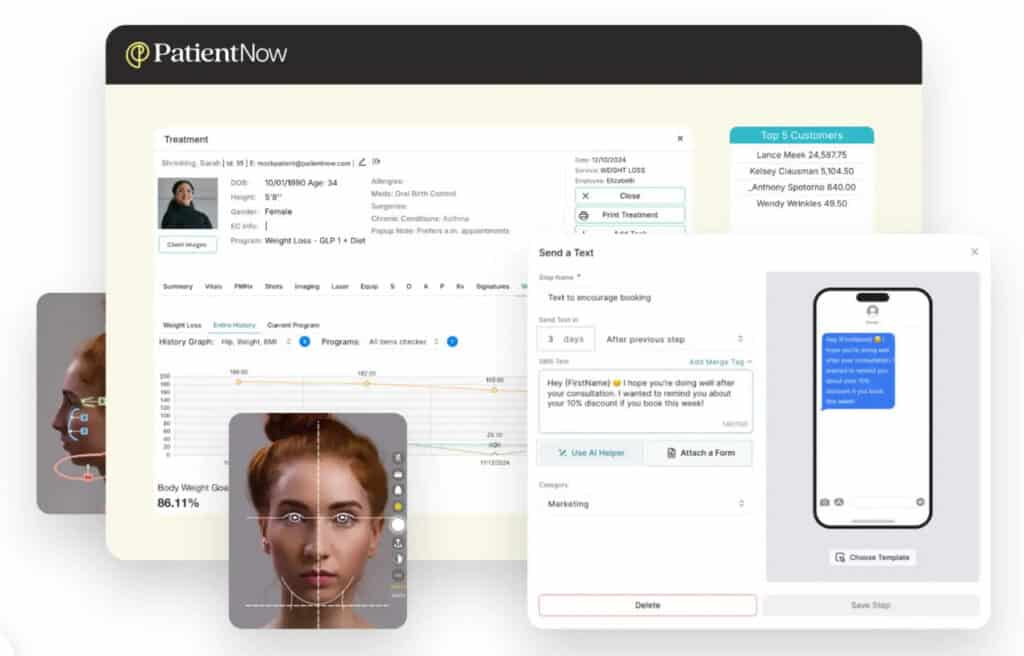
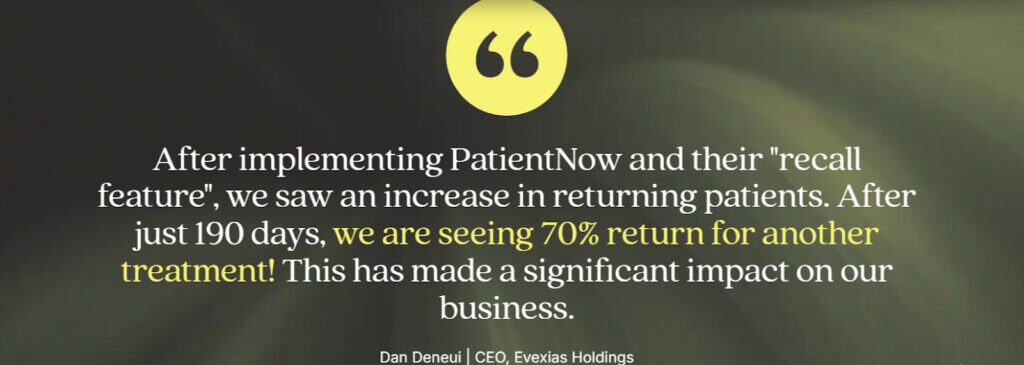
PatientNow treats marketing automation as part of the full patient journey rather than a standalone promotional layer. Automation connects lead intake, scheduling, follow-ups, recalls, and payments in one seamless system, built for wellness and aesthetic workflows.
As marketing, CRM, EMR, imaging, and financial tools operate together, automation responds to real patient behavior, such as appointments booked, treatments completed, or memberships renewed. This approach avoids relying on disconnected triggers that come from separate systems.
Key features
- Automated lead follow-up and patient nurturing.
- Online booking with intelligent waitlists and reminders.
- Two-way SMS and email automation.
- AI-powered scheduling, rescheduling, and recall workflows.
- Integrated CRM, EMR, payments, memberships, and reporting.
- Campaign segmentation based on visit history, service mix, or lifecycle stage.
Pros
- Automation spans the full patient journey instead of isolated touchpoints.
- Admin work is reduced because scheduling, marketing, and operations are unified.
- Patient communication stays coordinated as volume increases.
- Designed specifically for wellness, med spa, and aesthetic growth models.
Con
- More comprehensive than lightweight tools.
2. Boulevard
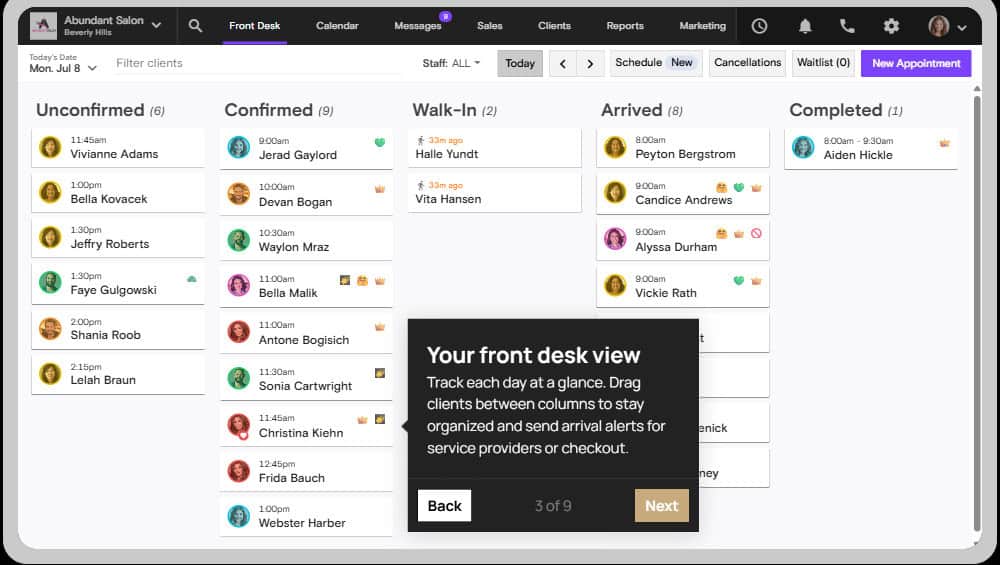
Boulevard focuses on patient-facing communication and brand presentation for med spas and wellness practices. Its automation centers on appointment reminders, promotional messaging, memberships, and basic client engagement.
Key features
- Automated appointment confirmations and reminders.
- Membership and loyalty messaging.
- Promotional campaigns tied to services.
- Integrated payments and POS.
- Branded client communication tools.
- Self-booking, client profiles, and integrated checkout.
Pros
- Consistent, polished patient communication.
- Membership features suit recurring services.
- The interface is user-friendly for front-desk teams.
Cons
- Limited clinical and operational depth.
- Automation is rule-based and message-centric.
- May require additional systems for records, charting, or advanced workflows.
- Add-ons such as forms or accounting integrations can increase total cost and fragmentation.
- Designed around scheduling and engagement rather than end-to-end clinical journey orchestration.
3. Vagaro
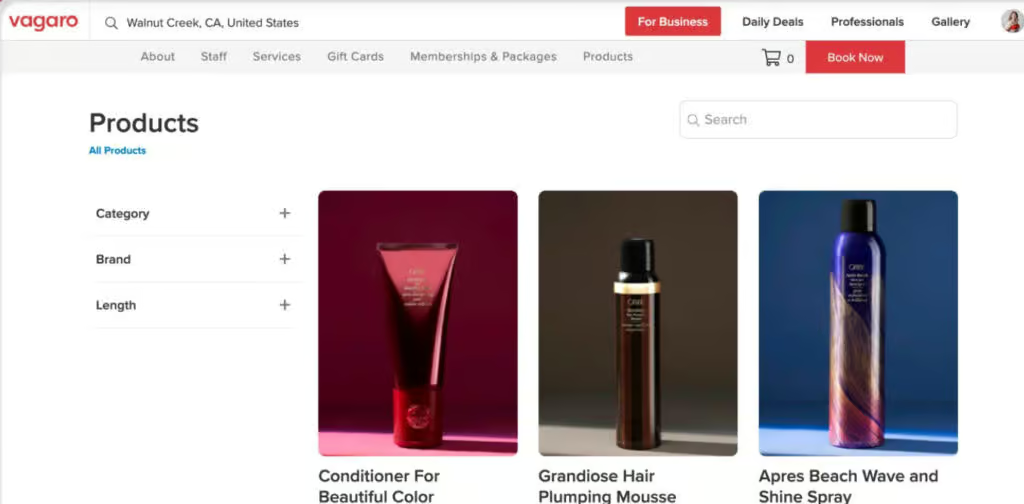
Vagaro provides entry-level automation focused on reminders and basic promotions. It includes simple email and SMS campaigns tied to appointments and services. This setup can reduce manual reminders for smaller practices but often becomes restrictive as patient volume grows.
Key features
- Automated email and SMS reminders.
- Basic promotional campaigns.
- Online booking and calendar management.
- Service-based discounts and offers.
Pros
- Low barrier to entry for small service businesses.
- Covers fundamental scheduling and basic reminder workflows.
- Familiar to many wellness operators.
- Built-in booking and POS support common operational needs.
Cons
- Automation logic is limited and inflexible.
- Marketing tools remain basic unless expanded through add-ons or upgrades.
- Limited clinical depth for medical or aesthetic workflows.
- Minimal visibility toward broader patient journeys.
- Users report learning curves for advanced features and occasional outages that disrupt operations.
- Becomes restrictive as patient volume advances.
4. Zenoti
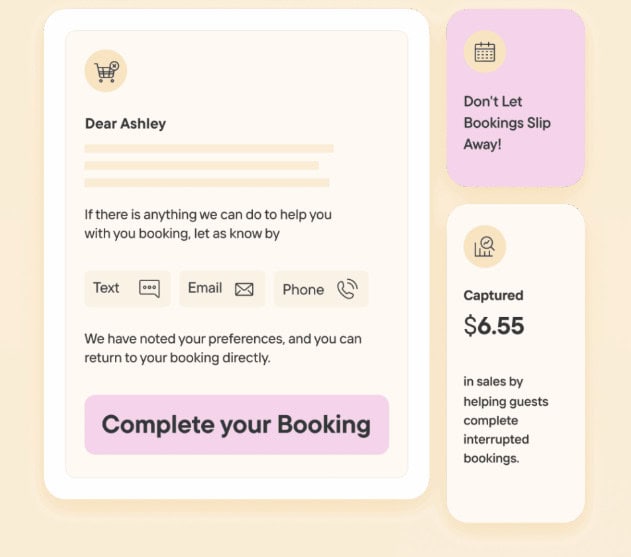
Zenoti is designed for large, multi-location wellness brands. Its automation supports centralized campaigns, customer segmentation, and standard workflows across locations. These capabilities assume enterprise-level operational maturity.
Key features
- Multi-location campaign automation.
- Centralized customer segmentation.
- Loyalty and retention programs.
- Enterprise reporting and analytics.
- Integrated payments and operations.
Pros
- Supports complex, multi-location structures.
- Centralized control for large organizations.
- Detailed reporting.
Cons
- Long implementation timelines.
- Requires dedicated staff or consultants.
- Steep learning curve and training requirements.
- Overbuilt for independent or mid-sized practices.
- Workflow rigidity can limit flexibility for smaller teams.
- Higher total cost of ownership from configuration and support needs.
5. AestheticsPro
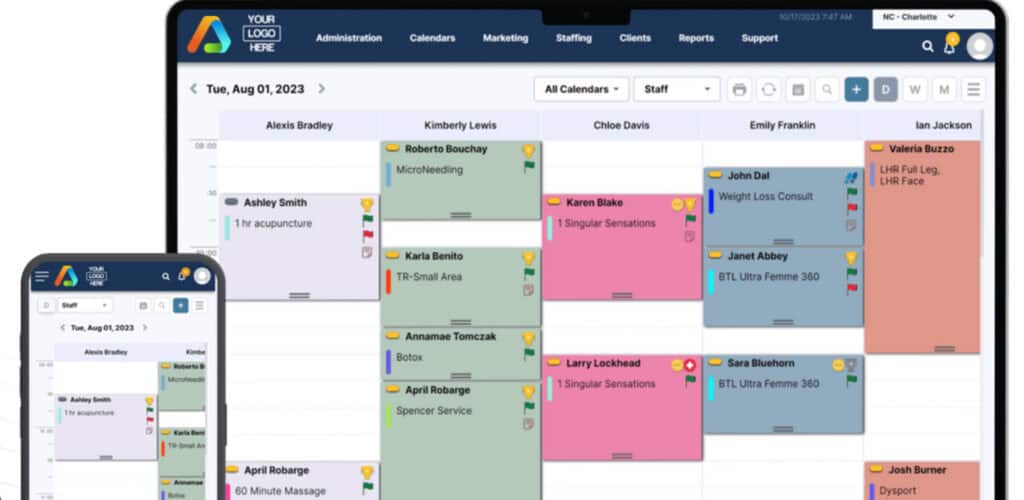
AestheticsPro emphasizes accurate clinical records and compliance, with automation for reminders and appointments, and built-in marketing to support patient engagement.
Key features
- Clinical charting and patient records.
- Appointment reminders.
- Basic email and SMS communication.
- Compliance and reporting tools.
Pros
- Strong clinical documentation tools.
- Reliable record-keeping and compliance support.
- Fits medically focused practices.
Cons
- Marketing automation is limited in scope.
- Navigation feels clunky compared to modern alternatives.
- Patient engagement workflows remain fragmented.
- Often paired with external marketing tools for growth needs.
- Intake forms and workflows can be rigid or cumbersome to modify.
- Inconsistent customer support experiences.
6. Jane App
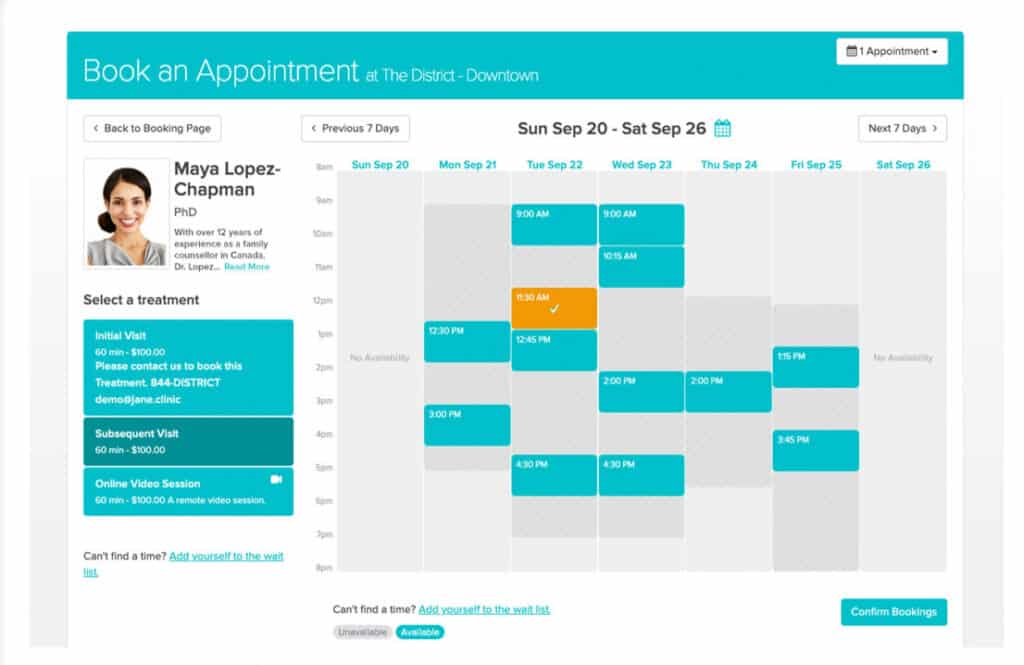
Jane App offers light automation centered around scheduling and reminders. Its interface is intentionally simple, enabling fast adoption by small clinics, and automation offers basic appointment communication, and workflows.
Key features
- Automated appointment reminders via email/SMS.
- Online booking and scheduling.
- Basic patient messaging.
- Simple reporting, and schedule views.
Pros
- Easy for staff to adopt.
- Reliable scheduling and reminders.
- Minimal setup is required for basic practice needs.
Cons
- Very limited marketing automation.
- No segmented or behavior‑based workflows.
- Requires additional tools for retention or re-engagement.
- Not designed for aesthetic‑specific workflows.
- Scaling limitations.
- Fragmented tool needs.
7. Phorest
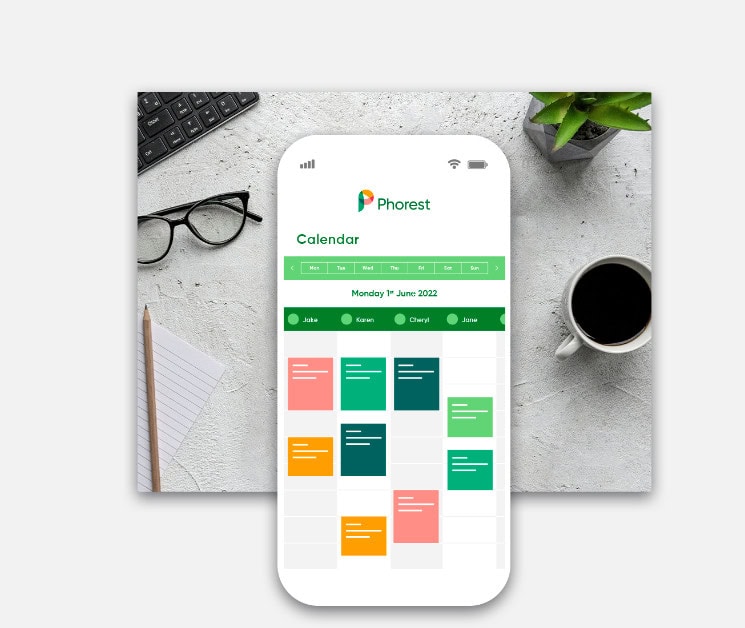
Phorest combines marketing campaigns with loyalty and retention tools. Automation focuses on promotions, memberships, and repeat-visit messaging. However, it is generally better suited to wellness practices that operate closer to salon-style business models.
Key features
- Automated campaigns and promotions.
- Loyalty and membership programs.
- Rebooking reminders.
- Marketing performance reports and analytics.
Pros
- Supports loyalty-driven engagement.
- Straightforward campaign setup.
- Familiar with hybrid wellness or salon‑type services..
Cons
- Limited clinical functionality.
- Automation remains marketing-led.
- Less flexible for medically complex services.
- Requires additional systems for patient care workflows.
- Automation depth constrained.
- Not optimized for self‑pay, elective care journeys.
8. HubSpot
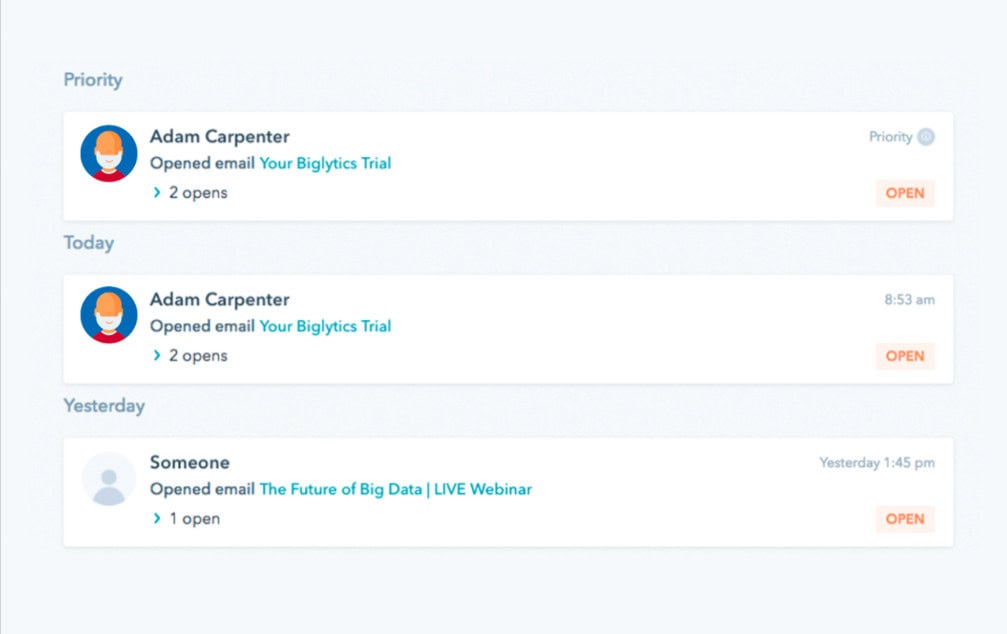
HubSpot provides customizable automation through its CRM and marketing tools. Workflows can be adapted for patient communication through manual configuration. While not wellness-native, its flexibility lets teams create personalized clinical and engagement processes to fit their unique needs.
Key features
- Custom automation workflows across email, tasks, and engagement triggers.
- CRM with segmentation, and lifecycle management tools.
- Email campaigns, performance reporting, and analytics.
- Integration-based SMS support.
- Extensive app ecosystem for third‑party extensions.
Pros
- Highly configurable workflows.
- Strong segmentation features.
- Suitable for dedicated marketing teams.
Cons
- Not a unified platform.
- No built-in wellness or clinical context.
- Needs considerable customization.
- Can increase admin overhead without careful governance.
- Limited patient engagement for clinical journeys.
- Scaling challenges for solo or small practices.
9. Mailchimp
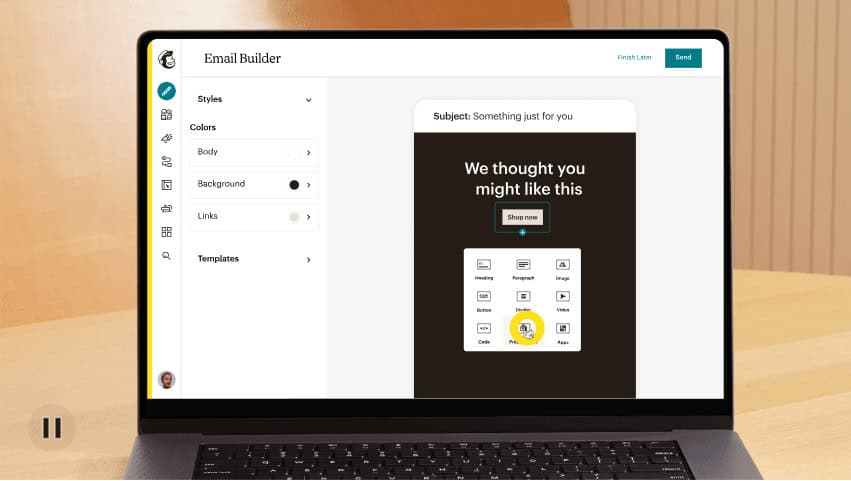
Mailchimp is an email automation and marketing tool designed to support newsletters, promotions, and basic automated journeys. While effective for general email outreach, its automation operates independently from scheduling, clinical workflows, or patient records.
Key features
- Email campaign automation and scheduling.
- Audience segmentation and tagging.
- Pre‑built templates and design tools.
- Reporting and analytics on email performance.
- Simple customer journey builders for basic automated flows.
Pros
- Easy to use for email-only needs.
- Low initial cost for small mailing lists.
- Familiar interface for general marketers.
Cons
- No integration with scheduling or care workflows.
- Restricted awareness of patient lifecycle stages.
- Becomes insufficient for coordinated experiences.
- Limited engagement beyond email.
- No built‑in clinical context.
- Fragmented data.
10. ActiveCampaign
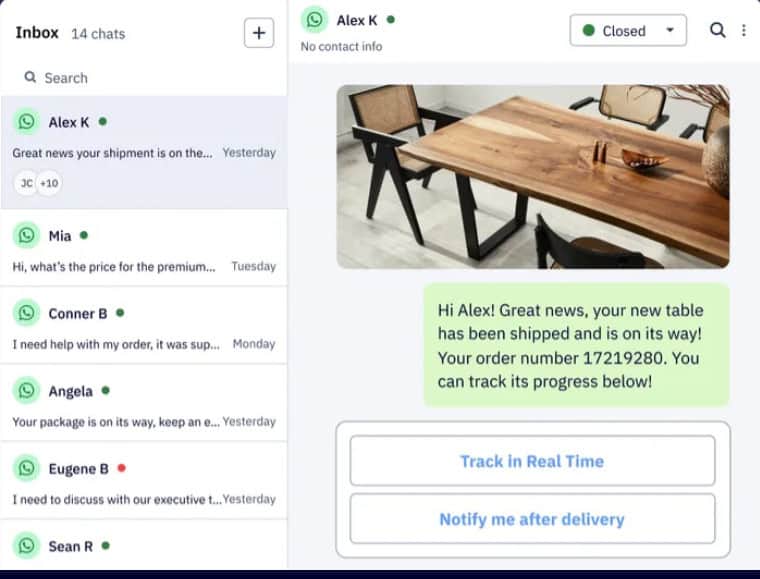
ActiveCampaign is a marketing automation platform commonly used for email marketing and basic CRM workflows. Some wellness practices use it to manage newsletters, promotions, and follow-up sequences outside their booking or clinical systems. While automation is flexible, it often operates independently from scheduling and care workflows.
Key features
- Email marketing automation and sequencing.
- Contact segmentation, scoring, and tagging.
- Basic CRM functionality.
- Campaign reporting and analytics.
- Automated follow‑ups and engagement triggers.
Pros
- Flexible email automation logic.
- Strong segmentation options.
- Suitable for practices with dedicated marketing oversight.
Cons
- Not wellness- or healthcare-native.
- No awareness of scheduling or treatment context.
- Requires integrations or manual processes to match operations.
- Fragmented patient engagement.
- Limited multi‑channel support.
- Scaling challenges.
11. Klaviyo
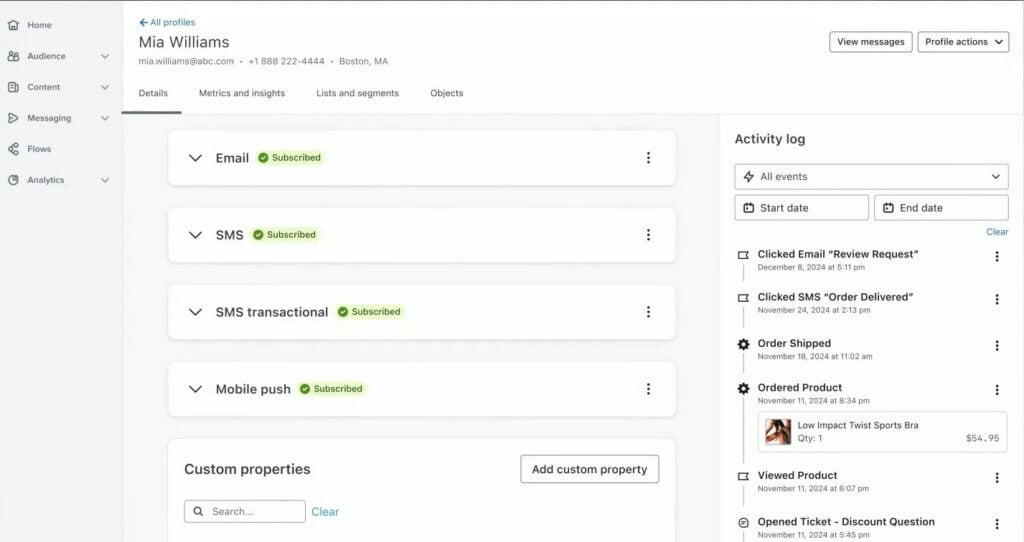
Klaviyo is an email and SMS automation platform originally built for e-commerce. Some wellness brands use it for promotional messaging and re-engagement campaigns, but its strength remains in messaging.
Key features
- Email and SMS automation.
- Audience segmentation, and behavioral targeting.
- Campaign analytics, and performance reporting.
- Integration-based data syncing with CRM or other systems.
Pros
- Strong messaging automation capabilities.
- Detailed segmentation options.
- Familiar interface for marketing teams.
Cons
- Built for e-commerce, not wellness workflows.
- No native scheduling or care awareness.
- Requires external systems to manage patient context.
- Messaging‑centric focus limits clinical engagement.
- Fragmented patient engagement experience.
- Added costs for multi‑channel use.
12. Salesforce Marketing Cloud
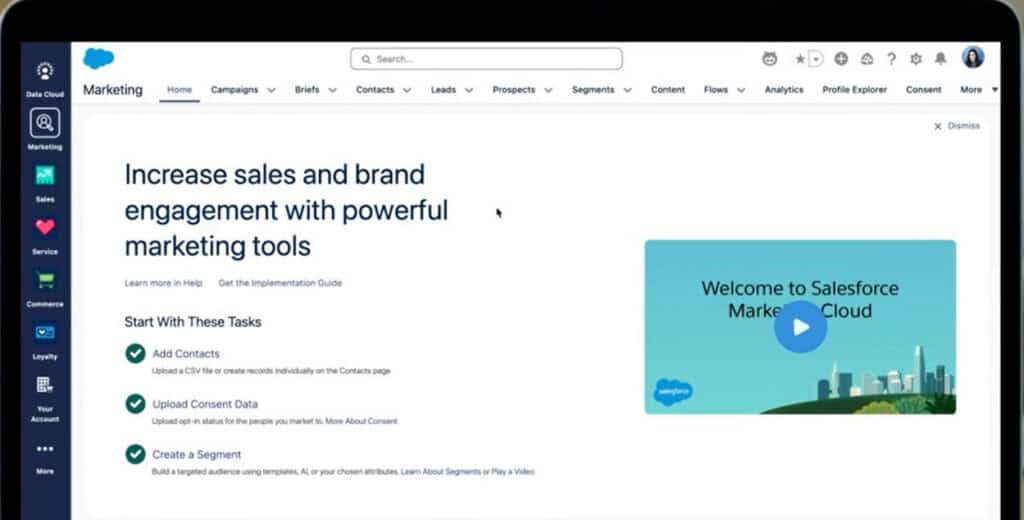
Salesforce Marketing Cloud is an enterprise marketing automation platform used by large organizations with complex campaign needs. Some multi-location wellness brands adopt it as part of a wider Salesforce ecosystem, but it is not designed specifically for wellness practices.
Key features
- Advanced campaign automation across email, mobile, social, and digital channels.
- Multi-channel messaging.
- Enterprise segmentation, personalization, and analytics.
- CRM-driven marketing workflows tied to Salesforce data models.
- Predictive and AI‑driven insights for audience engagement.
Pros
- Supports highly complex marketing operations.
- Deep customization capacity for large teams.
- Scales across large organizations.
Cons
- Not wellness-specific.
- Heavy implementation and governance requirements.
- Overbuilt for most independent practices.
- Disconnected from clinical and operational systems by default.
- High total cost of ownership.
- Complex user experience.
13. Drip
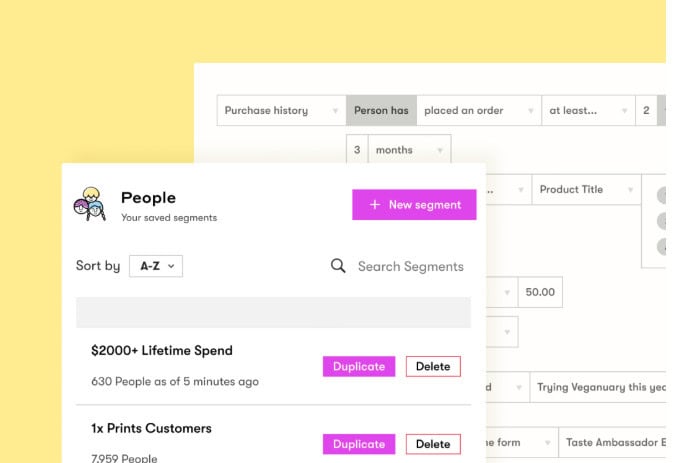
Drip is an automation platform focused on email workflows and behavioral triggers. It is occasionally used by wellness practices for promotions and content-based engagement, but automation remains primarily messaging‑centric.
Key features
- Email workflow automation.
- Behavioral triggers based on subscriber actions.
- Subscriber segmentation.
- Campaign reporting and analytics.
Pros
- Straightforward automation setup.
- Behavioral triggers support targeted messaging.
- Lower cost than enterprise tools.
Cons
- Limited beyond email automation.
- No integration with scheduling or care systems.
- Not designed for patient lifecycle management.
- Requires additional systems.
14. Keap
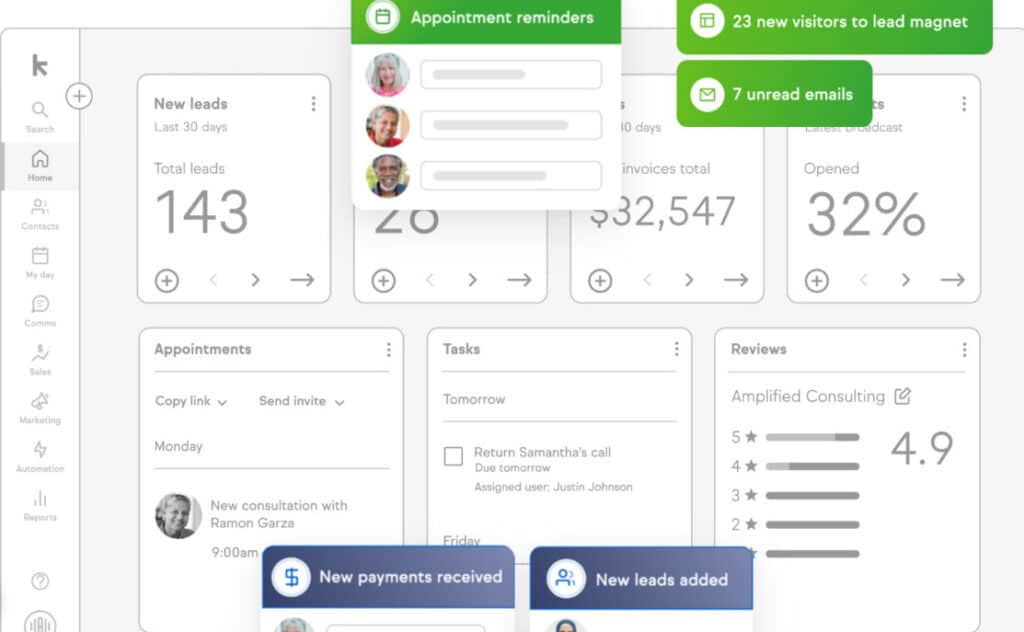
Keap combines CRM and marketing automation for small businesses. Some wellness practices use it to manage leads, campaigns, and follow-ups outside their practice software, but automation primarily targets sales and marketing workflows.
Key features
- CRM and contact management.
- Email and SMS automation.
- Visual campaign builder for automated sequences.
- Reporting and performance analytics.
Pros
- Combines CRM and marketing automation in one tool.
- Visual campaign builder.
- Suitable for structured follow-up processes.
Cons
- Not designed for wellness or clinical use.
- Requires manual coordination with scheduling tools.
- Can feel complex for non-marketing staff.
- Limited patient lifecycle awareness.
- Requires additional systems for full workflows.
- Scaling and cost constraints.
15. Podium
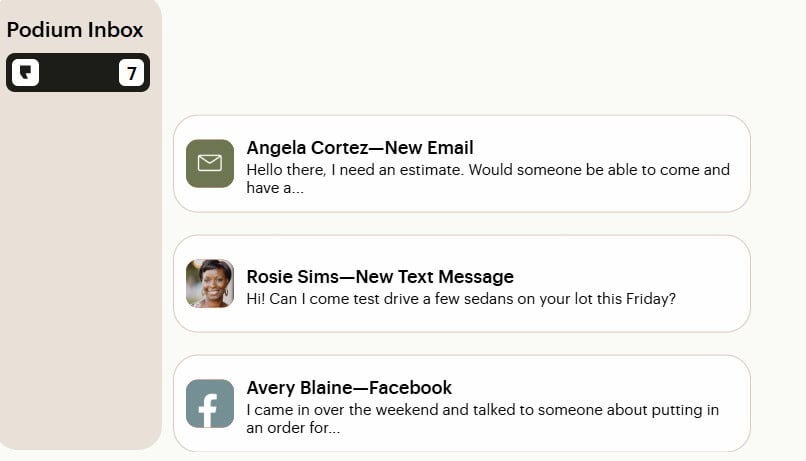
Podium focuses on messaging, reviews, and customer communication. Some wellness practices use it to automate SMS outreach and review requests, but its automation supports communication consistency.
Key features
- Two-way SMS messaging, and chat features.
- Automated review requests, and reputation tools.
- Payment messaging, and invoicing notifications.
- Centralized customer inbox for messages across channels.
Pros
- Centralized interface for customer messaging.
- Supports review generation workflows.
- Familiar SMS-first experience.
Cons
- Limited marketing automation depth.
- No scheduling or treatment context.
- Often paired with other systems.
- Not designed for intake, or clinical workflows.
- Often paired with other systems.
- Limited automation triggers.
- Additional cost for multi‑channel use.
16. SimplePractice
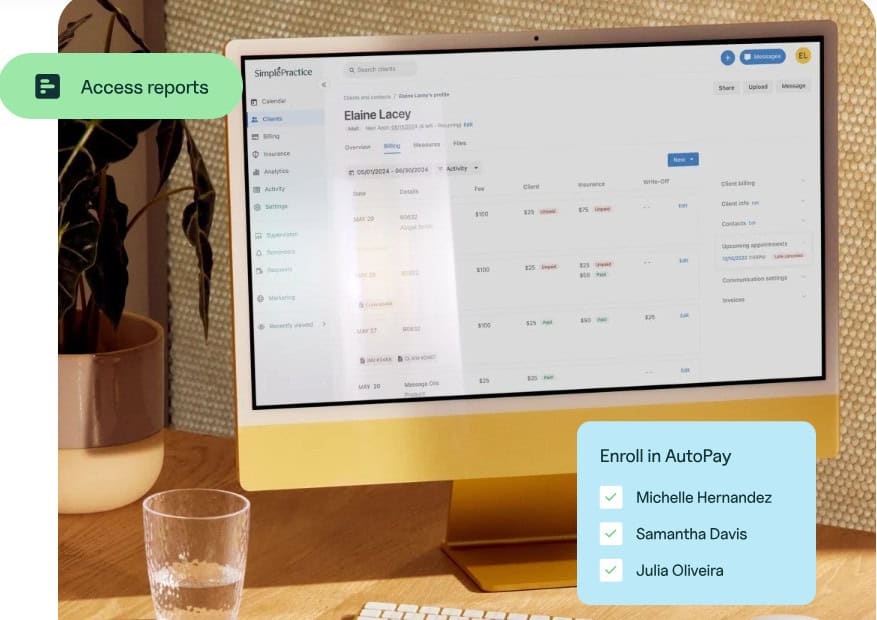
SimplePractice is a practice management system commonly used in mental health and wellness settings. While its marketing automation features are limited, it includes basic automation tools such as appointment reminders and client communication.
Key features
- Appointment scheduling and calendar management.
- Scheduled reminders via email/SMS.
- Client messaging, and secure telehealth.
- Practice management tools, including documentation and billing.
Pros
- Reliable scheduling and reminders.
- Designed for healthcare environments.
- Easy setup for basic operations.
Cons
- Minimal marketing automation.
- Limited lifecycle engagement tools.
- Not built for proactive patient nurturing.
- Not optimized for aesthetic or wellness‑centric workflows.
- Integration gaps.
- Requires additional marketing tools.
17. Mindbody
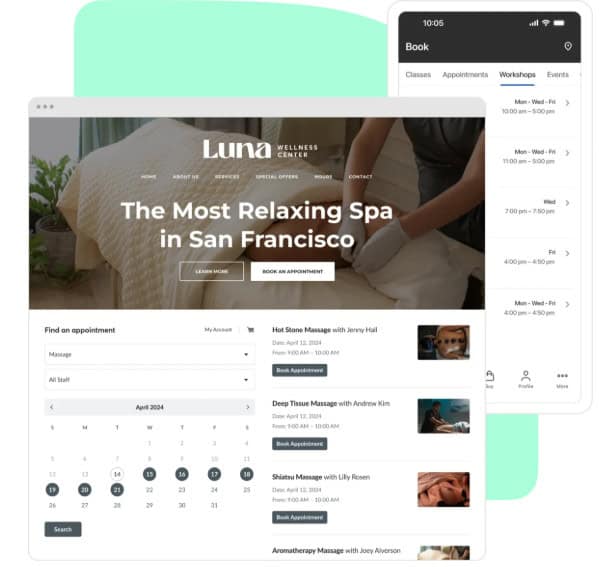
Mindbody is widely used in fitness and wellness businesses. Its automation focuses on class and appointment reminders, promotions, and membership management, making it best suited for high‑volume, class‑based, or service‑oriented models.
Key features
- Automated class and appointment reminders.
- Membership and package management.
- Promotional campaigns, and client notifications.
- Reporting, and analytics tools.
- Client app, and online booking.
Pros
- Supports high‑volume, class‑driven wellness and fitness models..
- Handles memberships packages, and client retention workflows.
- Part of a broad ecosystem familiar to many wellness operators.
Cons
- Limited clinical depth.
- Automation remains rule-based.
- Less flexible for medical wellness services.
- Requires additional systems for full patient journeys.
- Overbuilt for non‑class‑based practices.
18. Spruce Health
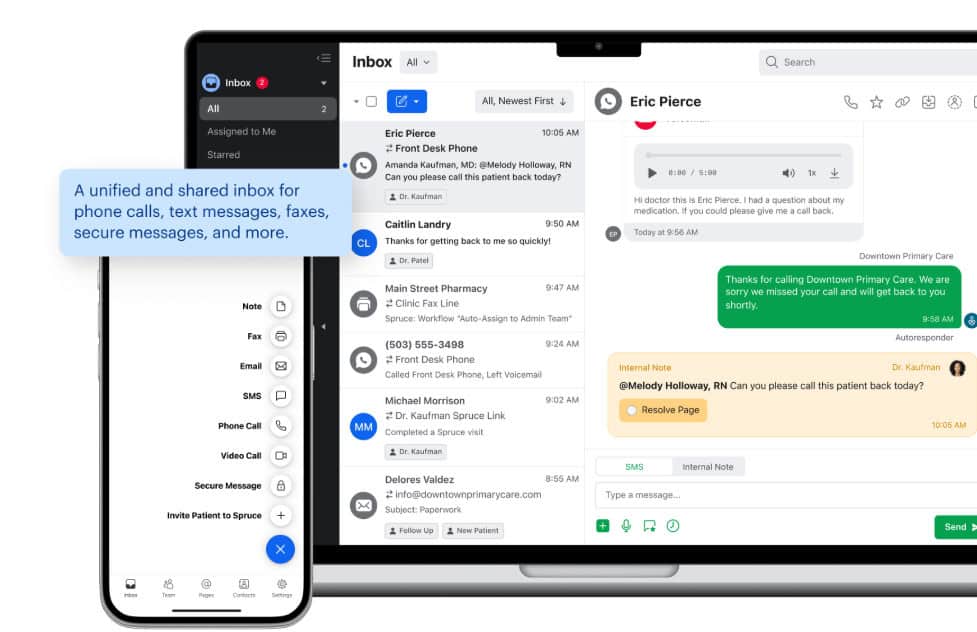
Spruce Health focuses on secure patient communication with automation that supports consistent messaging in healthcare settings. It’s often used alongside other systems because its capabilities are centered on communication.
Key features
- Secure HIPAA-compliant messaging.
- Automated notifications, and reminders.
- Team inbox for unified communication.
- Support for photos, video, and document sharing.
Pros
- Designed for compliant healthcare communication.
- Simple to deploy for practices needing unified messaging.
- Familiar interface for basic patient outreach.
Cons
- Minimal marketing automation.
- No scheduling or CRM depth.
- Not built for intake or clinical workflows.
- Requires additional tools for engagement workflows.
- Fragmented patient context.
- Restricted automation triggers.
19. Brevo
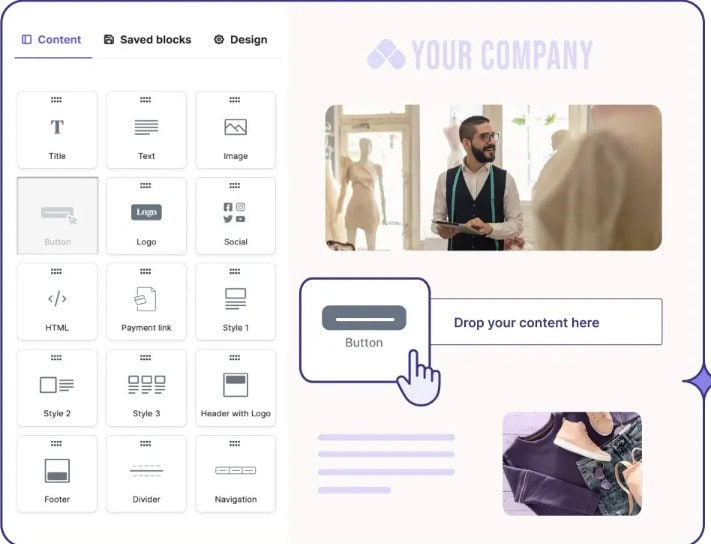
Brevo provides email and SMS automation for small businesses, and some wellness practices use it mainly for newsletters and promotional campaigns. Its automation is centered on messaging efficiency, making it more suitable for basic outreach rather than clinical or operational management.
Key features
- Email and SMS campaign automation.
- Workflow-based automation and segmentation.
- Contact management and reporting dashboards.
- Templates for marketing communications.
Pros
- Affordable messaging automation.
- Multi-channel communication support.
- Simple setup for basic outreach.
Cons
- Not wellness-native.
- Limited patient lifecycle awareness.
- Automation operates independently from scheduling and care systems.
- Template builder and transactional setup may feel restrictive.
- Some users reported documentation and API consistency issues.
- Some users reported suspension or delivery frustrations when scaling campaigns.
20. GoHighLevel
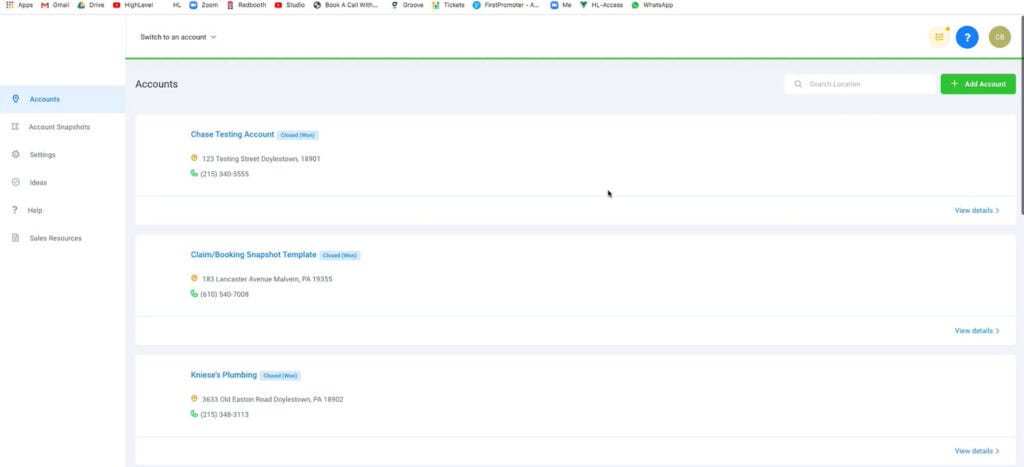
GoHighLevel is a marketing platform used for funnels, messaging, and lead workflows. Its automation is primarily marketing-driven and while it does not include clinical or practice management features, it is often used for promotions and follow-ups.
Key features
- Email and SMS automation.
- Funnel and landing page builder.
- Contact management, and CRM pipelines.
- Campaign workflows, and lead tracking.
Pros
- Combines multiple marketing tools in one platform.
- Flexible workflow builder.
- Useful for practices running high-volume promotions.
Cons
- Not designed for wellness or clinical workflows.
- Requires thorough customization to align with healthcare use.
- Can introduce compliance and governance challenges.
- Learning curve and complexity reported by users.
- Occasional glitches and usability friction noted in reviews.
21. SharpSpring
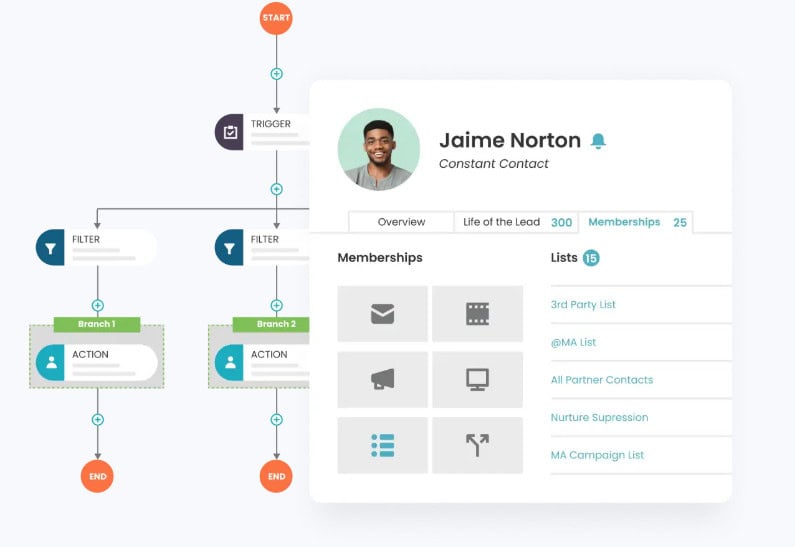
SharpSpring (now often positioned within broader marketing platforms following acquisitions/rebranding) is a marketing automation system centered on email campaigns, lead tracking, and CRM capabilities. It’s sometimes used by wellness brands with internal marketing resources, and its automation is primarily built around sales lead behavior.
Key features
- Email marketing and automation workflows.
- Lead tracking, scoring, and behavioral monitoring.
- Built-in CRM functionality.
- Campaign analytics, and reporting dashboards.
Pros
- Strong behavioral tracking across campaigns.
- Built-in CRM capabilities.
- Suitable for structured marketing programs.
Cons
- Not wellness-native.
- No scheduling, treatment progress, or clinical outcomes.
- Higher cost for limited operational alignment.
- Requires integrations or manual coordination to align with patient operations.
- Can demand marketing expertise or partner support to implement effectively.
- Focused on lead lifecycle rather than full patient journey management.
22. Thryv
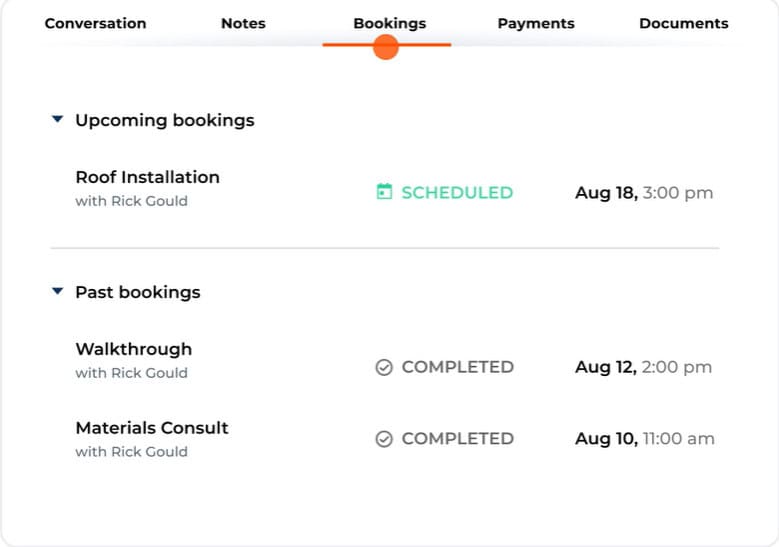
Thryv is a small-business management platform that combines scheduling, payments, and basic marketing automation. Some wellness practices use it as a general-purpose system, as its automation and workflows are built for service businesses rather than healthcare-specific operations.
Key features
- Appointment scheduling, and calendar tools.
- Email and SMS reminders.
- Basic marketing campaigns, and contact management.
- Payments, invoicing, and customer database.
Pros
- Combines multiple business tools into one system.
- Reduces the need for separate scheduling and invoicing tools.
- Simple setup to implement for general service businesses.
Cons
- Automation depth is limited and largely marketing-centric..
- Minimal patient lifecycle logic or clinical workflow awareness.
- Not built for clinical environments.
- May require external systems for charting, consent, or treatment coordination.
- Contracts and ecosystem structure can make integrations or transitions restrictive.
23. Tebra (formerly Kareo)
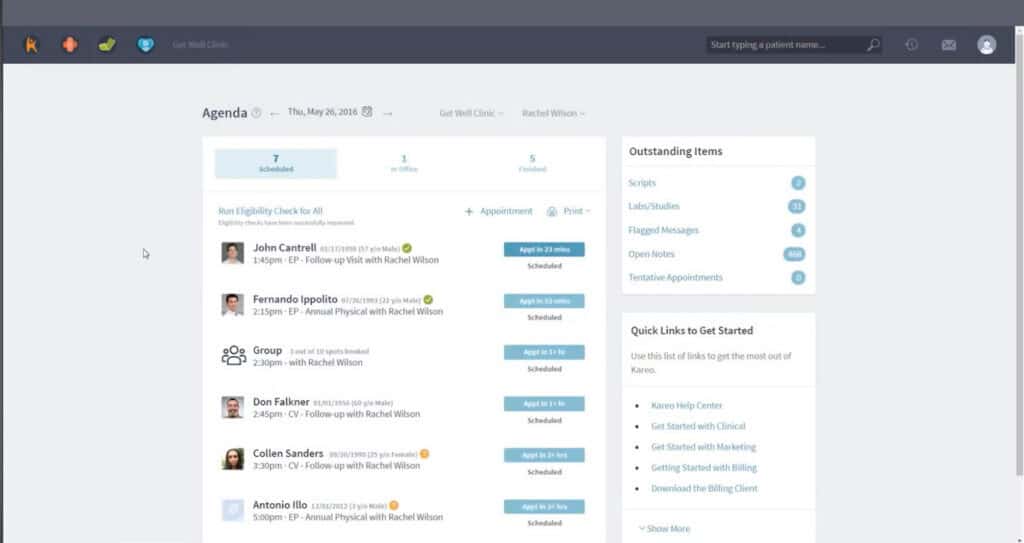
Tebra is a healthcare practice management system primarily focused on billing and clinical operations for private medical practices. Its automation features primarily support reminders and communication, and it is often supplemented with separate marketing tools.
Key features
- Practice management, charting, and billing tools.
- Appointment reminders, and patient communication.
- Reporting, and operational analytics.
Pros
- Designed for healthcare administrative workflows.
- Strong billing and operational tools.
- Supports compliance, and document structures.
Cons
- Minimal marketing automation.
- Limited engagement workflows.
- Often supplemented with external marketing tools.
- Implementation and training can be time-intensive due to platform rigidity and complexity.
24. NexHealth
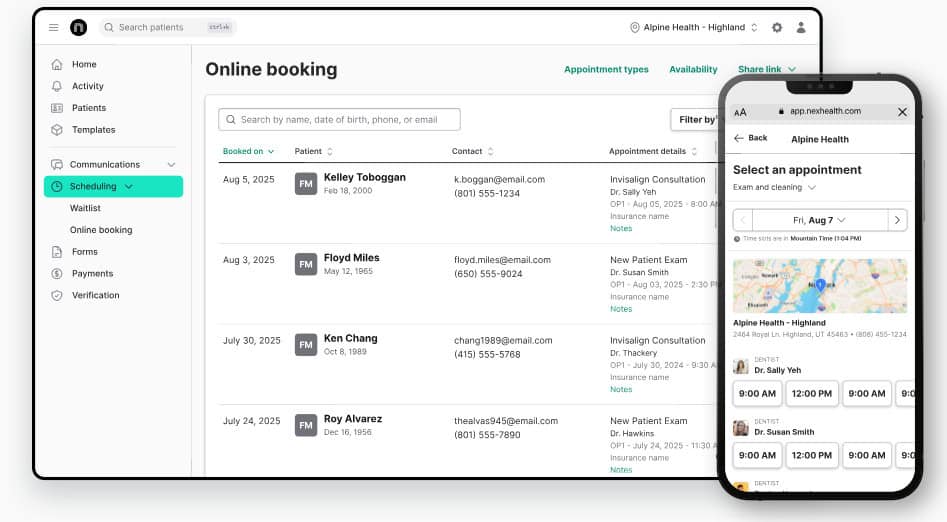
NexHealth focuses on patient experience and communication, particularly in medical facilities. Its automation supports reminders, messaging, scheduling, and intake processes. However, its marketing capabilities are limited compared to platforms built specifically for campaign management and retention.
Key features
- Automated appointment reminders.
- Digital forms and intake.
- Two-way messaging.
- Online scheduling.
- Payment and EHR connectivity.
Pros
- Healthcare-focused communication tools.
- Improves intake and appointment workflows.
- Integrates with clinical systems through EHR synchronization.
- Supports digital engagement and workflow efficiency
Cons
- Limited marketing automation depth.
- Focused more on access than engagement.
- Requires additional tools for business growth plans.
- Not specifically tailored to aesthetic or wellness marketing journeys.
- Often requires complementary systems for workflows.
25. Solutionreach
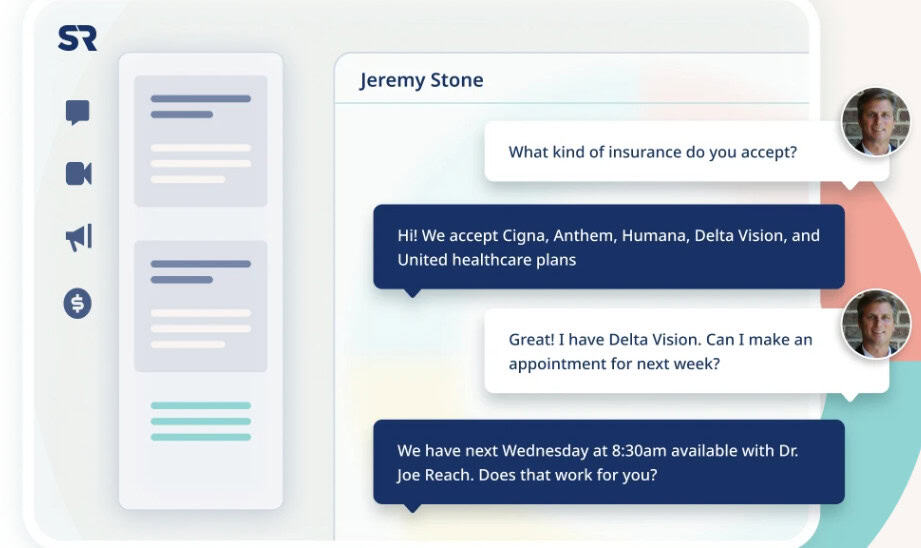
Solutionreach specializes in patient engagement for medical providers. It often has to be used in conjunction with external tools as the automation primarily centers on reminders, recalls, and surveys.
Key features
- Automatic appointment reminders and recalls.
- Patient satisfaction surveys, and reputation tools.
- Two-way messaging
- Basc engagement analytics, and reporting.
Pros
- Healthcare-specific engagement tools.
- Strong recall and reminder workflows.
- Familiar with medical, and dental practices.
Cons
- Limited marketing campaign flexibility.
- Minimal CRM depth, and lead-management capability.
- Often paired with other systems.
- Reporting focuses on communication metrics rather than revenue or growth insights.
- Not built as an end-to-end patient acquisition and growth platform.
26. Weave
Weave focuses on communication, reminders, and patient collaboration, and its automation supports call handling and messaging.
Key features
- Automatic appointment reminders.
- Two-way texting, and messaging.
- Call tracking, recording, and handling tools.
- Review request automation.
- VoIP phone integration and basic analytics.
Pros
- Centralized patient communication.
- Improves phone and messaging workflows.
- Easy for front-desk teams to adopt.
Cons
- Limited marketing automation depth, and segmentation.
- No lifecycle-based or multi-stage patient engagement workflows.
- Requires additional tools for wider engagement.
- Minimal campaign management and personalization tools.
- Reporting and analytics less robust than full-growth platforms.
- Integration scope can be restrictive depending on PMS/EMR setup.
27. Demandforce
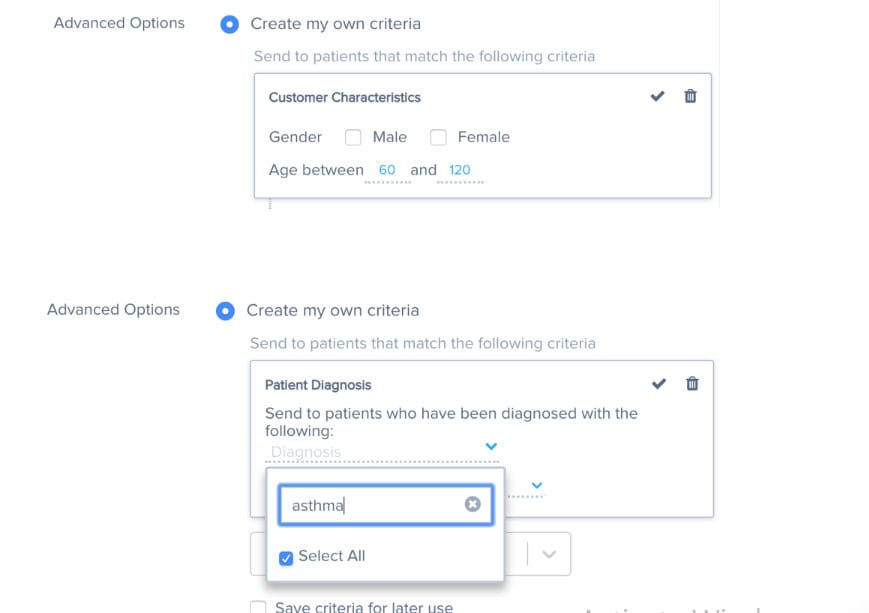
Demandforce is a patient engagement platform focused on reminders, recalls, and reviews. It is commonly used in dental and wellness-adjacent practices, with automation primarily supporting retention activities.
Key features
- Automatic appointment reminders, and recalls.
- Review generation, and reputation tools.
- Email and SMS communication.
- Reporting, and analytics dashboards.
- Appointment confirmations and scheduling integrations.
Pros
- Strong recall and retention focus.
- Designed for medical providers.
- Decreases manual reminder work.
- Familiar toolset for smaller practices.
Cons
- Primarily retention-focused.
- Limited campaign flexibility.
- Minimal CRM and segmentation depth.
- Not designed for complex patient journeys.
- Marketing or revenue tools may require separate solutions.
28. Zoho Marketing Automation
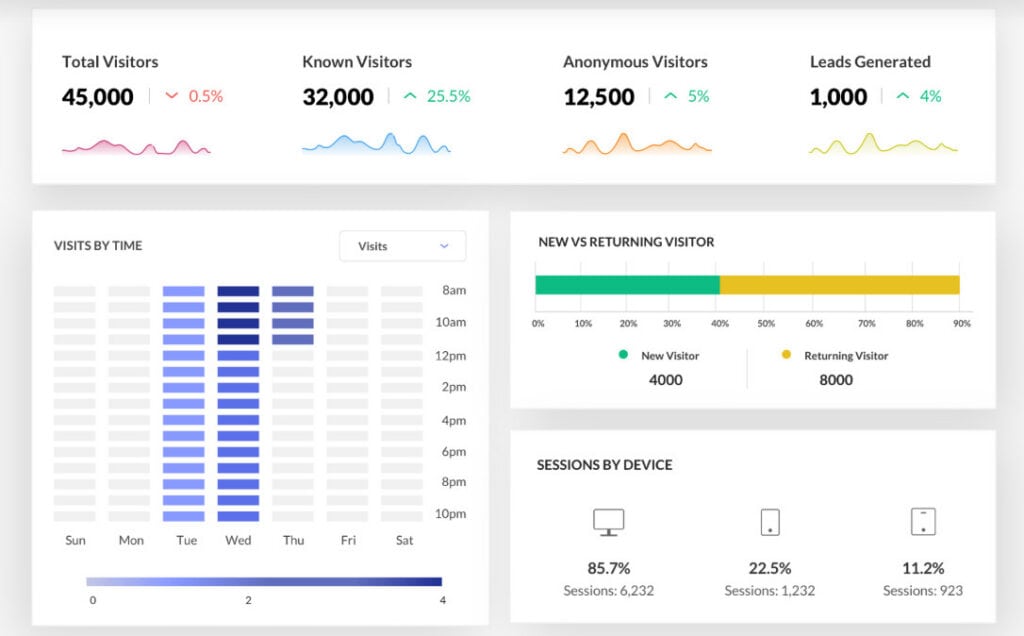
Zoho Marketing Automation is part of the wider Zoho ecosystem. Some wellness practices use it alongside Zoho CRM for email campaigns and workflow automation, but it is not built specifically for wellness or aesthetic practice management.
Key features
- Email marketing automation.
- Lead scoring, targeting, and segmentation.
- Workflow automation for campaigns.
- Analytics and reporting for campaigns.
Pros
- Low-cost entry point for basic email campaigns.
- Integrates with Zoho CRM for central lead tracking.
- Flexible workflow options with custom configuration.
Cons
- Not native to wellness or aesthetic practices.
- Requires configuration to reflect practice workflows.
- Limited support for lifecycle-based patient engagement or retention campaigns.
- No built-in awareness of scheduling, treatments, or patient care context.
- Campaigns remain email-centric.
- Often requires additional systems for patient management, intake, or clinical coordination.
Choosing automation that reduces work without disrupting care
Most marketing automation tools focus on sending messages and reminders, often separate from scheduling or patient care. PatientNow, however, connects marketing, scheduling, EMR, payments, and clinical workflows in one system. Its automation responds to real practice events, like canceled appointments or lapsed patients. So, outreach is timely and meaningful, without extra staff effort. PatientNow’s automation doesn’t just push messages.
It acts intelligently across the practice, unlike tools such as Vagaro, Boulevard, or ActiveCampaign, which rely on static, isolated workflows. Practices benefit from AI-powered scheduling, recalls, and follow-ups, guaranteeing patient engagement is meaningful, timely, and clinically relevant. If your priority is calm control, a lighter administrative load, and automation that respects the clinical environment, pick PatientNow for your next stage of growth.