Quick summary
Looking for cosmetic practice management software that can scale beyond early-stage needs? This guide reviews the 10 best Moxie alternatives for cosmetic practices in 2026, including PatientNow, Nextech, Tebra, ClinicSense, and AdvancedMD.
While Moxie is often chosen for its simplicity, many growing practices outgrow its limitations. Below, we compare platforms that offer deeper functionality, stronger automation, and more room to scale, and explain why PatientNow stands out for established and growth-focused aesthetic practices.
5 best Moxie alternatives shortlist
Of the ten platforms reviewed, these five stood out for how well they support real-world cosmetic workflows at scale:
- PatientNow: all-in-one platform for aesthetic medicine operations, marketing, and patient engagement
- Symplast: mobile-first EHR for patient-facing interactions
- Nextech: for integrated business support across multi-location practices
- ModMed: for AI-assisted clinical documentation in specialty care
- Tebra: for administrative efficiency in smaller, general medical practices
Moxie alternatives for scaling practices
Cosmetic practices manage hundreds of daily touchpoints, from bookings and payments to charting, compliance, follow-ups, and marketing. When those functions live across disconnected tools, workflows fracture, teams slow down, and patient experience suffers.
Since launching in 2022, Moxie has built a reputation for ease of use and approachable workflows, particularly for independent med spa owners. However, user feedback consistently suggests that Moxie’s feature depth and CRM flexibility can feel limiting as patient volume increases and operations become more complex.
This guide explores Moxie alternatives designed to support growth, not just get practices started.
Why listen to us?
PatientNow has spent over two decades supporting cosmetic practices with software built specifically for aesthetics. Our platform combines EMR, practice management, patient engagement, and marketing automation into one cohesive system designed to scale.
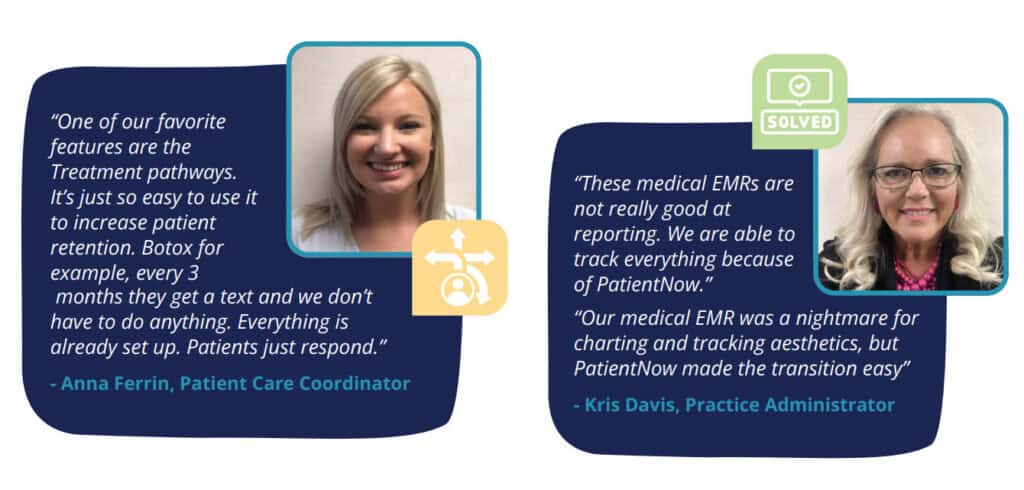
In one example, a Denver-based vein and wellness clinic transitioned to PatientNow to automate follow-ups, reduce manual work, and unlock new revenue channels. The result was higher patient growth and more predictable revenue without adding operational complexity.
Our recommendations reflect firsthand experience supporting practices that have moved beyond entry-level systems and require software that keeps pace with growth.
Drawing on firsthand experience supporting cosmetic practices, we analysed features, pricing, and usability to identify med spa management platforms that truly streamline operations and support growth.
What to Look for in a Moxie Alternative
Moxie was designed to address the unique needs of independent medical spa owners, combining clinical software with built-in marketing tools. Today, it supports over 500 aesthetic practices across the U.S.
The platform is often praised for its ease of use and strong workflow management tools. But it may be better suited to early-stage practices.
While Moxie handles core communication and tracking, it is lighter on customization and depth. User feedback suggests gaps in advanced features, and some report that parts of the interface feel dated.
Moxie alternatives for clinics with higher patient volumes, multiple providers, or complex operations should prioritise the following markers:
1. Modern UI
A clean, intuitive, and regularly updated interface reduces staff training time, improves daily efficiency, and minimizes friction during high-volume workflows.
2. Advanced CRM
Deeper client segmentation, automation, and analytics enable practices to personalize patient journeys, improve outcomes, and gain clearer insight into marketing and revenue performance.
3. Scalable Workflows
Flexible workflows that adapt to growth or expansion—such as multi-location support, provider-specific scheduling, and customizable processes—help practices scale smoothly
Top 10 Best Moxie Alternatives
This lineup summarizes key features, pros, cons, and pricing plans of the best Moxie alternatives in 2026. Here, you'll find information on what makes them worth the investment and the aspects that raise some concern.
Comparison Table
ToolStrengthsStarting PriceKey StrengthG2 RatingPatientNowAll-in-one med spa operations, especially marketing and patient engagement.Custom pricingAI integrations, and advanced photography and marketing tools. 4.0/5NextechIntegrated business & clinical software needs.Custom pricingSpecialty-specific clinical workflows and upsell support.4.3/5TebraStreamlined administrative tasks and integrated billing and scheduling.Custom pricingOnline booking, analytics, and strong marketing tools.4.1/5ClinicSenseSimple charting and scheduling functions. $39 per monthSOAP charting templates and custom financial reporting.4.0/5AdvancedMDManaging financial workflows for large practices.Custom pricingCore billing and coding management, automated EHR, and patient monitoring.3.6/5Praxis AI-driven adaptive charting for mid-sized clinics.$219 per monthTemplate-free AI charting and intuitive interface.4.7/5SymplastMobile-first med spa and plastic surgery practices.$300 per monthMobile EHR, real-time patient app, and KPI analytics.4.0/5ModMedAI-powered workflow at specialty clinics.Custom pricingAmbient listening, mobile support, and revenue cycle management.4.5/5EHR Your WayTreatment planning at mental health practices.$800 per monthPatient portal, customizable therapy notes, and recurring session scheduling.4.7/54D EMRCentralized patient information management for aesthetic practices.$650 per monthPhoto storage, video consultations, and charting templates. -
1. PatientNow
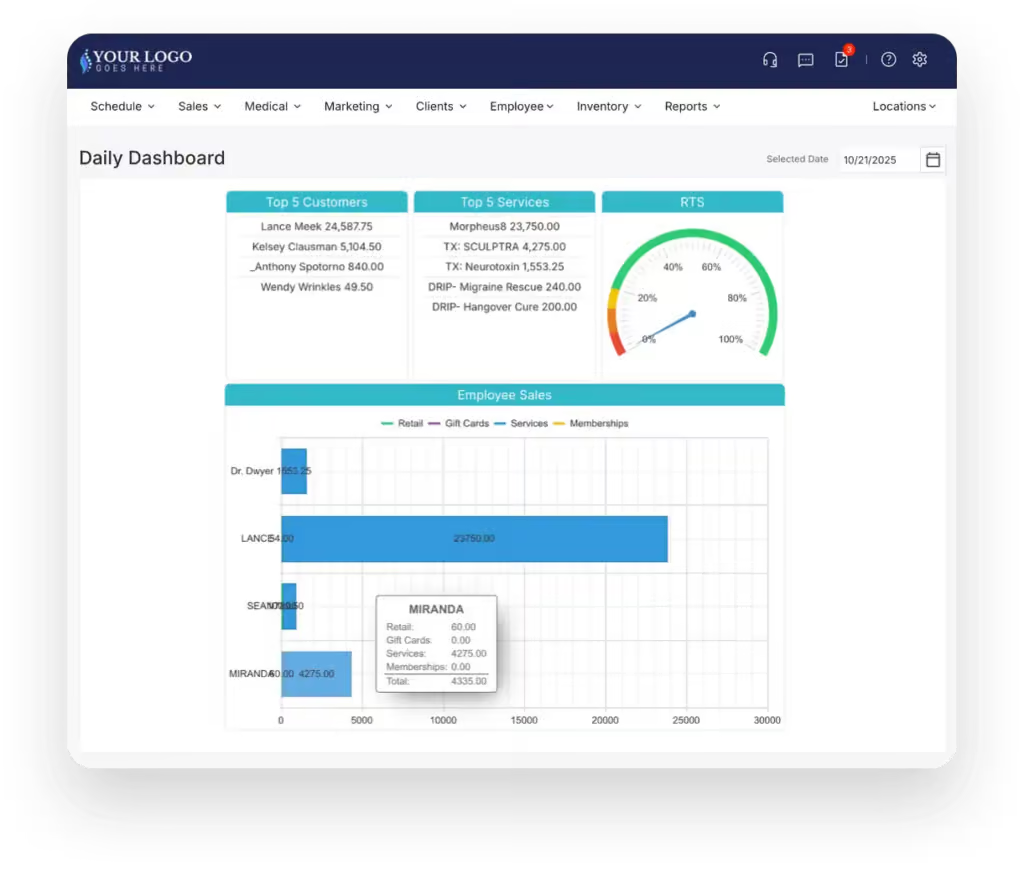
PatientNow is an industry-leading web-based medspa management software platform. It uses advanced health information management technology to save time and cost for aesthetic and wellness practices, including plastic surgery and dermatology.
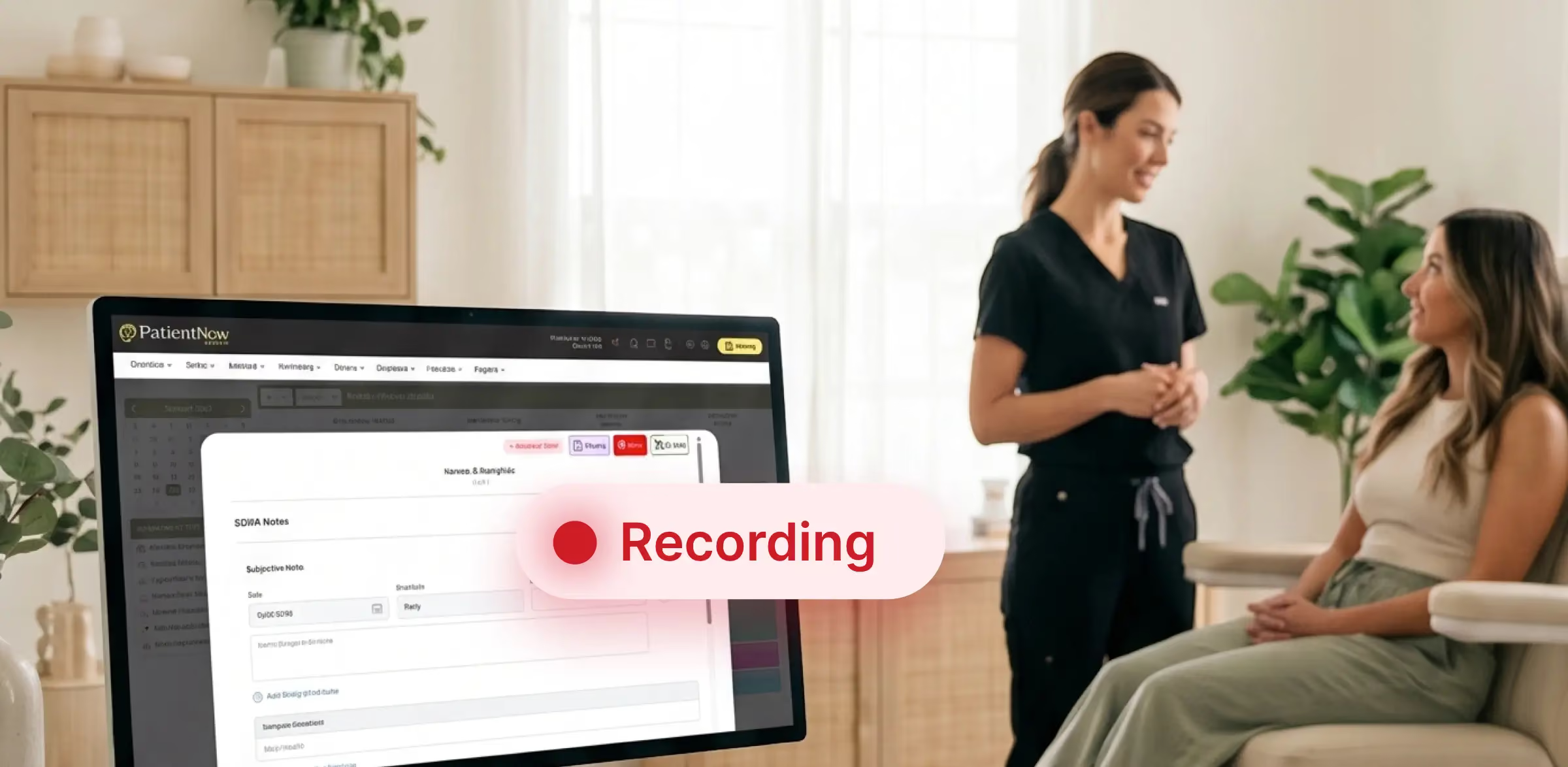
The platform offers ONC-ATCB Certified EMR software for patient record management, integrated practice management, and an intuitive UI with AI tools that maximize productivity.
Key Features
- Automated Marketing: AI-powered SMS and email sequences, customizable templates, and a lead generation website.
- Conversion Services: Easily import files from your current management system or paper files using the BarcodeNow program.
- Electronic Medical Records (EMR): Document and manage client medical records securely with data encryption and role-based access control.
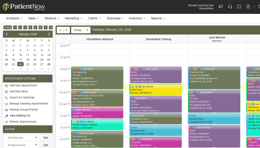
- Practice Management: Personalized shared staff calendars, visual dashboards, digital to-do lists, secure text-to-pay, and financial analytics.
- Patient Engagement: Connect through intuitive online forms, automated reminders, and membership programs that enhance patient experience.
- Advanced Photography: Capture, edit, and annotate images using the integrated RxPhoto app.
Pros
- Comprehensive, all-in-one system.
- Cloud-based access.
- AI integration for marketing automation.
- Enterprise-grade security and compliance
- Strong growth and revenue-driving tools
Cons
- Requires training to attain proficiency
Pricing
PatientNow offers two packages: one for med spas & wellness practices, and another for plastic and dermatology practices. Both require you to schedule a demo to receive a custom quote.
2. Nextech
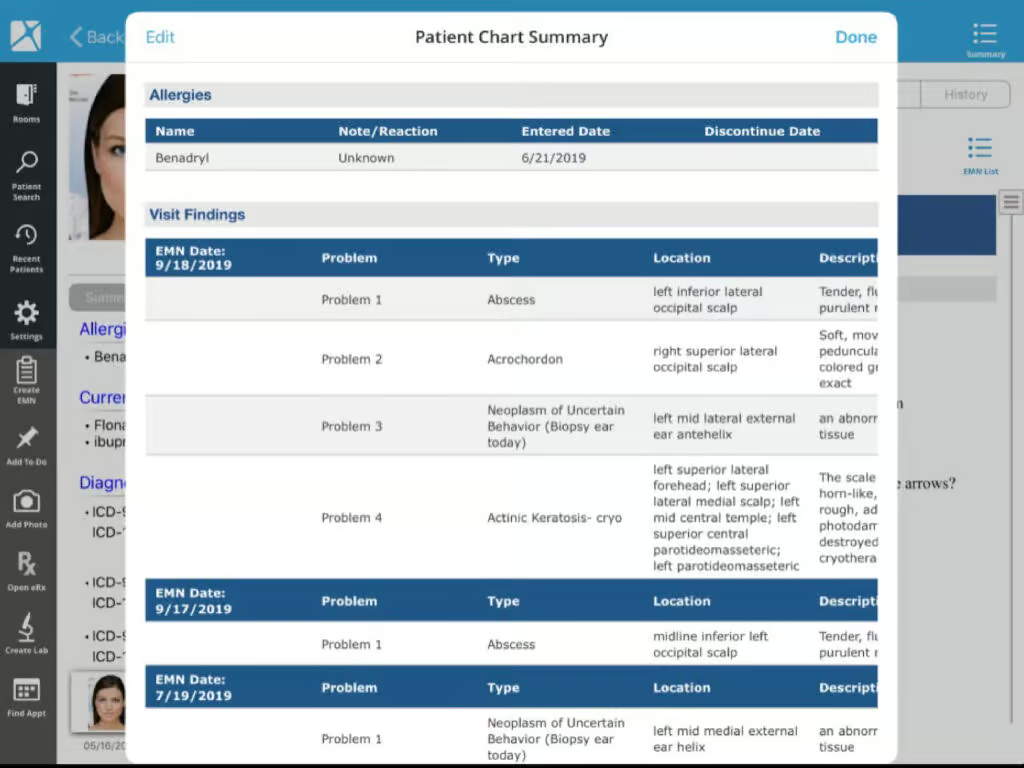
Nextech is a cloud-based EHR platform for specialty practices, including dermatology, med spa, ophthalmology, orthopaedics, and plastic surgery. It ensures a smooth flow of information from the first client contact to point-of-sale, documentation, and billing.
Key Features
- Specialty-Specific EHR Templates: Patient record documentation templates tailored to each practice.
- Upsell Support: Recommendations from the appointment are automatically sent to the checkout desk to encourage natural upselling.
- Data Insights: Easy-to-read dashboards provide actionable insights that drive business growth.
- End-to-End System: Automated workflows and prepopulated forms reduce bottlenecks and wait times.
Pros
- Growth and revenue-focused features.
- Cloud-based access aids flexibility.
- Fast onboarding.
Cons
- Some imaging features require third-party integrations.
- No published pricing.
Pricing
Nextech requires you to schedule a meeting with the vendor to receive a quote.
3. Tebra
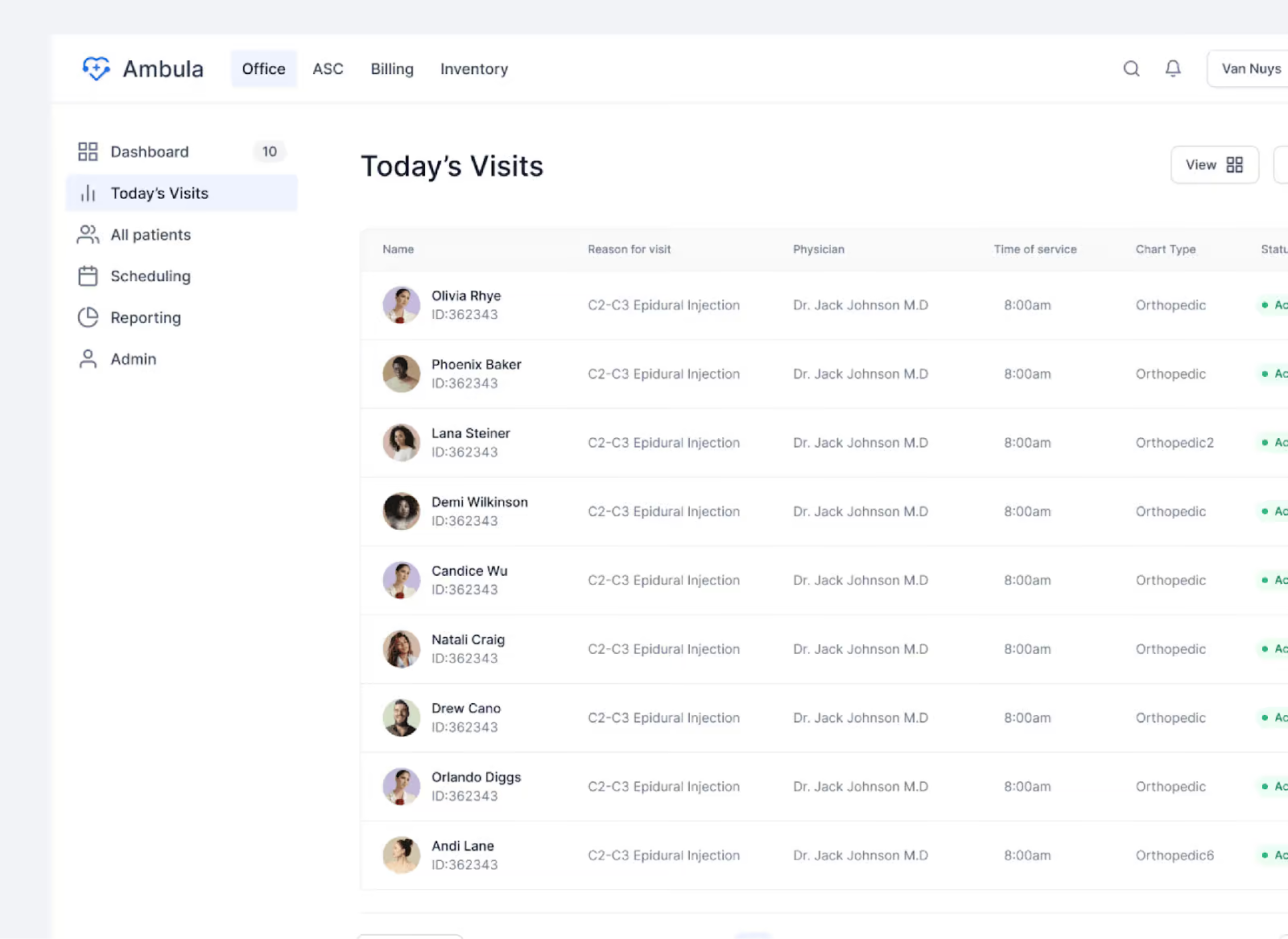
Tebra is a cloud-based electronic health records and practice management platform that emerged from the merger of Kareo EMR and PatientPop. It offers core billing, integrated marketing, and telehealth tools that support growth.
Key Features
- Patient-Centric Management Solution: 24/7 online scheduling, automated patient intake, and streamlined administrative tasks, which improve the patient journey.
- Marketing Tools: Offers practice websites and social media advertising to enhance digital visibility.
- Analytics & Reporting: Built-in analytics and reporting tools for actionable performance insights.
- Electronic Health Records: E-prescribing, e-lab ordering, billing integration, customizable note-taking templates, patient history taking, and mobile access.
Pros
- Easy navigation.
- Available on the App Store.
- Actionable insights and analytics.
Cons
- Limited configuration options.
- Potential learning curve.
Pricing
Pricing is available upon consultation with a representative.
4. ClinicSense
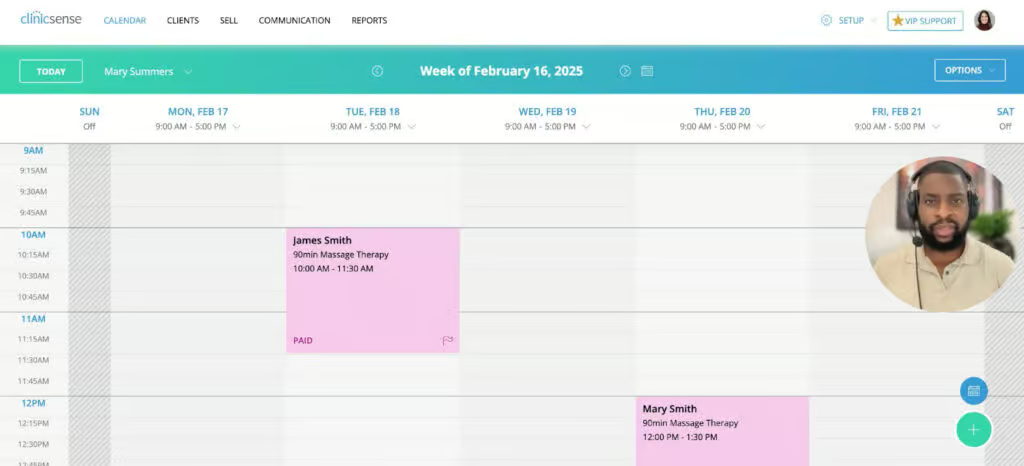
ClinicSense is a clinic management platform that offers tools for charting, scheduling, financial management, and client communication in a single system. While the services cover a range of professional businesses from acupuncturists and chiropractors to occupational therapists and osteopaths, there is also an offering tailored to med spas.
Key Features
- Charting: Customizable client charts, SOAP note templates, and flexible client documentation.
- Smart Online Booking: Patients automatically receive their intake forms and appointment reminders.
- Digital Storage: Store all client information, treatment history, and payment information in one place.
- Invoices & Financial Reporting: Manage your clinic's finances with detailed reports and integrated payments.
Pros
- Custom treatment notes.
- Easy-to-use reporting tools.
- Comprehensive customer support, including video tutorials.
Cons
- Offers only basic client management features.
- Limited marketing automation features.
Pricing
ClinicSense offers three pricing tiers based on feature sets and user count: Lite at $39 per month, Standard at $69, and Premium at $99.
5. AdvancedMD
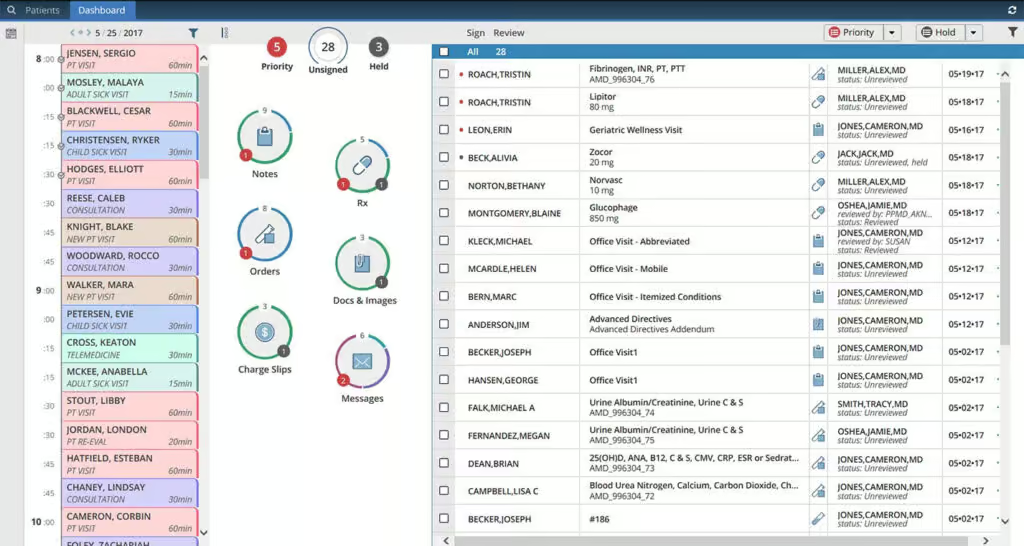
AdvancedMD is a medical office management software built to streamline clinical and financial workflows. Its AI-driven ambient listening capabilities reduce administrative burden so you can focus on patient outcomes.
Key Features
- Practice Management: Streamline scheduling, automate reminders, email patient check-ins, and communicate via the patient portal.
- Medical Billing & Coding: Send out bill claims on time and easily sort codes, speeding up payments and managing your revenue cycle.
- Shared Database: Store all relevant demographics, insurance, and EHR information.
- Patient Monitoring: Proprietary tool, HealthWatcher, to assess risk and offer recommendations based on patient chart information.
Pros
- Automated EHR entries.
- Strong billing tools.
- Quick support responses.
Cons
- Glitches and downtimes.
- Limited administrative freedom.
Pricing
Advanced MD offers custom pricing and a free medical billing audit upon consultation.
6. Praxis
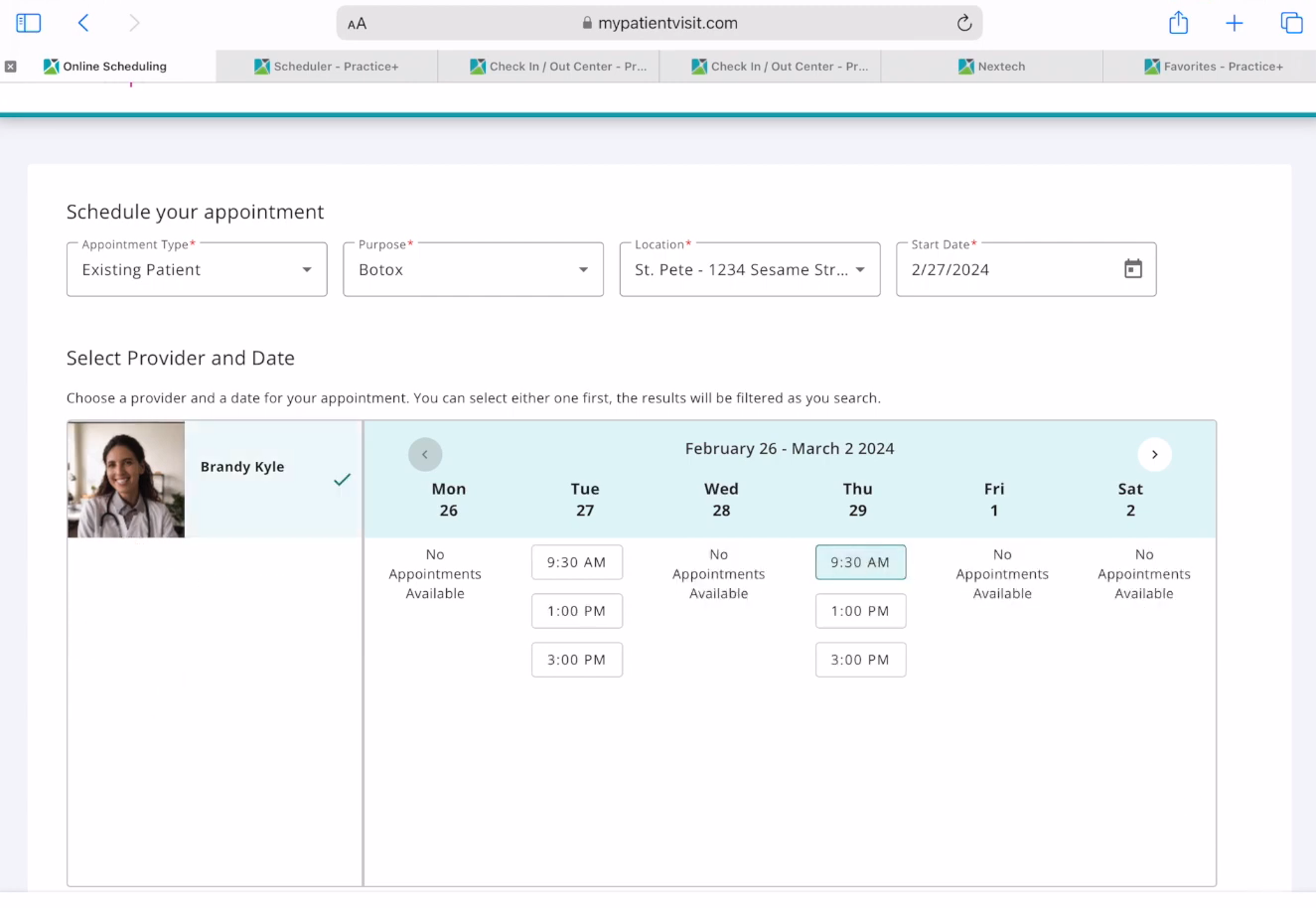
Praxis EMR is an AI-based, template-free system that adapts to the provider's workflow. It is ideal for small and mid-sized medical practices seeking flexible charting.
Key Features
- E-Prescribing: Send prescriptions to pharmacies electronically.
- Patient Records Management: Maintain billing, scheduling, and treatment records efficiently.
- AI-Driven Charting: An intelligent charting system which adapts to user behaviour for faster documentation.
- HIPAA Compliance: Compliant with HIPAA standards for data protection.
Pros
- Quick charting due to AI assistance.
- Easily adaptable.
- Intuitive, physician-friendly interface.
Cons
- Learning curve as the AI adapts.
- No fax integration.
Pricing
Praxis offers an ownership model at a starting price of $219 per user per month on a 60-month contract. Custom quotes and more pricing information are available upon request.
7. Symplast
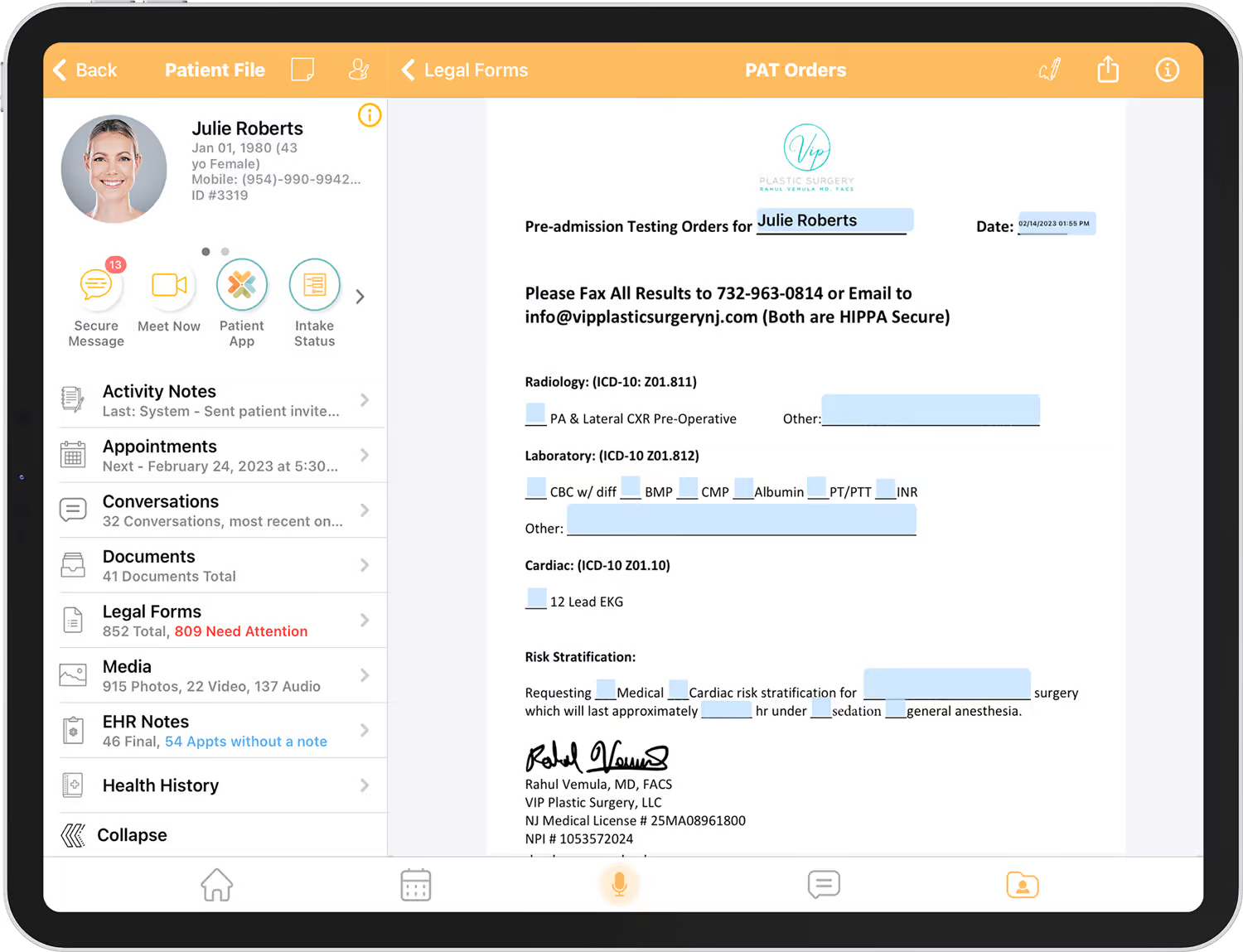
Symplast is a mobile EHR and practice management solution for medical spas and plastic surgery practices. Its comprehensive EHR suite includes virtual consultations, digital intakes, inventory management, e-prescriptions, and patient engagement tools.
Key Features
- Electronic Health Record: Lightweight, actionable charting and voice dictations.
- Practice Management: Online appointment requests, a new patient intake portal, and HIPAA- secure reminders.
- Patient App: Real-time, two-way patient communication and media sharing.
- Marketing Analytics: Track leads and performance with the Advanced KPI Analytical Dashboard.
Pros
- User-friendly interface.
- Future-forward platform.
- Efficient media management.
Cons
- Frequent micro-updates.
- Difficulty with getting timely support.
Pricing
Symplast EHR software's price starts at $300/user/month, depending on the practice's size and requirements
8. ModMed
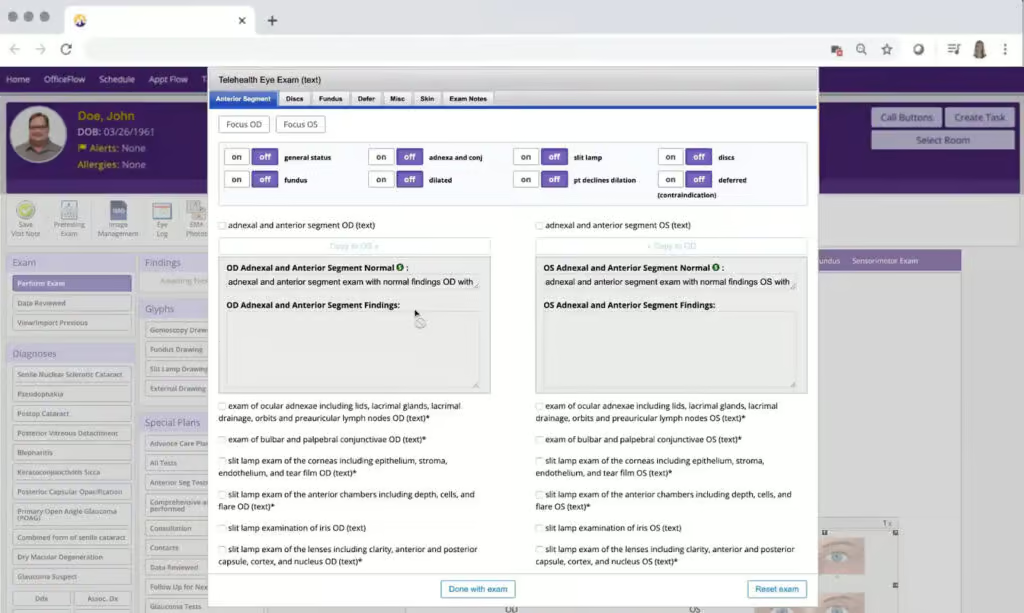
ModMed (Modernizing Medicine) is a cloud-based EHR platform created by physicians for specialty practices. With its AI-powered ambient listening feature, it remembers physician preferences and integrates seamlessly across clinical operations. It is accessible on smartphones, tablets, and desktops.
Key Features
- Revenue Cycle Management: Built‑in billing, claims, and payment tracking.
- Patient Engagement Tools: Patient portal access, appointment reminders, and telehealth integration.
- Inventory Management: Track and manage practice inventory efficiently.
- Mobile Support: Touch-optimized for tablets and smartphones, allowing charting from anywhere, anytime.
Pros
- Easy to use.
- Excellent customer service.
- Strong integration capabilities.
Cons
- Mobile features are restricted.
- Monthly integration fees.
Pricing
Pricing is available upon request.
9. EHR Your Way
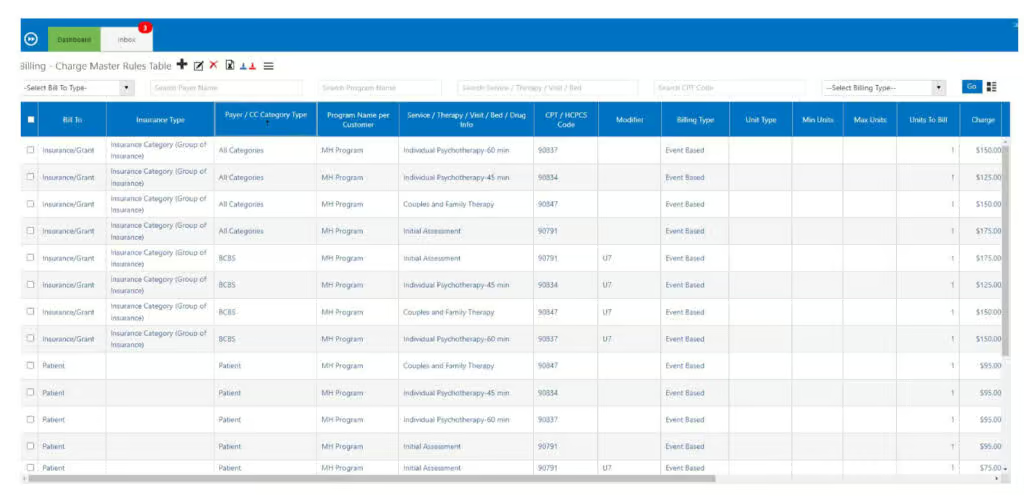
EHR Your Way is a clinician-designed electronic health record software with enterprise-level scheduling features, digital patient intake, and a chargemaster for billing management. It primarily serves mental health practices, hospitals, and substance abuse treatment centres.
Key Features
- Appointment Scheduling: Schedule recurring sessions, review provider schedules, and automate patient reminders.
- Treatment Planning: Document patient data and clinical details for personalized treatment planning.
- Customizable Therapy Notes: Create electronic notes with drop-down fields and auto-save functionality.
- Patient Portal: Intake forms, payments, scheduling, messaging, and access to educational materials.
Pros
- Flexible, user-friendly design.
- Intuitive patient portal.
Cons
- Narrow range of clinical practices supported.
- Occasional navigational challenges.
Pricing
The starting price is $800 per user per month.
10. 4D EMR
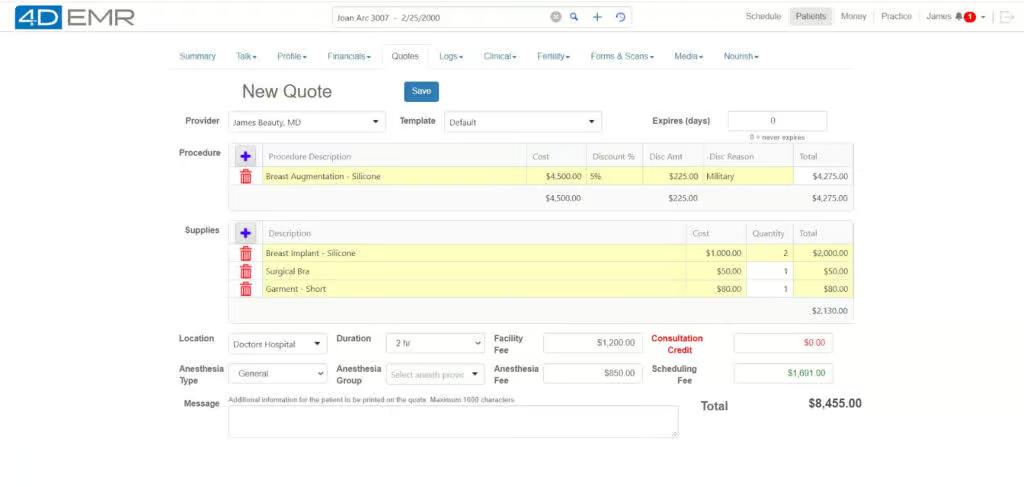
4D (4th Dimension) EMR is an electronic medical records (EMR) system designed for aesthetic practices, such as medical spas, dermatology practices, and cosmetic surgery practices. Its primary features include photo storage, charting, patient management, and telehealth.
Key Features
- Telehealth: Built-in secure video consultations with patients.
- Patient Information Dashboard: Centralized view of patient messages, appointments, bills, and marketing data.
- Charting: Offers over a hundred templates and voice dictation via third-party apps.
- Patient Transactions: Supports fast checkouts, email receipts, and prepayments.
Pros
- Free data migration.
- Integrated speech dictation.
Cons
- No marketing automation.
- Some features require additional training.
Pricing
4D EMR offers a starting price of $650 per month, customizable based on practice needs.
Switching from Moxie: How PatientNow Helps
“Modernizing outdated systems can decrease business costs by 13% and increase annual revenue by 14%.”
PatientNow is one of the best Moxie alternatives for established practices whose EMR systems can't keep up with the demands of modern med spa operations.
In one case study, dermatologist Heidi Gilchrist noted that PatientNow delivered top-tier EHR functionality at roughly two-thirds the cost, while streamlining billing and reconciliation.
If you're looking to make the switch, here's a walk-through of the EMR migration process.
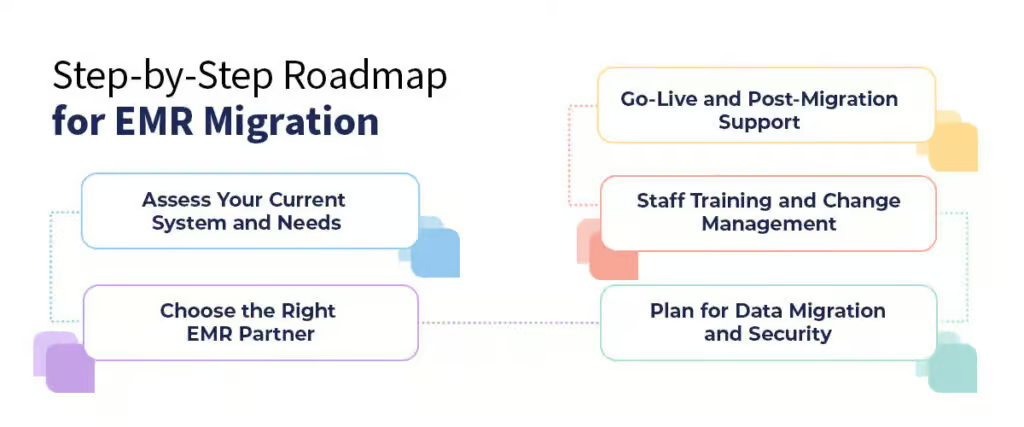
1. Assess Your Current System and Needs
Gather input from staff and providers to see what works and what needs improvement. Identify gaps with functionality or integration and define clear goals for your new EMR system.
2. Choose the Right EMR Partner
Every EMR vendor offers unique tools and services that define the practices they serve best.
For example, Moxie offers dedicated business coaching, medical director matching, and other programs that guide first-time med spa owners.
Meanwhile, PatientNow offers mature, AI-powered tech tools with tailored solutions that streamline complex clinical processes for specialised aesthetic and wellness practices.
Seek out vendors with a proven track record in the aesthetics industry, request live demos, and see how well they integrate with your existing systems.
3. Plan for Data Migration and Security
Work with your new EMR partner to plan the transfer of patient records and financial data. Data migration processes must comply with HIPAA and SOC 2 Type 2 standards to protect patient information.
4. Train Staff and Manage Change
Schedule training sessions for users across different roles. Ensure staff can access learning resources, such as tutorials and live support, when needed.
5. Launch and Explore Post-Migration Support
Launch your EMR system during a low-volume period to minimise disruption to patient care and daily operations. Monitor user feedback and request your vendor's support on any performance issues.
Final Thoughts
The rise of advanced digital tools for cosmetic practice management promises more efficient operations. Yet choosing the right platform is tricky, as each has its strengths and limitations.
To help you navigate the many options available, this article reviews the best Moxie alternatives and their key features. The goal is to choose a solution that meets your practice's current needs and has the flexibility to support future goals.
Among these solutions, PatientNow stands out for its cosmetic practice-specific capabilities; prioritising patient engagement through AI-driven tools that strengthen patient connections and streamline operations.Visit our website to schedule a demo today.
Explore this post
Book a demo to see PatientNow in action