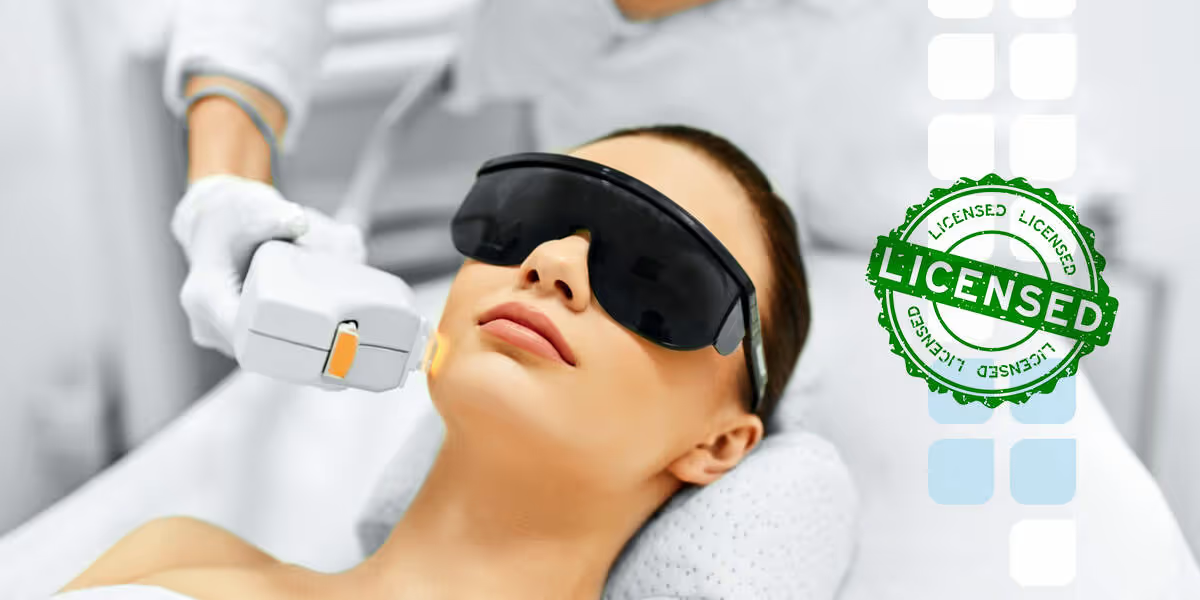
Opening a medical spa is an exciting venture. Your spa offers clients a unique blend of beauty and health services. However, before you open the doors to your dream business, you need the right licenses. Med spas operate under stricter regulations than day spas because they perform medical procedures.
Navigating med spa licenses, laws, and regulations can be daunting. We get it — you're an entrepreneur, not a lawyer! That's why we've broken down the key requirements to keep your new practice compliant.
Why Medical Spa Regulations Matter
Regulations ensure safe and legal business operations. More importantly, they safeguard client well-being. Imagine a world where anyone could perform medical treatments without proper training — scary, right? That’s why medical spa licenses and strict standards exist!
Core Elements of Medical Spa Regulations
These are the essential pillars of medical spa rules:
- Experienced practitioners: Qualified and trained medical professionals must administer every treatment. Your superteam may include registered nurses (RNs), physician assistants (PAs) and nurse practitioners (NPs).
- Licensed physician supervision: A licensed physician must oversee all medical procedures, even those they don’t perform themselves.
- Noninvasive treatments: Most medical spas focus on nonsurgical aesthetic services. Examples of noninvasive procedures include IV therapy, chemical peels, injectables and weight loss treatments.
Understanding these elements sets the stage for your success and business growth. Compliance with state and federal regulations goes beyond avoiding legal issues. It builds patient trust and creates a safe environment for everyone involved.
Med Spa Legal Requirements
While this guide covers general information about med spa regulations, consulting an experienced legal professional is always wise. They can provide tailored advice based on your specific situation and location.
State-Specific Licensing
In the U.S., only licensed physicians or physician-owned corporations can open a medical spa. But here’s where it gets interesting — these requirements can vary from one state to another.
For example, in Alabama, medical spas must be licensed by the Alabama State Board of Medical Examiners. They can only perform nonsurgical cosmetic procedures, which include:
- Laser hair removal
- Dermal fillers
- Botox injections
- Chemical peels
Florida has different rules. Medical spas can operate without a state license if they don’t accept insurance payments. However, all practitioners must be licensed medical professionals with updated certifications for the procedures they offer. Plus, the spa needs a designated medical director who is a licensed physician.
These state-specific rules show how important it is to familiarize yourself with local regulations before starting your business. You can look online for state-specific licensing boards and speak to legal experts who can guide you through the maze of rules.
Medical Director Requirements
Every medical spa needs a medical director (licensed physician) to supervise medical procedures. Here’s what to look for in a medical director:
- Valid medical license: They must hold a valid medical license in the spa's operating state.
- Medical degree: The medical director must be either a doctor of medicine (M.D.) or a doctor of osteopathic medicine (D.O.).
- Board certification: Ideally, they should be board-certified in a relevant specialty like plastic surgery or dermatology.
- Extensive experience: A proven history in the field of aesthetic medicine is essential.
- Regulatory knowledge: Your spa's medical director should know the ins and outs of state-specific medical spa regulations.
The medical director’s responsibilities include:
- Overseeing all clinical operations within the spa.
- Ensuring the safety of all procedures, like Botox, laser hair removal and fillers.
- Training the staff to maintain high standards of care to wow your clients.
- Upholding state and federal compliance measures.
- Approving treatment plans and supervising spa personnel.
Licensing for Practitioners
Each one of your superstar staff members must have the proper licenses based on their specialties and the services they offer. Let’s break down what that looks like for some typical roles.
Nurses
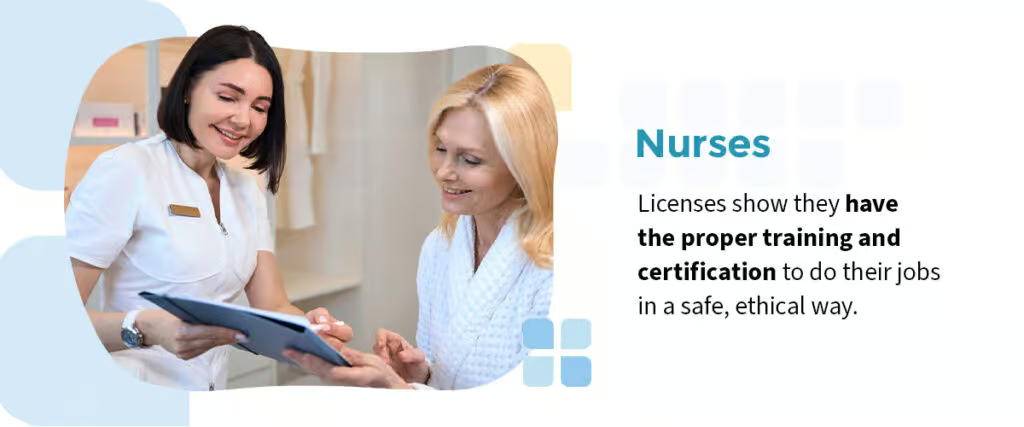
Nurses are the lifeblood of many med spas. Licenses show they have the proper training and certification to do their jobs in a safe, ethical way. Here are some of the steps a nurse must take to become licensed:
- Graduate from an accredited nursing school.
- Pass the National Council Licensure Examination for Registered Nurses (NCLEX-RN).
- Complete the application process and pass a background check.
More complex procedures, like injection administration, require an advanced practice registered nurse (APRN license). An APRN has specialized training and advanced postgraduate education.
Owning and operating a med spa can be challenging for an RN because of licensing restrictions. You might be able to work around this by partnering with a licensed physician as the spa's medical director. By holding a minority ownership stake, you can perform treatments under physician supervision. Another option is buying an established spa that already has a medical director.
Specialized Certifications for Medical Professionals
In addition to the general nursing license, some advanced procedures require specialized certifications. For example, if someone wants to perform laser hair removal or administer injectables like dermal fillers, they must get certified. Healthcare professionals specializing in these advanced cosmetic procedures include estheticians, PAs, NPs, physicians and aestheticians.
A great example is a laser technician. To become an aesthetic laser specialist, they must complete a laser therapy certification from an accredited provider. While a nursing or engineering degree isn’t necessary, hands-on cosmetic training is a must.
Having well-trained staff with the right certifications shows patients your commitment to excellence and safety. New treatments pop up every day. Ongoing training can set your practice apart in the competitive medical spa industry.
Facility Standards and Safety
A hygienic med spa is a happy med spa! Ensuring a clean, sanitized environment protects your patients, limits lawsuits and keeps the regulatory watchdogs off your back.
The National Med Spa Association (MSA) recommends the following guidelines:
- Regular cleaning: Keep all areas, including treatment rooms, waiting areas and restrooms, sparkling clean.
- Hand hygiene: If the past has taught us anything, it's the importance of handwashing! To prevent infections, encourage regular handwashing among staff and patients. Provide easy access to handwashing stations and hand sanitizer.
- Disinfectants: Use disinfectants approved by the Environmental Protection Agency (EPA) to sanitize equipment and surfaces.
- Health regulations: Follow local health regulations and Occupational Safety and Health Administration (OSHA) standards.
- Lighting and ventilation: A med spa is a calm, comforting environment. Make sure your practice is well-lit and ventilated for a comfortable atmosphere.
- Waste disposal: A stray needle or used glove can kill your client's mood. Dispose of all waste materials according to local regulations.
- Linen management: Patients love the feel of fresh, soft towels and linens. Wash them in hot water with proper disinfectants. Keep clean and used linens separate to avoid contamination.
- Emergency preparedness: Conduct regular inspections of fire extinguishers and smoke detectors. Keep emergency exits well-marked and obstruction-free.
- First aid kits: Boo-boos happen at the workplace. First aid kits should be easy to access and fully stocked.
- Staff training: Your staff are your greatest asset. Train them on sanitation, safety procedures, infection control and emergency response protocols.
HIPAA Compliance
Let’s not forget about compliance with the Health Insurance Portability and Accountability Act (HIPAA). Medical spas have a duty to protect patient information. Here’s what that looks like:
- HIPAA compliance officer: Your compliance officer guards your protected health information (PHI).
- Data security: Be very selective about who can access your PHI. Security measures like multi-factor authentication ensure only the right people can access information. If you use paper files, keep them locked up tighter than Fort Knox.
- Patient consent: Before disclosing any patient information, ensure you have their permission and knowledge. The same applies to getting consent before using a patient's photos for marketing or advertising.
- Staff training: Your staff should know HIPAA protocols like the back of their hand. Train them on any developments so that they stay up to date.
- Risk assessments: Regular risk assessments can pinpoint potential threats before they become more serious.
Staying HIPAA-compliant safeguards sensitive information and builds trust. Clients need to feel confident that their personal information is safe with you. Work with a legal professional to help you draft privacy policies on everything from before-and-after photos to emails.

Schedule a Demo With PatientNow Today
Are you inspired to start a med spa? Remember to consult legal experts and familiarize yourself with your state's relevant qualifications. At PatientNow, we’re here to support you every step of the way! We designed our HIPAA-compliant, all-inclusive medical spa software to streamline tasks like managing appointments, securing patient records and much more.
Learn how our med spa management software can simplify your life. Reach out to request a free demo from our experts today.
Explore this post
Book a demo to see PatientNow in action